Part 2
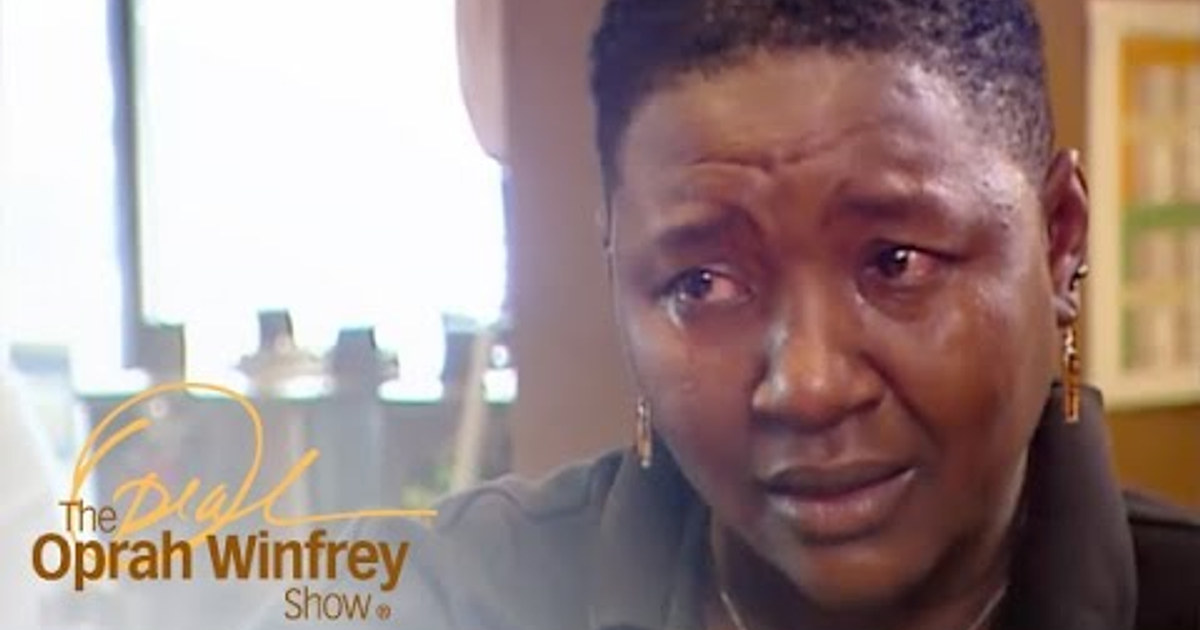
At this point, Bernadette is already weeping, overwhelmed by the sheer volume of material goods. The audience is roaring, believing the transaction is complete. And that is precisely when Oprah poses the rhetorical trap: 'But how will Bernadette fit all that new furniture into her cramped quarters?' The question hangs in the air for half a beat. The psychological pivot is breathtaking. The appliances weren't the prize; the appliances were the breadcrumbs. 'We are buying you a house.' The release of tension here is tectonic—decibels of studio screaming that push the audio mixing boards into distortion.
[[AD]]
Stop 4: Nate Berkus and the Architecture of Hope
Here, at the fourth stop on our tour, we examine the raw material of transformation. Most people remember the finished, sunlit spaces of a television makeover. But look closely at the archival tape of Nate Berkus standing on the threshold of this newly purchased property after six exhausting months of house hunting. What did they actually buy?
They bought a glorious, complicated, deeply flawed fixer-upper. Nate walks through the rooms with a designer's trained eye, acknowledging the grit behind the magic. On the top floor, where the kids' rooms must go, he points out punishing architectural challenges—strange eaves, cramped layouts, awkward angles. He stops outside an unrestored bathroom and says plainly: 'Even old charming homes have areas that aren't so charming, and this is a perfect example. Scary. Bernadette, you deserve much, much better.'
Notice his tour of the basement: dark, oppressive 1970s wood paneling that must be gutted and illuminated. Outside, an overgrown, unpaved yard awaits a complete reimagining. Why show all of this unvarnished decay? Because it honors the labor of true restoration. A brand-new McMansion dropped in a sterile suburb would have lacked soul; taking an aging, historic home with 'good bones' and overhauling it for twelve children mirrors Bernadette's own life project—taking fractured lives and giving them a sturdy foundation.
[[AD]]
[[VIDEO]]
Stop 5: The Civic Power of the 2000s Syndication Machine
Our final station before we conclude requires us to step back and look at the broader cultural horizon of the era. Could a moment like this exist on contemporary television? In today’s fractured digital landscape, philanthropy is fragmented into TikTok stunts, algorithmic donation drives, and hyper-cynical engagement farming. But in the mid-2000s, *The Oprah Winfrey Show* operated as a bizarre, unilateral court of ultimate appeals.
What are we actually witnessing when a daytime host purchases a multi-family property for a Starbucks employee? On one hand, it highlights the staggering gaps in the American social safety net, where an extraordinary citizen had to shoulder twelve lives alone until a syndicated television program stepped in. On the other hand, it demonstrates the peerless cultural capital of Oprah Winfrey at the height of her influence—someone capable of marshaling national retailers, real estate networks, and elite designers overnight to alter a family's generational trajectory.
There was no irony in this broadcast. No knowing wink at the camera, no cynicism about brand integration. It operated on a shameless, overwhelming belief that goodness ought to be rewarded with structural permanence. For Bernadette Robinson, that meant an address where her family could sleep safely, each in their own bed, sheltered under a roof that no landlord or hardship could take away.
[[AD]]
And now, go back and watch the opening again.
Look at that Starbucks counter one more time with this full trajectory held firmly in your mind. See the steam rising from the machine. Look at the apron tied around Bernadette's waist. She does not know yet that six months of house hunting, Nate Berkus with a sledgehammer, Sears delivery trucks, and a master deed with her name on it are already racing toward her life at full speed. When you watch that opening knowing what awaits her, it is no longer just a vintage celebrity ambush. It is the exact moment an ordinary woman's heaviest burden is permanently lifted from her shoulders.


