Part 3
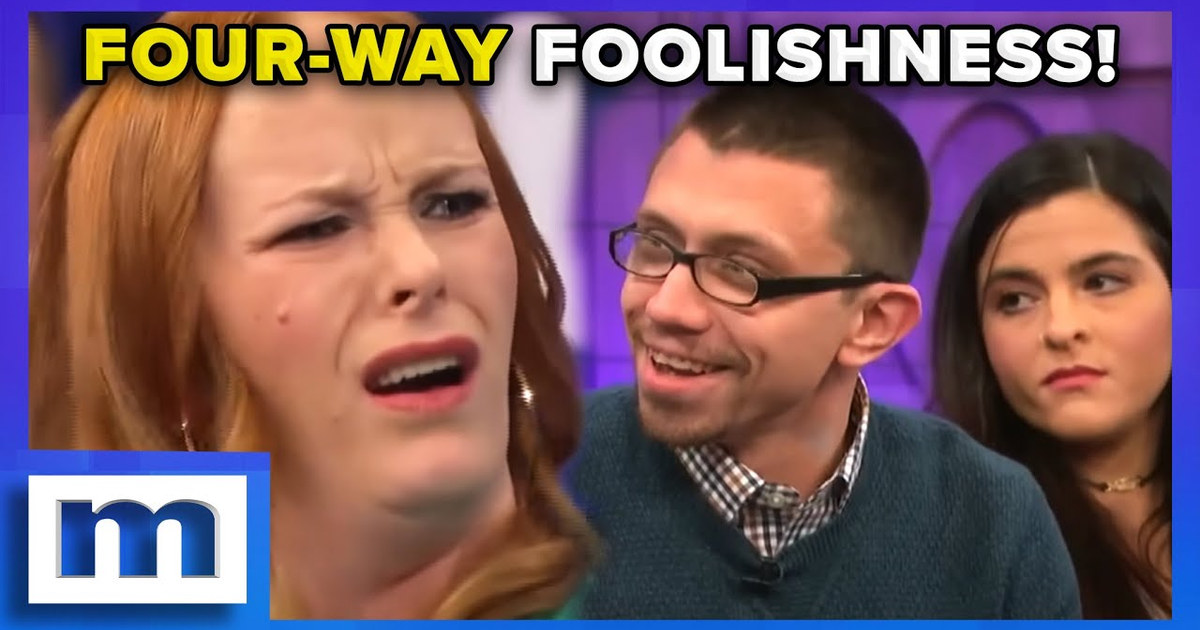
The lie detector test is where the technical language gets interesting. The polygraph is a prop, but it's shot like a character. The camera zooms in on the results envelope. The lighting on the envelope is a hard, narrow spot. It's the only time the show uses a hard light. That's a deliberate choice to make the envelope feel like a verdict. In narrative film, you'd see this in a courtroom drama—think A Few Good Men (1992, 138 min, Columbia Pictures), where Rob Reiner and DP Robert Richardson use hard light on the evidence to make it feel like a weapon. Here, the envelope is the weapon. The hard spot isolates it from the warm, soft key that bathes the rest of the set. It's a visual cue: this is the moment of truth.
And that's what makes Roxy's accusations so effective. The show doesn't just tell you she's making a claim. It shows you Joanna's eye roll, Brian's confusion, and the envelope waiting in the wings. It builds suspense through reaction shots and split-screen duels, all while keeping the camera locked down. The chaos is in the content, not the camera. That's the second-unit lesson: shoot the listener, cut on the reaction, and light the verdict like it's a character.
[[AD]]
So next time you watch a reality show and feel your pulse quicken, check the cuts. Are they on the speaker or the listener? Are they using a split-screen to put you in the ring? Are they hitting the evidence with a hard spot? Maury does all three. That's why it works.
The Reveal: Jason's Entrance and the DNA Test as Third-Act Payoff
Jason walks out. He’s wearing a dark t-shirt, arms crossed, jaw tight. He stops center stage and says, “10 years. You think I’m the father?” The camera holds on Brian’s face. Brian looks at Jason, then at Joanna. Then back at Jason. No cut. No reaction shot. Just Brian, processing. That’s the moment the episode earns its third act. And it’s shot like a soap opera—because it is one.
The reveal is shot with a slow push-in on Brian. The camera operator is probably using a pedestal or a dolly. The move is smooth, almost imperceptible. It’s the same move used in daytime dramas when a character gets bad news—think All My Children or General Hospital in the ’80s, when the camera would creep in on Susan Lucci’s face as she learned yet another husband had betrayed her. Here, the push-in starts wide, showing Brian flanked by Joanna and Jason. By the time Maury says the results, the frame is tight on Brian’s eyes. The lens is a longer focal length, maybe 55mm, which compresses the background and isolates Brian. The audience behind him goes soft, then blurry. He’s alone in the frame, even though he’s surrounded.
The lighting does the rest. The reveal is lit with a single key light from the front, slightly above. The fill is minimal. This creates a slight shadow under Brian’s eyes, making him look tired, vulnerable. The background is dark. The audience is in silhouette. This is the lighting of a theater, not a studio. It’s the same approach used in 12 Angry Men (1957, dir. Sidney Lumet, 96 min)—one key, hard shadows, faces carved out of darkness. On Maury, it’s not about guilt or innocence. It’s about the verdict. And the verdict is coming.
Then Maury reads the DNA results: “Brian, you are the father. Jason, you are not the father.” The audience erupts. Applause mixed with gasps. The camera cuts to the audience. They’re lit with a warm wash, almost like a church congregation. The audience is a character in the scene. Their reaction is part of the story. In a film, you’d call this a Greek chorus. Here, it’s a jury. And they’ve just delivered the verdict.
But the DNA test isn’t the only payoff. There’s the lie detector test. Joanna is asked, “Have you ever had any type of sexual contact with Jason?” She says no. The lie detector determines that is the truth. The camera cuts to Roxy, who looks defeated. The lighting on Roxy is now flatter, less contrast. She’s no longer the antagonist; she’s just wrong. It’s a subtle shift, but it’s there. In the beginning, Roxy was lit with hard shadows, high contrast—the lighting of a villain. Now, she’s lit like everyone else. The story has moved on. She’s irrelevant.
This is the same visual language Maury has been using for decades. The 2019 episode with “You are not the father” became a meme. The camera push-in, the audience reaction, the host’s deadpan delivery—it’s all part of the formula. But it’s a formula that works because it’s shot and cut with precision. The show has been doing this for over 30 years. It’s not accidental. It’s second-unit storytelling at its finest.
Compare it to other daytime talk shows. Jerry Springer’s chaos was handheld, shaky, deliberately messy. Maury’s is controlled. The camera moves are smooth. The lighting is deliberate. The blocking keeps Maury in the center, but the guests on the edges. That’s not an accident. It’s a visual hierarchy. Maury is the judge. The guests are the defendants. The audience is the jury. And the camera is the bailiff, making sure everyone stays in line.
Next time you watch Maury, watch the camera. Watch how it cuts on the reaction, not the line. Watch how the lighting changes when the verdict is read. Watch how the blocking keeps the host in the center, but the guests on the edges. That’s second-unit storytelling at its finest. And it’s been hiding in plain sight for over 30 years.
In the next article, we’ll break down the cinematography of The Jerry Springer Show—and why its handheld chaos was actually a deliberate aesthetic choice.


