Part 1
The Genre Fan and the Craft Nerd Walk Into a Studio
There are two kinds of people who watch Maury. The first is the genre fan — the one who came for the cheating scandal, the chair-throwing, the paternity reveals, the nicknames that sound like they were generated by a random insult bot. The second is the craft nerd — the one who watches the same episode and sees a masterclass in pacing, editing, and narrative construction. This article is for both of you. Neither is wrong. In fact, the best episodes of Maury are engineered to satisfy both at once, like a well-designed API that serves a flashy frontend and a rock-solid backend.
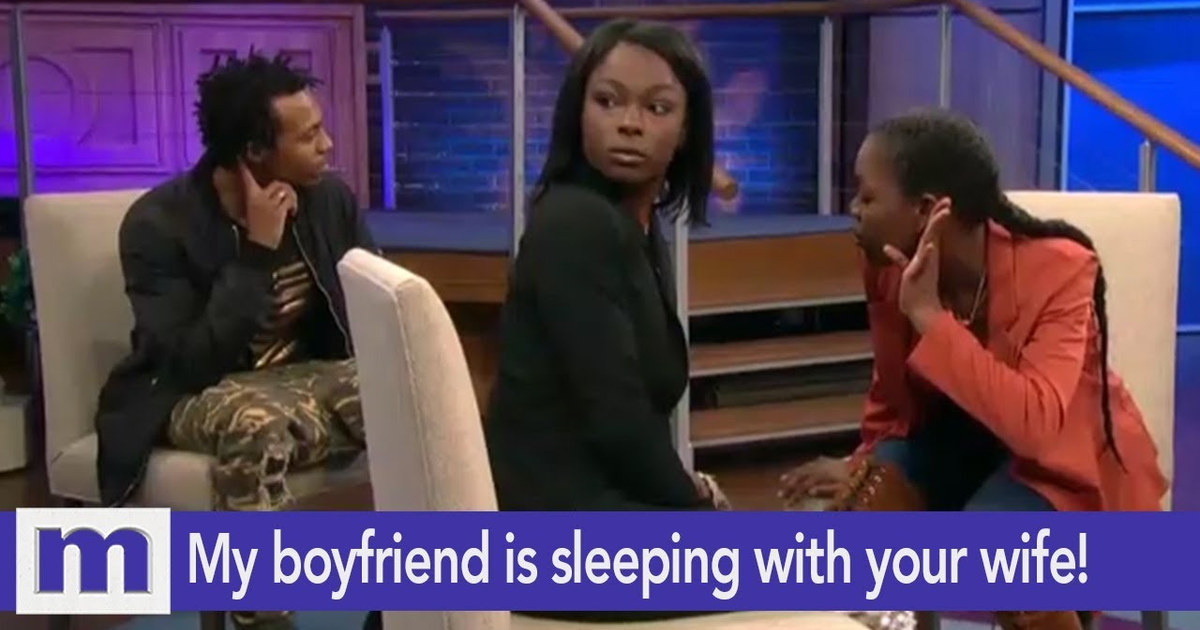
Take the episode we're about to dissect. It's a classic four-person configuration: Alexis, her boyfriend of five years, Trey; her best friend, Ciara; and Ciara's husband, Marquis. The four of them did everything together — ate out, bowled, played pool, hit the club. Then, according to Alexis, Trey and Ciara started coupling up on their own. Now Alexis and Marquis are convinced their respective partners are having an affair. The hook? Ciara calls Trey "Boomerang." That's not a pet name. As the show explains, "Boomerang" means one thing: you have a big penis. The audience erupts. The genre fan leans in. The craft nerd makes a mental note about how quickly the show establishes stakes.
Hosted by Maury Povich, Maury has been a daytime staple since 1991. The lie detector is a recurring segment, a narrative device as reliable as a for-loop. But the show's longevity isn't just about scandal — it's about structure. Every episode follows a rhythm: accusation, denial, evidence, test, reveal. It's a five-act play compressed into 42 minutes of syndicated television. The genre fan gets the drama. The craft nerd gets the architecture. And both get the same payoff: the moment the polygraph results drop and the studio audience loses its collective mind.
So let's alternate. We'll look at the genre pleasures — the accusations, the nicknames, the audience reactions — and then we'll zoom out and examine the craft: pacing, editing, narrative construction. Think of it as pair programming with a true-crime twist. One of us is typing the drama. The other is reviewing the code. Both are necessary. Both are welcome.
First, the genre fan's entry point: the accusation itself. Alexis says she and Trey were best friends with Ciara and Marquis. They had keys to each other's houses. They went to laser tag. They were a foursome. Then, one day, Trey and Ciara started going out without Alexis and Marquis. "We was all supposed to go out as a couple," Alexis says. "Brought me my keys, ended up having the work, so it was all canceled. All of a sudden, Trey and Ciara are up at the pool hall together having fun." Marquis starts calling Alexis at odd hours. "You better leave right now," he tells her. The suspicion is mutual. The genre fan nods. This is the setup. This is the inciting incident. This is where the story kicks into gear.
The craft nerd, meanwhile, notices how the show uses Marquis as a secondary narrator. He's not just a wronged husband; he's a source of corroboration. His phone calls to Alexis establish a timeline. His suspicion mirrors hers. The editing cuts between their testimonies, creating a sense of inevitability. By the time Maury says, "Obviously, in order to get to the bottom of all this, we had to give Trey and Ciara both lie-detector tests," the audience is already primed. The genre fan is here for the confrontation. The craft nerd is here for the build.
Now, the nickname. "Boomerang." Ciara calls Trey "Boomerang." Alexis claims it's a sexual nickname, a reference to the size of Trey's anatomy. Trey denies it. He says it's a childhood nickname. The audience laughs. The genre fan eats it up. But the craft nerd sees a masterstroke of character branding. "Boomerang" is a label that sticks. It's memorable. It's absurd. It's the kind of detail that makes a reality TV segment go viral. It's also a narrative clue — a piece of evidence that the show will return to during the lie detector segment. Chekhov's gun, but make it a penis joke.
The show doesn't just present this nickname; it repeats it. Maury asks Ciara directly: "Why do you call him Boomerang?" Ciara dodges. The audience applauds. The genre fan is delighted. The craft nerd notes the repetition — a classic technique to reinforce a motif. By the time the lie detector test asks, "Did you nickname Trey 'Boomerang' for a sexual reason?" the audience is fully invested. The question isn't just about the nickname; it's about the entire relationship. The genre fan wants the answer. The craft nerd appreciates the setup.
Let's talk about the evidence montage. Alexis claims Trey is never where he's supposed to be. He claims he's at work, but his phone activity tells a different story. "He got a 30-minute break into 15-minute lunches, phone did the whole time," Alexis says. She mentions a Facebook message to a cousin. Trey says his friend used his Facebook. Alexis isn't buying it. "Your friend got his own Facebook. You can make your own Facebook." The audience applauds. The genre fan loves the pettiness. The craft nerd loves the specificity. This isn't vague suspicion; it's a detailed accusation with timestamps and platform references. It's the kind of evidence that makes a lie detector test feel necessary.


