Part 4
And that's the real lesson of this stop. The sparkle is real. The sequins are real. The charm is real. But underneath all of it is a woman who has spent five decades sitting in a quiet room, working things out on paper. The songs are the evidence. "9 to 5" is the evidence. "Islands in the Stream" is the evidence. "Coat of Many Colors" is the evidence. Thousands of songs. One doctor. One gift.
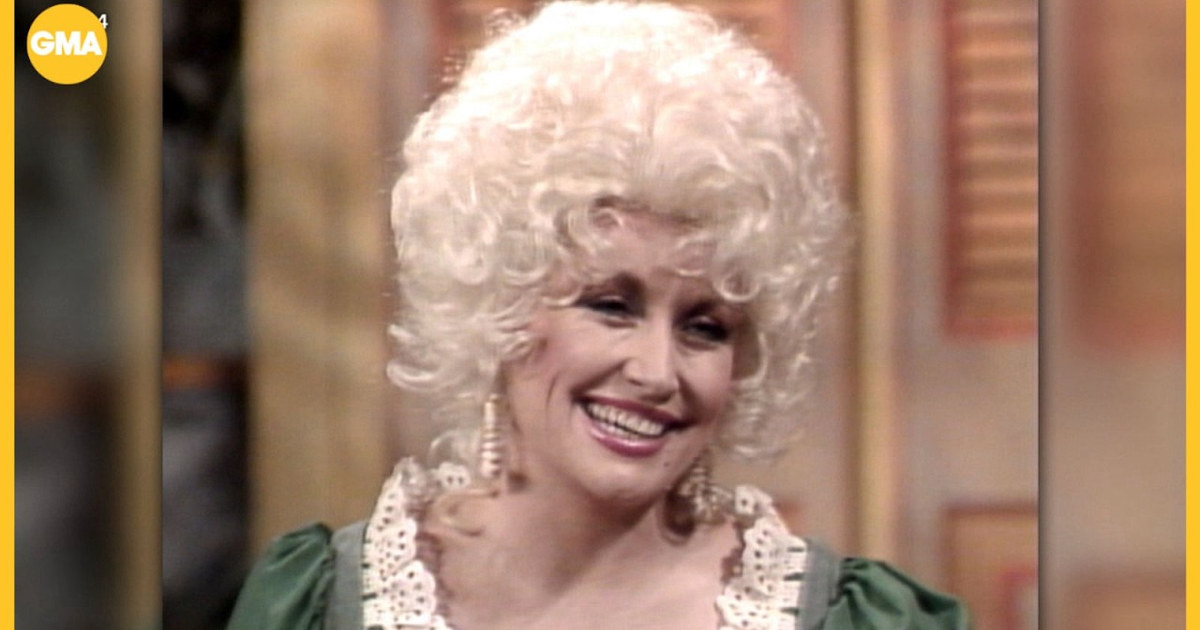
So when you go back and watch that 1980 GMA clip of her singing "9 to 5," remember what you're actually seeing. You're not just seeing a movie star promoting a film. You're seeing a songwriter who has already written thousands of songs, who will write thousands more, and who is about to turn a workplace complaint into a singalong that people will still be shouting fifty years later. That's not luck. That's a practice.
Next stop on the tour: from the song to the mountain. We're leaving the doctor's office and heading to Dollywood. The fantasy park, the rock leap, and the tombstone joke that tells you everything about how Dolly Parton wants to be remembered. You won't want to miss it.
Stop Three: The Mountain Fantasy, the Rock Leap, and the Tombstone Joke
Now walk with me to the third stop on this tour. It’s the one where Dolly Parton stops talking about songs and starts talking about land. Specifically, a patch of East Tennessee dirt near the Great Smoky Mountains — the most visited national park in the United States. She sat down with David Hartman and laid out a dream so specific it sounded like a pitch meeting: a fantasy park, a mountain fantasy, “like Disneyland with a mountain theme.” She called it Dollywood, USA. Not a brand extension. Not a licensing deal. A place to take something back home.
You have to hear the way she says it. There’s no hedge in her voice. She’s not asking permission. She’s announcing a fact about the future. And the archive shows she wasn’t kidding. Over the years, GMA got the all-access pass. Cameras rolled through the gates. She stood in front of crowds and said, “I’m proud of my people who’ve always been proud of me.” That line is the whole engine of Dollywood. It’s not a monument to Dolly. It’s a monument to the people who made her possible. She built a mountain because the mountain built her.
Fast-forward to 2021. The park reopens after the pandemic. She tells GMA she can feel a new energy, a new excitement. “Just feeling like I could come home and say, ‘Hey, everybody.’” That’s not a press release. That’s a woman who knows the difference between a property and a home. The park is the home. The cameras are the front porch. And she’s inviting us back onto it.
But here’s the thing about Dollywood. It’s the biggest swing of her business life, and it worked. It’s still working. It’s a real place with real roller coasters and real funnel cakes, and it exists because one woman from Sevier County refused to let her hometown be a footnote. That’s the mountain fantasy. Now watch what happens when she takes that same energy and points it at a genre she’d never touched.
In 2023, she sits down with GMA to talk about a rock album. The question is simple: was there any trepidation about taking on something different? Her answer is pure Dolly. “You know, I would have if I’d been younger, but at my age, I’m afraid of anymore. I’m scared sometimes. Of course, everybody is. I’m not made of stone.” Read that again. She’s not saying she’s fearless. She’s saying the fear didn’t stop her. That’s the leap. She’s 77 years old, she’s already a country legend, a pop crossover, a movie star, a theme park mogul, and she decides to make a rock record. Why? Because the archive shows she’s been swinging since the 1980s. The mountain was a swing. The rock album is a swing. The only difference is the soundtrack.
And then, in 2024, she makes her final GMA appearance with her younger sister Rachel. They’re there for a cookbook. Not a rock opera. Not a theme park expansion. A cookbook. Dolly explains why they wanted to share family recipes: “We love to cook, we love to eat, and of course we grew up with all these wonderful Southern women cooking all this great food.” That’s the domestic counterweight. After the mountain and the rock record, she comes back to the kitchen table. The woman who built a fantasy park and covered “Stairway to Heaven” also wants you to know how to make her mama’s dumplings.
Now here’s the moment that ties the whole stop together. The interviewer asks the tombstone question. What do you want it to say? Dolly doesn’t miss a beat. “She should be lying here. I don’t know where she went.” The transcript notes she was always on the go. That’s the punchline and the thesis. The woman who couldn’t sit still built a mountain, a rock record, and a cookbook. She didn’t just visit the Smokies. She put a theme park on them. She didn’t just sing country. She took a rock leap at an age when most people are slowing down. She didn’t just write a memoir. She wrote a cookbook with her sister. The tombstone joke isn’t a joke. It’s a mission statement. She’s not lying here because she’s already gone — to the next project, the next stage, the next morning show.
And that’s why the tour ends by sending you back to the opening again. The first clip — the 1980 appearance, the acoustic “9 to 5,” the shoes that couldn’t sing without shine — now reads differently. You thought it was a young star promoting a movie. It was actually the first swing of a five-decade batting practice. The mountain fantasy, the rock leap, and the tombstone joke are all in that first frame. You just didn’t know it yet. So go back. Watch the opening again. You’ll see the whole tour in a single verse.


