Part 3
That visual degradation isn’t a bug. It’s the tell. The second the network’s cameras stop rolling, the subject regains control of his own image — and that image is deliberately low-fi. It says: I’m not your subject anymore. I’m a survivor.
In cinematography, we talk about “loss of resolution” as a bad thing. But here, the drop from MTV’s broadcast-quality package to a shaky selfie is a narrative shift. The show framed Danny as a mystery to be solved. The update reframes him as a person who solved himself. The camera no longer hunts. It witnesses.
The Timeline That Rewrites the Story
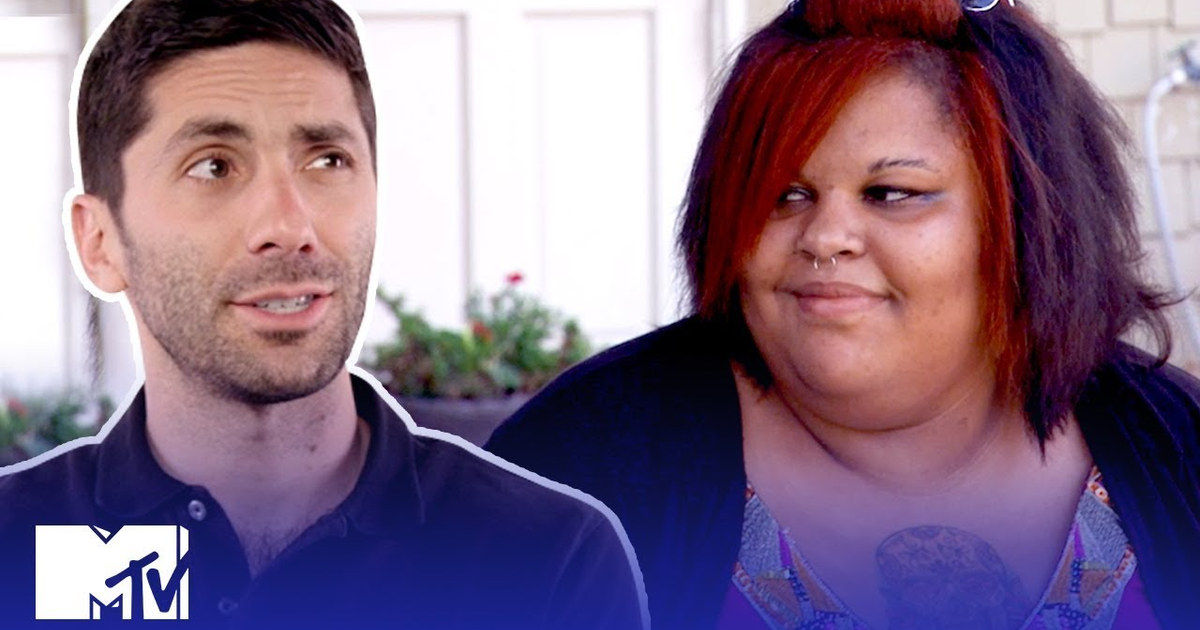
Let’s talk dates, because they matter more than any lens. “Kya and Danny” aired in 2014 as Season 3, Episode 2 of Catfish: The TV Show. The update came years later. In that gap, Danny had top surgery — a double mastectomy — in December 2018. No hysterectomy yet, because his doctors didn’t deem it medically necessary. He says he’s healed up nicely.
That timeline is the real third act. The episode ends with a title card, but the story ends with a body that changed after the credits rolled. The show’s producers couldn’t script that. They couldn’t light it. They couldn’t even film it. Danny filmed it himself.
Think about the visual language of transition. In Boys Don’t Cry (1999, Kimberly Peirce, 118 min), the camera often sits too close, forcing us into Brandon Teena’s anxiety. In A Fantastic Woman (2017, Sebastián Lelio, 104 min), the camera glides, refusing to let the protagonist be pinned down. Danny’s selfie video does neither. It just holds. Static. Unblinking. A long exposure of identity.
The show aired on MTV, a network built on music videos and quick cuts. But this update is a single take. No B-roll. No score. Just a man talking to a phone. That’s the opposite of Catfish’s production style, and that’s exactly why it lands.
[[AD]]
The Park Scene: Golden Hour and the Lie of Warmth
Go back to the final scene before the update. Kya and Danny meet in a park. The sun is low, backlighting them at maybe 5600K, no diffusion. That’s golden hour — the cinematographer’s cheat code for nostalgia. It makes everything look like a memory you want to keep.
They talk about moving in together. Kya says she’ll fly out to visit. Danny says he loves her no matter what. The warm light wraps around them like a promise. But the update reveals they broke up. They’re not in touch. Last spoke was their episode — years ago.
That golden hour now feels like a cruel joke. The same backlight that made them look destined now makes them look naive. This is the cinematographer’s trick: light can lie. It can make you feel something the story doesn’t earn. And when the truth comes out, the beauty of the frame turns bitter.
Compare it to the ending of Call Me by Your Name (2017, Luca Guadagnino, 132 min). That film uses golden hour to seal a romance in amber. But Catfish used it to seal a romance that was already cracking. The difference is intent. Guadagnino knew. The Catfish crew might have known too — or they might have just needed a pretty shot.
Nev Schulman and the 35mm Intrusion
Executive producer and host Nev Schulman has a signature move: he inserts himself into the story. Watch his segments. He’s often shot on a 35mm lens — wide enough to include the environment, tight enough to feel intimate. It’s a documentary-style choice that says, “I’m here, I’m part of this.”
But in Danny’s update, Nev is absent. No host. No 35mm. No crew. Just a selfie. That absence is the point. The show’s format usually ends with a follow-up title card — a neat, produced bow. Here, the fourth wall breaks. Danny speaks directly to us, bypassing the network’s framing entirely.
This is what happens when the subject becomes the author. The camera no longer belongs to MTV. It belongs to Danny. And he uses it to say: I’m still here. I’m more myself than I was. The show helped me accept that.
That’s a radical statement for a reality show. Most of them chew people up and spit them out. Catfish, at least in this case, left someone better off. But the visual evidence — the grainy selfie, the harsh light — reminds us that the real work happened off-camera.
What to Watch For in Every Catfish Episode
Next time you watch Catfish, ignore the dialogue for a second. Watch the hands. Watch the eyes. Watch reflections in windows and phone screens. These are the tells. The truth is often in the frame’s edges, not in what people say.
A nervous hand tap. A glance off-camera. A reflection that shows someone else in the room. These are the moments a cinematographer lives for — the accidental truths that no producer can script. They’re also the moments that make Catfish more than just a catfish hunt. They make it a study in how we perform identity, even when we think we’re being real.
Danny’s update is the ultimate edge-of-frame truth. It’s not polished. It’s not lit. But it’s the only part of the episode that feels completely, unambiguously true.
And that’s the lesson for any filmmaker: sometimes the most powerful shot is the one you don’t control. Sometimes you have to put down the 35mm, turn off the 5600K, and let the subject hold the camera.
Next time, we’re breaking down the show’s most iconic confrontations — the motel rooms, the parking lots, the tearful reveals — and the lenses that made them unforgettable. You’ll never watch a Catfish face-to-face the same way again.


