Part 1
Two Kinds of Viewers Walk Into Catfish Season 1
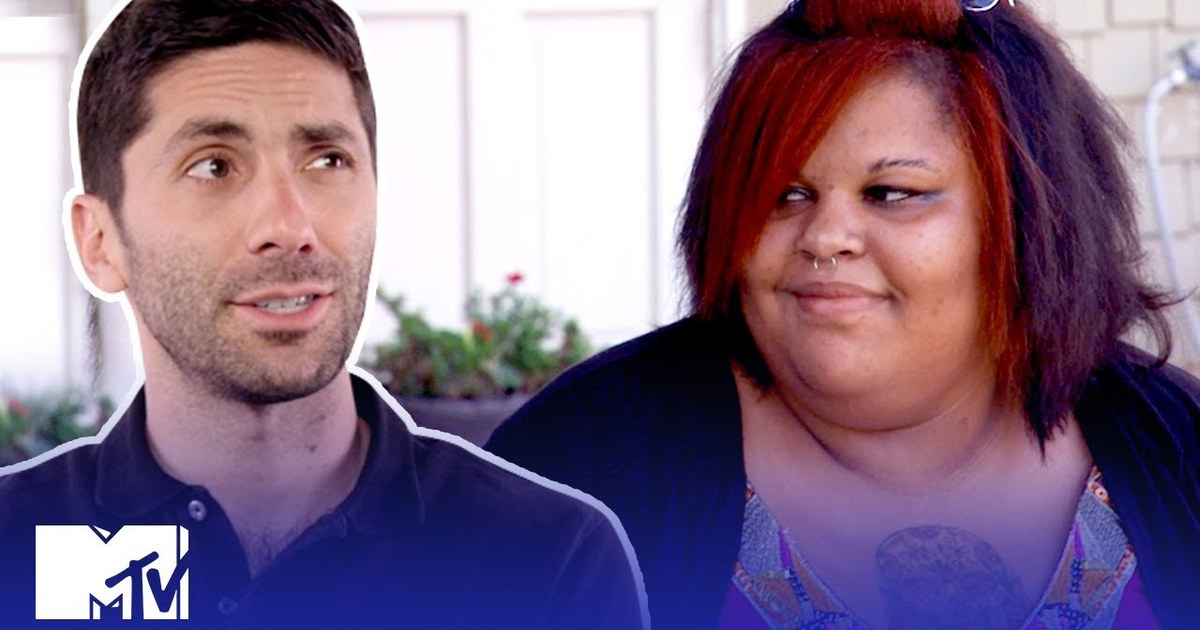
There are two kinds of people who stumble into an episode of Catfish. The first is the genre fan: they came for the twisty, stomach-dropping hunt, the moment the fake profile crumbles, the confrontation that feels like a season finale of a soap opera. The second is the craft nerd: they came to study documentary form, to watch how real people, real stakes, and zero script can produce something that feels more tightly plotted than most Hollywood thrillers. Both audiences are about to get exactly what they want from Season 1, Episode 1 — the one where a young woman named Kya contacts Nev Schulman and Max Joseph with a confession that flips the entire premise on its head.
Kya isn’t worried she’s being catfished. She’s the catfish. She tells Nev and Max that she was talking to a guy named Alex under a different name and a different picture. She never Skyped with him. She grew suspicious when he kept dodging a meet-up, so she went to the one place that specializes in this kind of digital forensics: Catfish. Nev and Max take the case, and from the first frame, you can feel the genre gears grinding. This is a classic setup — a liar who got lied to, a web of fake identities, and two hosts who’ve seen it all. But if you’re watching for craft, you’re already noticing something else: the camera never blinks. No reenactments, no voiceover telling you how to feel. Just two guys, a laptop, and a trail of breadcrumbs.
Let’s talk about that trail, because for the hobbyist programmer in me, this episode is a masterclass in data pipeline engineering. Nev and Max don’t just sit around guessing. They download Alex’s photos from his profile and run them through a reverse Google Image Search. One hit. It takes them to a Facebook profile belonging to a guy named Chris. They compare the two accounts: every single photo on Alex’s profile also appears on Chris’s profile — except Chris has a few more. That’s a classic hash collision, except here it’s visual. The images match, but the metadata doesn’t. Alex is not Chris physically. So Chris isn’t the guy. He’s just a node in the graph, a copy-paste source.
Then they pivot. They Google Alex’s phone number. It shows up on a blog belonging to a guy named Danny in California. They look up Danny on Facebook, and the picture clicks into place. They’re almost completely sure the person Kya’s been talking to is Danny. Think about what just happened: reverse image search, cross-referencing profile photos, phone number lookup, social graph triangulation. That’s not TV magic. That’s a repeatable workflow. It’s the kind of thing you’d script in Python if you were building a catfish detector. And yet, it unfolds with the pacing of a thriller. The genre fan is on the edge of their seat. The craft nerd is taking notes.
For the genre fan, this is the good stuff. A catfish unmasking with real stakes. Kya isn’t a victim in the traditional sense — she’s a participant who got played. That moral gray area makes the hunt juicier. You want to see the look on Danny’s face when they knock on his door. You want the confrontation. You want the moment where the lies collapse. And the episode delivers that, but it doesn’t rush. It lets the tension build through small details: the hesitation in Kya’s voice, the way Nev and Max exchange glances when they realize the phone number matches, the slow zoom on a Facebook profile that suddenly feels like a smoking gun.
For the craft fan, the appeal is different. This isn’t a scripted mystery. It’s a documentary that happens to be structured like one. The directors — Ariel Schulman and Henry Joost, who also made the 2010 film Catfish that started it all — understand that real people don’t deliver exposition. They pause. They contradict themselves. They get defensive. The camera catches all of it. There’s no narrator telling you what to think. You’re just watching two guys work a case, and the editing does the rest. It’s the same principle behind great cinema verité: trust the footage. The result feels more authentic than any scripted detective show, because the emotions are unscripted. When Kya says she asked Alex if he was hiding anything and he told her no, you can hear the betrayal in her voice. That’s not acting. That’s documentary gold.
So here we are, two audiences, one episode. The genre fan is hooked by the promise of a face-to-face reveal. The craft nerd is hooked by the mechanics of the investigation. And both are about to get more than they bargained for. Because the next section takes us to the meeting itself — the moment where Nev and Max finally come face to face with the person behind the Alex profile. It’s a masterclass in suspense and empathy, and it’s where the episode transcends its genre. Stay tuned.
The Reveal: Genre Mechanics and Documentary Craft Collide
Nev Schulman and Max Joseph set up the meeting. Kya is waiting. The person behind the Alex profile arrives late, visibly shaking. This isn't the slick, confident catfish you might expect from a thriller. This is someone terrified. Nev cuts to the quick: 'You're not exactly the person in the photographs.' The reply is quiet but clear: 'Yeah, you're transgender.'


