Part 3
But the toe is just the surface. What this episode really exposes is how technology has rewritten the rules of cheating and catching a cheater. The ride-share app that Bianca suggested Darnell join? It became his cover. The phone that he unlocked with his foot? It became his vault. And the sister, Kamya, with her X-ray eyes and her Walmart stakeouts? She became the detective. It’s a three-act drama played out on daytime TV, and it mirrors a thousand real-life breakups happening right now.
Let’s start with the lie detector. *The Mari Show* — like *Maury*, like *Jerry Springer*, like *The Steve Wilkos Show* — uses polygraphs as a spectacle of truth. They’re not admissible in court. They’re often unreliable. But they’re emotionally satisfying. When Darnell sat in that chair, wires strapped to his chest, the audience didn’t care about scientific validity. They wanted a verdict. They wanted a villain. And when the results came back, the crowd cheered. That’s the ritual. It’s not about justice; it’s about catharsis.
This is the legacy of *The Jerry Springer Show*, which ran for 27 seasons and 4,969 episodes from 1991 to 2018. Springer called it “the worst show in the history of television,” but it was a cultural juggernaut because it turned private shame into public theater. *Maury* took it further with paternity tests and lie detectors, making “You are NOT the father” a catchphrase. *The Mari Show* follows that blueprint. The lie detector isn’t a tool; it’s a character. It’s the judge, jury, and executioner, all rolled into one beeping box.
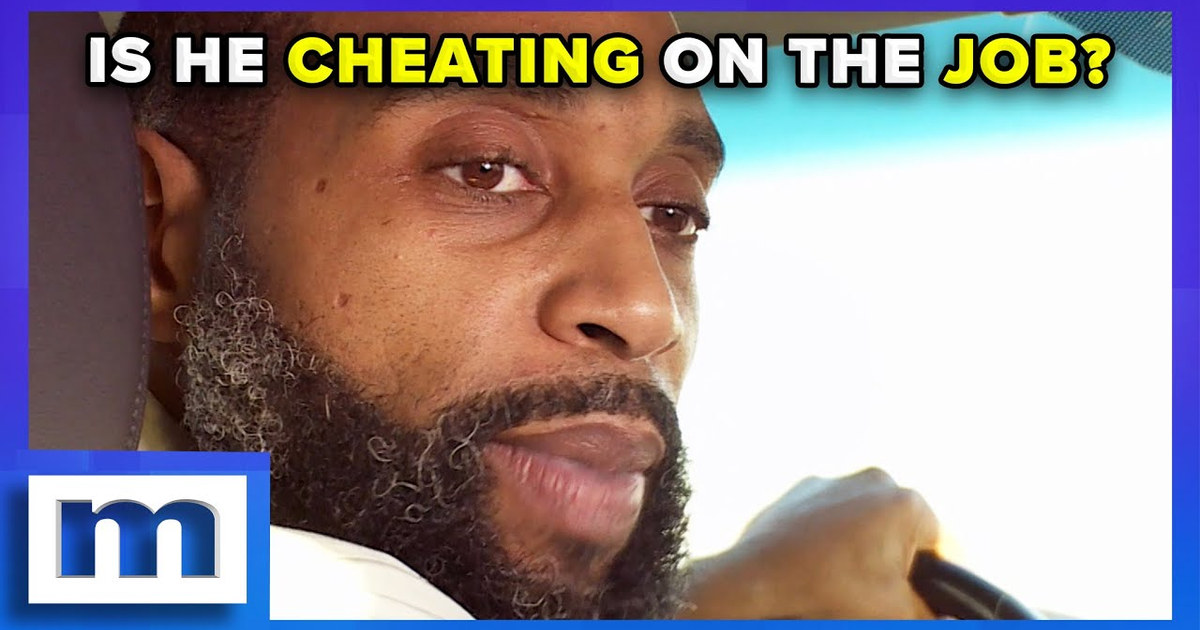
But here’s the thing: the technology that Darnell used to cheat is the same technology that got him caught. The ride-share app tracked his trips. Bianca checked it. When she saw no trips, she knew. The phone became a vault of secrets, but it also became a vault of evidence. The earring in the car. The number in his phone. The toe on the screen. Every piece of tech that made cheating easier also made getting caught easier. It’s a double-edged sword, and Darnell fell on it.
[[AD]]
And then there’s Kamya. The sister. The detective. She saw Darnell at Walmart with another woman. She saw him at a hotel, carrying bags. She heard a coworker call him her boyfriend. Kamya is the surveillance state in human form. She’s not just protecting her sister; she’s on a mission. And that raises an ethical question: when does snooping become protecting? When does suspicion become obsession? Kamya doesn’t have a man in her life, Darnell says, and maybe that’s why she’s so invested. But maybe she’s just a sister who saw the signs and refused to look away.
This dynamic isn’t new. In *The Godfather* (1972, dir. Francis Ford Coppola, 175 min), family loyalty is everything, but it comes with a cost. In *Secrets & Lies* (1996, dir. Mike Leigh, 136 min), a family implodes when hidden truths surface. Kamya is the truth-teller, but she’s also the agitator. She’s the one who pushes Bianca to confront Darnell, and she’s the one Darnell blames for everything. “Her nosy ass sister needs to stop making up stories,” he says. But are they stories? Or are they facts he can’t face?
The lie detector’s limitations are real. Polygraphs measure heart rate, blood pressure, and sweat — not lies. They’re inadmissible in most courts. They can be beaten by a calm liar or failed by an anxious truth-teller. But on *The Mari Show*, none of that matters. The audience isn’t there for science; they’re there for spectacle. They cheer when the verdict is read. They boo when Darnell denies. They’re not passive viewers; they’re participants in a modern-day witch trial. And that’s the point: talk shows like this don’t just reflect our obsession with truth; they feed it.
Think about *The Truman Show* (1998, dir. Peter Weir, 103 min). It predicted a world where every moment is watched, every secret is exposed. *The Mari Show* is a low-budget version of that. It’s a stage where private lives become public property. And the audience — whether in the studio or at home — is complicit. We watch because we want to know: did he do it? Will she leave him? And when the lie detector says he’s lying, we feel vindicated. We feel like justice was served, even if it wasn’t.
But let’s return to the toe. That big toe, pressing against the screen. It’s funny. It’s gross. It’s pathetic. But it’s also a confession. Darnell used his toe because he couldn’t use his thumb. He couldn’t use his face. He couldn’t use his voice. He had to hide even the act of unlocking his phone. And that’s what cheating does: it makes you hide in plain sight. It makes you use your toe. It makes you a stranger in your own bed.
Bianca’s line — “You’re freaking toe” — is the perfect summary. It’s not just about the toe. It’s about the absurdity of it all. The lengths we go to hide. The small tells that betray us. The toe is a symbol of everything that’s wrong with Darnell’s story. It’s the detail that doesn’t fit. It’s the crack in the facade. And once Bianca saw it, she couldn’t unsee it.
The episode ends with Darnell exposed and Bianca resolute. She doesn’t cry. She doesn’t beg. She just says it: “You’re freaking toe.” And that’s it. The relationship is over. The lie detector confirmed what she already knew. The toe was just the final nail. And the audience cheered, because they got what they came for: a verdict, a villain, and a moment of truth.
But what happens after the cameras stop? That’s the question we’re left with. Did Bianca kick him out for good? Did Darnell try to explain away the toe? Did Kamya say “I told you so”? We’ll break down other memorable *Mari Show* moments and what happened after the cameras stopped in the next part. Because the truth is, the show doesn’t end when the credits roll. It just moves to the next episode.
In the end, *The Mari Show* isn’t just about one couple. It’s about all of us. It’s about the ways we trust, the ways we spy, and the ways we perform for an audience. It’s about the apps that connect us and the apps that betray us. It’s about the sisters who see everything and the toes that unlock everything. And it’s about the lie detector, that beeping box that promises truth but delivers theater. Trust is fragile. Sometimes it takes a toe to expose the truth. And sometimes it takes a talk show to remind us that we’re all just one big toe away from being caught.


