Part 3
As a cinematographer who’s shot second-unit on more than a few relationship dramas, I can tell you: this is the scene where the camera stops moving because the operator is too exhausted to keep it steady. The image goes slack. The frame gets heavy. You’re no longer watching a story—you’re watching a cycle. And cycles are the hardest thing to shoot because they never resolve. They just loop.
So let’s break down the aftermath. Not just what happened on the Maury stage, but what you should watch for in your own life—and on your own screen.
The Breakup-and-Get-Back-Together Treadmill
Shane has a justification for cheating that’s as predictable as a jump scare in a Blumhouse film: every time they argue, Sabrina leaves, so he goes into action. He said it plain as day. “Every time you argue, you usually leave… he goes into action.” And then he doubles down: “If you walk out of the house and you say we’re broke up, I’m leaving you… the whole time you still my old lady. I don’t care what you say. You still mine.”
That’s not love. That’s possession dressed up as commitment. It’s the same energy as a shaky handheld shot in a Paul Greengrass movie—you think you’re getting intimacy, but really you’re just getting nausea. The frame never settles. The audience never gets a clean look. And the characters keep running in circles until someone collapses.
They broke up for a year. A whole year. Sabrina left him. And then they got back together. But the past wasn’t left behind. It was just paused. About three weeks before the show, Shane got a text from that same woman. The cycle didn’t break. It just reloaded. And that’s the thing about toxic relationships on reality TV—they’re edited to look like new episodes, but they’re really just reruns. Same fight. Same tears. Same lie detector. Different day.
If you’re watching this at home and you feel a little too seen, that’s your cue to pay attention. Because the tent in the backyard isn’t a joke. It’s a warning.
Emotional Manipulation: “Grow Up” and “Stop Being Insecure”
When Shane finally got the mic, he didn’t apologize. He didn’t own it. He said, “Sabrina needs to get it through her head that I have never cheated on her. Sabrina has a choice: grow up, stop being insecure, or this relationship is over.”
[[AD]]
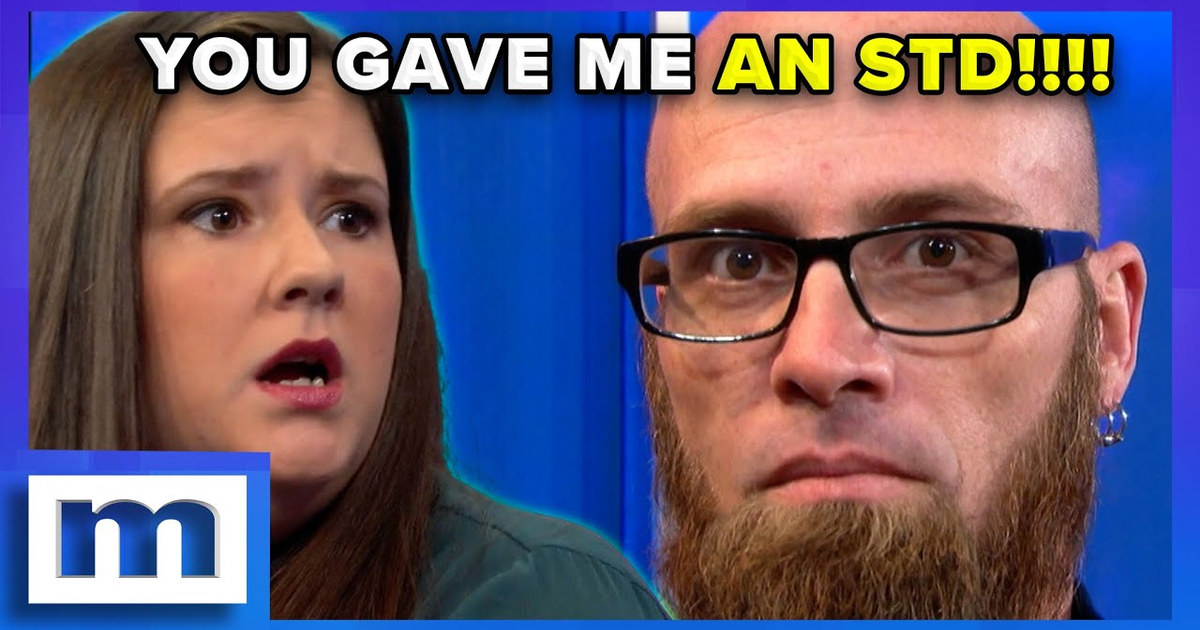
That’s not a partner. That’s a gaslighter with a spotlight. He’s taking her very real pain—the texts, the photos, the STD, the lie detector results—and flipping it back on her like she’s the problem. That’s classic DARVO: deny, attack, reverse victim and offender. And it’s shot in the same tight close-up you’d use for a villain’s monologue in a David Fincher film. The camera doesn’t blink. Neither does he.
But here’s what you need to see: when someone tells you to “grow up” for having boundaries, they’re not asking you to mature. They’re asking you to shut up. When they call you “insecure” for noticing red flags, they’re not diagnosing you. They’re deflecting. And when they say “without sex there is no relationship,” they’re not describing love. They’re describing a transaction.
Shane said that. On national TV. “Without sex, any relationship—there is no relationship. Period.” That’s not a romantic. That’s a guy who thinks intimacy is a vending machine. And when the machine doesn’t work, he finds another one. That’s not a slip-up. That’s a pattern.
What to Watch For: Red Flags in Toxic Relationships and Reality TV
If you’re watching Maury for the drama, great. But if you’re watching because it feels familiar, here’s your checklist. These are the red flags that show up in every toxic relationship—on screen and off.
First: excessive texting exes. Not a “hey, how are you” once a year. We’re talking “I love you, you’re my soulmate, can you buy me a bus ticket” texting. That’s not friendship. That’s an emotional affair. And as we’ve seen, emotional affairs are real affairs. They just don’t leave physical evidence until they do.
Second: lack of respect. Shane handed Sabrina his phone when his ex texted, but he also sent pictures of his own. He called her insecure. He said he was only with her because they have a son. That’s not respect. That’s contempt. And contempt is the number one predictor of divorce, according to decades of research by John Gottman. You don’t need a lie detector to see it. You just need to watch how someone talks about their partner when they think no one’s listening.
Third: blame-shifting. “I made mistakes, but she doesn’t let go of my past.” “I said inappropriate things, but she wasn’t giving me attention.” “I never cheated, but she left me.” Every sentence starts with a confession and ends with an accusation. That’s not accountability. That’s a shell game. And you’re the mark.
Fourth: the cycle itself. Breaking up and getting back together isn’t proof of love. It’s proof of trauma bonding. It’s the same reason people rewatch The Office for the tenth time—comfort in the familiar, even when it’s not good for you. But at least The Office has a finale. Toxic relationships just keep airing new episodes.
And fifth: the lie detector. Look, I know polygraphs aren’t admissible in court. I know they’re not perfect. But on Maury, they’re a narrative device. They’re the third act twist. And when Shane said “no” to sleeping with his exes, and the lie detector said “that was a lie,” the audience didn’t gasp because they were surprised. They gasped because they knew. They’d been watching the same movie for years. They just needed the ending.
The Takeaway: Emotional Affairs Are Real Affairs, and Lie Detectors Don’t Lie
Here’s the thing about Shane and Sabrina. They’re not unique. They’re not even original. They’re a type. They’re the couple you know who keeps breaking up on Instagram and getting back together on Facebook. They’re the ones who post “happy anniversary” and “I’m done” in the same week. They’re the ones who think a lie detector test is a plot twist instead of a cry for help.
But they’re also a mirror. And if you’re watching this and feeling a little too seen, that’s not entertainment. That’s a warning. Emotional affairs are real affairs. Lie detectors don’t lie. And tents in the backyard are not a solution—they’re a symptom.
So what do you do with all this? You watch. Not just the show, but the patterns. You watch for the texting. You watch for the blame-shifting. You watch for the “grow up” and the “stop being insecure.” And you watch for the moment when you realize you’re not watching a love story. You’re watching a hostage situation with a laugh track.
We’ll be back with more Maury Show moments and the psychology behind them. Because if there’s one thing reality TV teaches us, it’s that the camera never lies—even when the people in front of it do.


