Part 3
In George Cukor's 1944 masterpiece Gaslight, Charles Boyer's character systematically manipulates Ingrid Bergman into doubting her own sanity. He dims the gaslights and denies it, hides objects and calls her forgetful. The film gave us the term we use today. Shane's playbook is a modern-day version: he cheats, he lies, and then he tells Sabrina she's the problem. "You're insecure," he says, as if her insecurity isn't a direct response to his betrayal. It's a classic move, and it's chilling to watch.
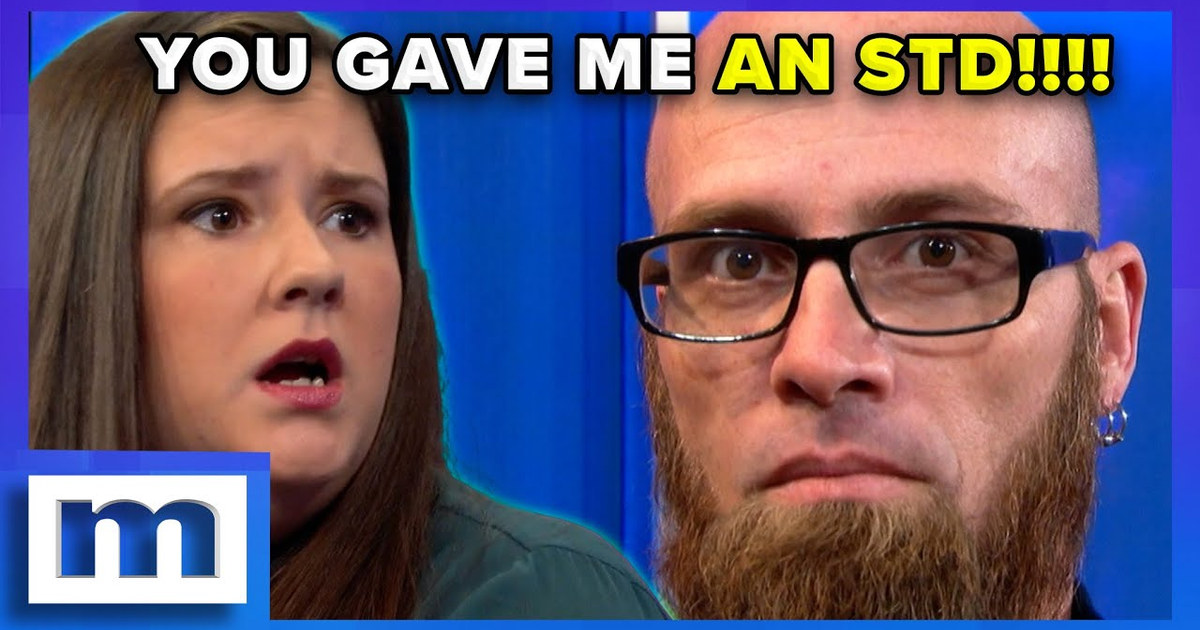
Noah Baumbach's 2019 Netflix film Marriage Story offers a more nuanced take. Adam Driver's Charlie and Scarlett Johansson's Nicole are both flawed, but the gaslighting is subtle—Charlie constantly frames Nicole's desires as irrational, her anger as overreaction. In one scene, he dismisses her concerns about his affair as "not a big deal." Shane's dismissal of Sabrina's feelings is the same tactic, just without the Oscar-worthy monologue. It's raw, unfiltered, and captured in unflinching close-ups that leave nowhere to hide.
Now, let's talk about the audience. Throughout Shane's segment, the Maury crowd applauds and laughs—not with him, but at him. When he claims he never cheated, they cheer sarcastically. When the lie detector results come in, they roar. This isn't just a studio audience; it's a Greek chorus. They react, they judge, they amplify the drama. It's the same dynamic Peter Weir explored in The Truman Show (1998), where the audience watches Truman's life as entertainment, their reactions shaping the narrative. Here, the crowd's laughter and applause become part of the story, a collective voice saying what Sabrina might be too stunned to say.
The Maury Show, syndicated by NBCUniversal, has been a staple of daytime TV since 1991. It's not high art, but it's a direct descendant of The Jerry Springer Show (1991–2018), which turned chaos into theater. Both shows understand that reality TV is modern Greek tragedy: ordinary people, extraordinary emotions, and a audience that can't look away. The difference is that Maury often frames itself as a quest for truth—lie detector tests, DNA results—while Springer was pure spectacle. But the emotional core is the same: we watch because we see ourselves, or because we're grateful we're not them.
So what's next? In the next part, we'll break down the STD timeline—when Shane got tested, what he knew, and how his exes responded. We'll also look at whether Sabrina actually leaves. And we'll dive into Maury's editing techniques, particularly the use of jump cuts to heighten drama. Think Requiem for a Dream (2000), where Darren Aronofsky's rapid cuts and split screens make you feel the characters' spiraling anxiety. Maury's editors use similar tricks: quick cuts between Shane's denials and Sabrina's reactions, the swelling music, the dramatic pause before the verdict. It's manipulative, sure, but it's effective.
The takeaway? Emotional affairs are not "just talk." They are betrayal. They leave scars that no lie detector can fully measure. And Maury's cameras capture every frame—the tears, the lies, the tent threats, and the moment when Sabrina realizes she deserves better. As a cinematographer, I've seen how lighting and framing can shape a story, but nothing beats the raw, unfiltered truth of a woman who's finally had enough. Stay tuned for the next part, where we'll see if Shane's exes have their say—and whether Sabrina walks away for good.


