Part 1
The Consensus: Shane Is Guilty, Case Closed
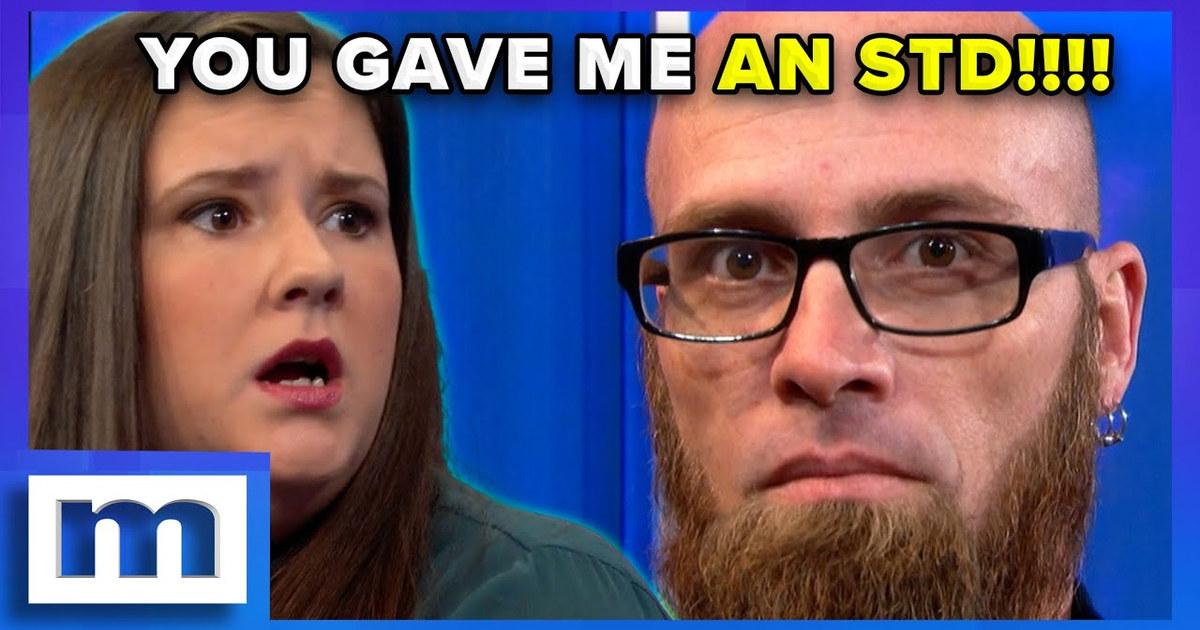
The Maury Show audience had its verdict before the polygraph results even printed. Shane failed four lie detector questions. The crowd gasped, Sabrina's face crumpled, and the internet did what the internet does: it turned a messy relationship into a meme. The 'tent in the backyard' line became a catchphrase. Shane, the man who said 'without sex there is no relationship,' was instantly branded the villain. Sabrina, the wronged girlfriend, was the victim. The polygraph, that blinking box of pseudoscience, delivered justice. Case closed. Right?
I'm not so sure. And before you sharpen your pitchforks, hear me out. This isn't a defense of Shane's behavior. The man admitted to sending inappropriate messages, received explicit photos from other women, gave Sabrina chlamydia, and failed a lie detector test about sleeping with his exes and Facebook contacts. That's a parade of red flags, and the audience was right to react. But the conclusion they jumped to—that the polygraph settled the truth—is lazy. The real story here isn't about a guilty boyfriend and a wronged girlfriend. It's about two people who never defined what 'broken up' actually means. And that's a mess no lie detector can untangle.
Let's recap the key beats from the transcript, because the facts matter. Sabrina found texts from Shane to other women calling them 'soulmate' and saying 'I love you' and 'I wish I was coming home to you.' Shane admitted sending inappropriate messages. Women sent him pictures of their private parts. Sabrina got chlamydia, an STD she says she didn't have before him. And when the polygraph asked if he'd slept with any of the women who sent x-rated pictures, any of his exes, or any Facebook contacts during his relationship with Sabrina, he said no. The machine said he was lying. Four times. Then there's Shane's defense: 'Without sex there is no relationship.' That line made him look worse, sure. But it also hints at the real issue: a relationship with no boundaries, no definitions, and no clear rules.
Here's where I part ways with the consensus. The lie detector test is not the proof everyone thinks it is. Polygraphs are junk science, banned in most courts, and famously unreliable. They measure stress, not truth. A nervous truth-teller can fail. A calm liar can pass. So when Maury's producers trot out that envelope and declare 'that was a lie,' they're not delivering justice. They're delivering theater. And we, the audience, eat it up because it feels like certainty. But it's not. It's a prop.
More importantly, the polygraph distracts from the actual mess: the timeline. Shane says he never cheated during the relationship. Sabrina says he did. But the transcript reveals a crucial detail: they broke up for a year. During that year, Shane was free to do whatever he wanted. The problem is, nobody defined what 'broken up' meant. Did it mean no contact? Did it mean no sex with exes? Did it mean they were still 'soulmates'? Shane says Sabrina would leave after arguments, and he'd go into action. Sabrina says she left him for a whole year. So when did the relationship actually end and restart? The show never clarifies. It just slaps a polygraph on it and calls it a day.
And that's the third piece: Sabrina's insecurity isn't the villain here. Shane's refusal to define boundaries is. He says Sabrina needs to 'grow up' and 'stop being insecure.' But insecurity isn't the problem when your boyfriend is texting other women 'you're my soulmate.' The problem is that Shane wants the benefits of a relationship without the boundaries. He wants to call Sabrina his girlfriend while keeping exes on the hook. He wants to say 'without sex there is no relationship' while refusing to define what the relationship is. That's not a polygraph issue. That's a communication issue.
Now, the strongest counter-argument: Shane failed four questions. Four. That's not a fluke. That's a pattern. And even if polygraphs are unreliable, the sheer number of lies suggests he's hiding something. I get it. I really do. But here's the thing: the polygraph didn't ask about the texts. It didn't ask about the STD. It asked about specific acts—sleeping with exes, sleeping with Facebook contacts—during a relationship that was never clearly defined. So even if the machine is right, it doesn't prove what you think it proves. It proves Shane had sex with someone. It doesn't prove he cheated. Because cheating requires a boundary. And these two never set one.
So yes, Shane looks guilty. The memes are funny. The tent in the backyard is iconic. But the certainty that a polygraph delivers justice? That's the lie. The real story is messier, sadder, and far more human. And it's the story we need to talk about. Because if we don't, we'll keep letting a blinking box tell us who's the villain.
Lie Detectors Are Theater, Not Truth Machines
The Maury Show didn’t invent the polygraph, but it perfected the ritual. The moment those results hit, the audience gasps, the accused squirms, and Maury delivers the line that’s been echoing through daytime TV since the ’90s: “The lie detector test determined that was a lie.” It’s iconic. It’s also scientifically hollow. The polygraph doesn’t detect lies. It detects stress. And stress is not the same thing as guilt.
Here’s how it actually works: a cuff measures your heart rate, a strap around your chest tracks breathing, and electrodes on your fingers monitor sweat. That’s it. There’s no magic wire that reads your soul. The machine records physiological arousal. When you’re asked a question, your body might spike—because you’re lying, sure, but also because you’re nervous, angry, scared, or just really need to pee. The polygraph can’t tell the difference. It’s a blunt instrument dressed up as a scalpel.


