Part 4
And yet, the culture’s takeaway is: thank God for the lie detector. That’s a dangerous message. It tells every Shannon out there that your intuition is worthless. Your pattern recognition is paranoia. Your eyes and ears are unreliable. Get a TV crew. Get a polygraph. Get Maury.
That’s not justice. That’s a game show.
The Real Villains Aren’t James — They’re the Ecosystem
Here’s where I plant my flag. The consensus says: James is the villain, Shannon is the victim, the lie detector is justice. I say: James is a villain, Shannon is a victim, but the lie detector is a distraction. The real villains are Earl, the “friends” who covered for James, the Burger King co-workers who knew about “Nasty Nate” and said nothing, and a culture that calls a woman a psychopath for noticing patterns.
James is just one man. He’s a liar and a cheat, sure. But he couldn’t have done this for three years without help. Earl helped him cheat “all the time,” according to Shannon. The ex-girlfriend who showed up at the door? She was part of the web. The women James told Shannon was “crazy” so they’d be scared of her? They were pawns in his game, but they were also participants. The co-workers who called him “Nasty Nate” knew exactly what he was doing. And the culture that tells women they’re dramatic for connecting dots? That’s the biggest enabler of all.
This is the same dynamic we see in movies like “Gone Girl” (2014, directed by David Fincher, 149 minutes, available on Hulu). Amy Dunne is vilified as a psychopath, but the film forces you to ask: what made her that way? The answer is a culture that rewards performance over truth. James isn’t Amy Dunne. But the label “psychopath” is the same weapon. It’s used to silence women who see clearly.
Or take “Marriage Story” (2019, Noah Baumbach, 137 minutes, Netflix). Charlie and Nicole’s divorce isn’t about a lie detector. It’s about two people who stopped believing each other. The system — lawyers, courts, public opinion — makes it worse. Shannon and James are a low-rent version of that. But the principle holds: the ecosystem amplifies the lie and punishes the truth-teller.
And let’s not forget “The Maury Show” itself. It’s been on air since 1991. It’s a platform that profits from chaos. The lie detector is a prop. The audience cheers when James fails. But what happens after the cameras leave? Shannon still has to raise a baby with a man who called her crazy on national television. The lie detector didn’t fix anything. It just made good TV.
Why I Still Stand by the Contrarian Read
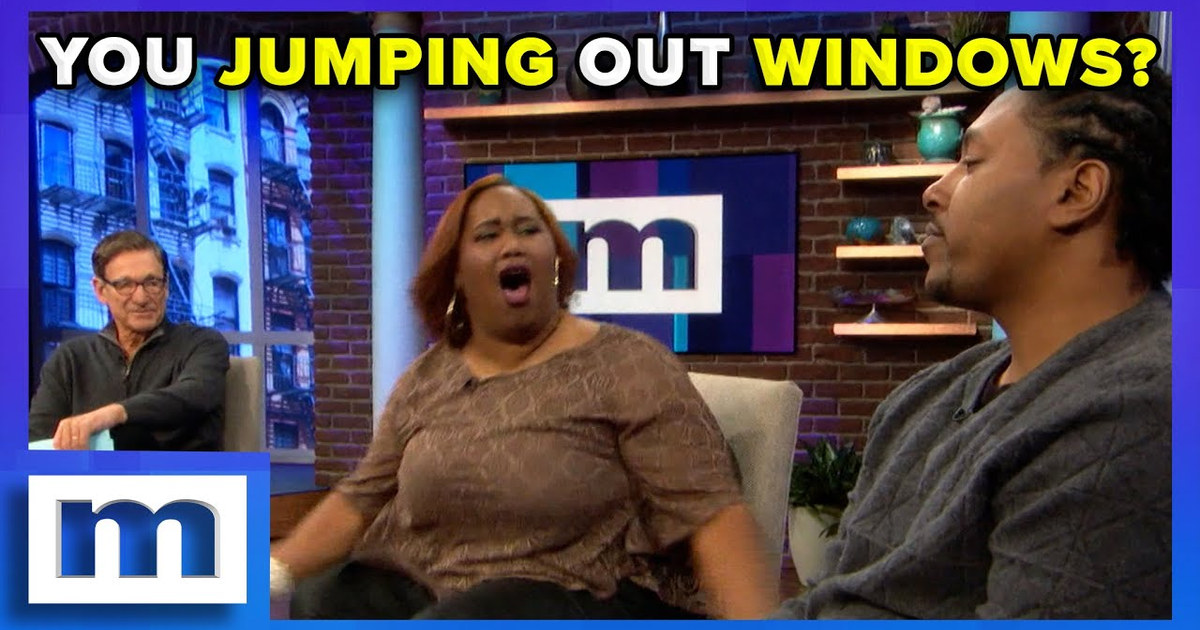
I know what you’re thinking. Maybe the consensus is right. James failed every question. He jumped out a window. He called Shannon crazy while lying. He’s a bad partner. The lie detector happened to be correct. Shannon left. So what’s the problem?
The problem is that we’re celebrating the wrong hero. If we cheer for the polygraph, we’re saying that women need a machine to be believed. We’re saying that Shannon’s three years of lived experience — the door, the inbox, the broomstick, the co-worker’s warning — weren’t enough. That’s a dangerous message. It tells every Shannon out there: your gut doesn’t count. Get a TV crew.
I’m not saying James is innocent. He’s not. I’m saying the lie detector is a distraction from the real villains: Earl, the “friends” who covered, the Burger King co-workers who knew, and a culture that calls a woman “psychopath” for noticing patterns. James is just one man. The ecosystem is the problem.
This is the same lesson we learn from “The Assistant” (2019, Kitty Green, 87 minutes, Hulu). The protagonist never gets a dramatic confrontation. She just endures a toxic workplace where everyone knows and no one speaks. That’s the Shannon story. The lie detector is the dramatic confrontation. But the real horror is the silence that came before.
Or “Promising Young Woman” (2020, Emerald Fennell, 113 minutes, HBO Max). Cassie doesn’t need a polygraph. She needs people to believe her. The film is a revenge fantasy, but its core is a plea: believe women the first time. Shannon didn’t get that. She got Maury.
So here’s my takeaway. If you’re in Shannon’s position, don’t wait for a Maury episode. Trust the window. Trust the inbox. Trust the broomstick. And if you’re watching this clip and laughing at James — ask yourself why you needed a polygraph to believe her.
Next time, we’ll break down other Maury lie detector episodes where the test was wrong — and what happened after the cameras left. Plus, a deeper look at the “Nasty Nate” phenomenon and why workplace nicknames are often red flags. You won’t want to miss it.


