Part 1
The Two Audiences: Genre Fans and Craft Lovers
There are two kinds of people who watch The Maury Show. The first came for the genre: the screaming, the chair-throwing, the DNA swabs, the moment a grown man sprints offstage because he is not the father. The second came for the craft: the editing, the pacing, the way a single episode can build tension like a thriller and land an emotional payoff like a prestige drama. This episode — Taylor, Kota, Chris, and one-year-old Noah — is a masterclass in both.
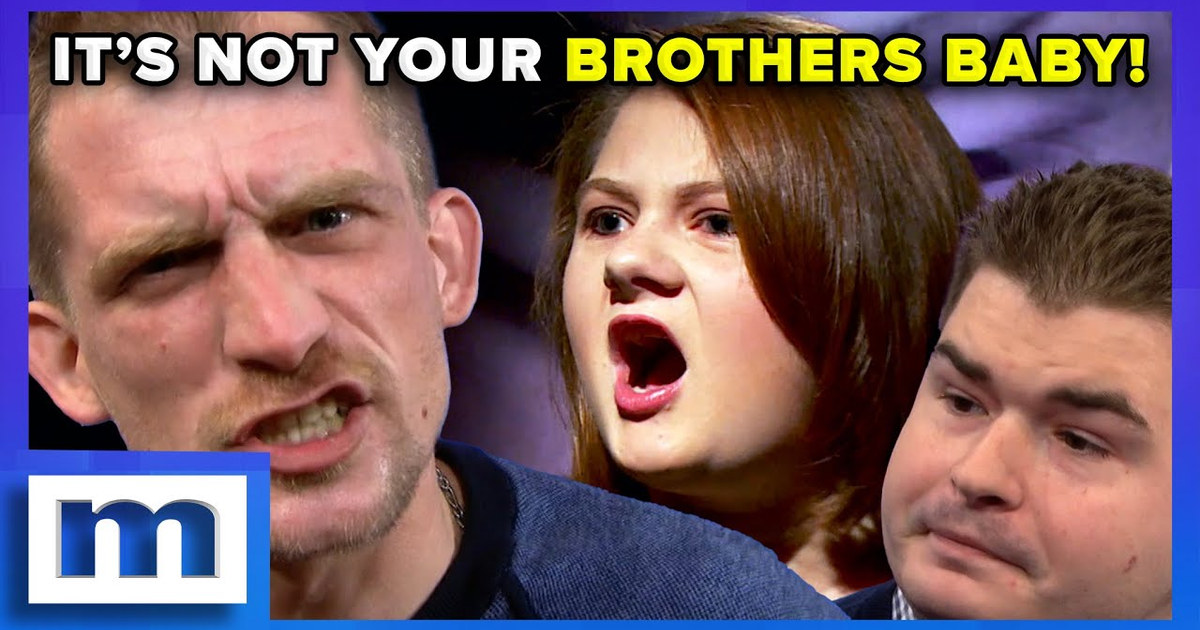
If you're a genre fan, you already know the beats. Taylor opens with a confession: she drank, she blacked out, she slept with her boyfriend's brother. She's 100% sure Kota is the father. Kota says he forgave her but can't let it go. Chris says the baby doesn't look like him. And then Maury reads the results: Chris is not the father. Kota is not the father. Neither brother is the father. It's a triple twist that would make M. Night Shyamalan jealous.
But if you're a craft lover, you're watching something else entirely. You're watching the way the episode is structured like a three-act play. Act one: Taylor's testimony. Act two: the men's rebuttals. Act three: the reveal. The editing cuts between reaction shots — Kota's clenched jaw, Chris's smirk, Taylor's tears — with the precision of a Walter Murch edit in Apocalypse Now (1979, 147 minutes). The pacing is relentless. There's no wasted frame. Every second builds toward the moment Maury opens that envelope.
This is where the two audiences converge. The genre fan gets the drama: a woman who slept with her boyfriend's brother, a man who calls her a 'hoe' on national television, a stepmother who says she doesn't think Kota is the father. The craft lover gets the narrative architecture: a classic paternity test episode that follows the same structure as Jerry Springer and Maury, but with a twist that subverts expectations. It's like watching a genre film that also happens to be a masterclass in editing.
Let's talk about the genre first. The Maury Show has been a staple of daytime television since 1991, and its paternity test episodes are its bread and butter. The formula is simple: a guest claims someone is the father, the alleged father denies it, Maury reads the results, chaos ensues. Jerry Springer did the same thing, but with more fistfights and fewer DNA tests. The genre is built on schadenfreude — the pleasure of watching other people's lives fall apart in real time.
But this episode stands out because of its structure. Taylor's story is told in fragments: she was in an abusive relationship, she turned to drinking, she met Kota, she cheated with Chris. The episode doesn't just present the facts; it withholds them. We don't know who the father is until the end. We don't even know if Taylor is telling the truth. The genre fan is hooked by the mystery. The craft lover is hooked by the way the mystery is constructed.
Consider the moment when Kota walks out. He's angry. He says Taylor slept with his brother, his cousins, his friends. He calls her a 'hoe.' The audience applauds. It's a classic genre moment — the wronged man seeking justice. But from a craft perspective, it's also a character reveal. Kota isn't just a victim; he's a man who can't let go of the past. He says he loves Taylor, but he also says he might not stay with her if he's not the father. That's not just drama; that's character development.
Then there's Chris. He says he slept with Taylor to prove she was a 'hoe.' He says the baby doesn't look like him because his kids have 'slender faces.' He's the antagonist, but he's also the comic relief. The genre fan loves him because he's outrageous. The craft lover loves him because he's a perfectly calibrated foil to Kota's self-righteousness. It's like watching a Coen brothers movie — the characters are absurd, but they're also deeply human.
And then there's Taylor. She's the protagonist, but she's also the unreliable narrator. She says she's 100% sure Kota is the father. She says she wants Chris out of their lives. But she also admits she blacked out and doesn't know what happened. The genre fan roots for her because she's the underdog. The craft lover watches her because she's a study in contradiction. She's not just a guest on a talk show; she's a character in a narrative that's being constructed in real time.
The reveal is the payoff. Maury opens the envelope. 'Chris, you are not the father.' Chris celebrates. 'Kota, you are not the father.' Kota's face falls. Taylor breaks down. It's a moment of pure genre catharsis — the kind of twist that makes you gasp. But it's also a moment of pure craft. The editing cuts between the three of them, holding on their reactions just long enough to let the emotion sink in. The music swells. The audience gasps. It's a masterclass in manipulation.
This is why The Maury Show still matters. It's not just a guilty pleasure; it's a case study in how to tell a story. The genre fans get their thrills. The craft lovers get their lessons. And both audiences get the same thing: a narrative that's so well-constructed, you can't look away. It's like watching a great film — you know it's manipulative, but you don't care. You're too busy watching the train wreck.


