Part 3
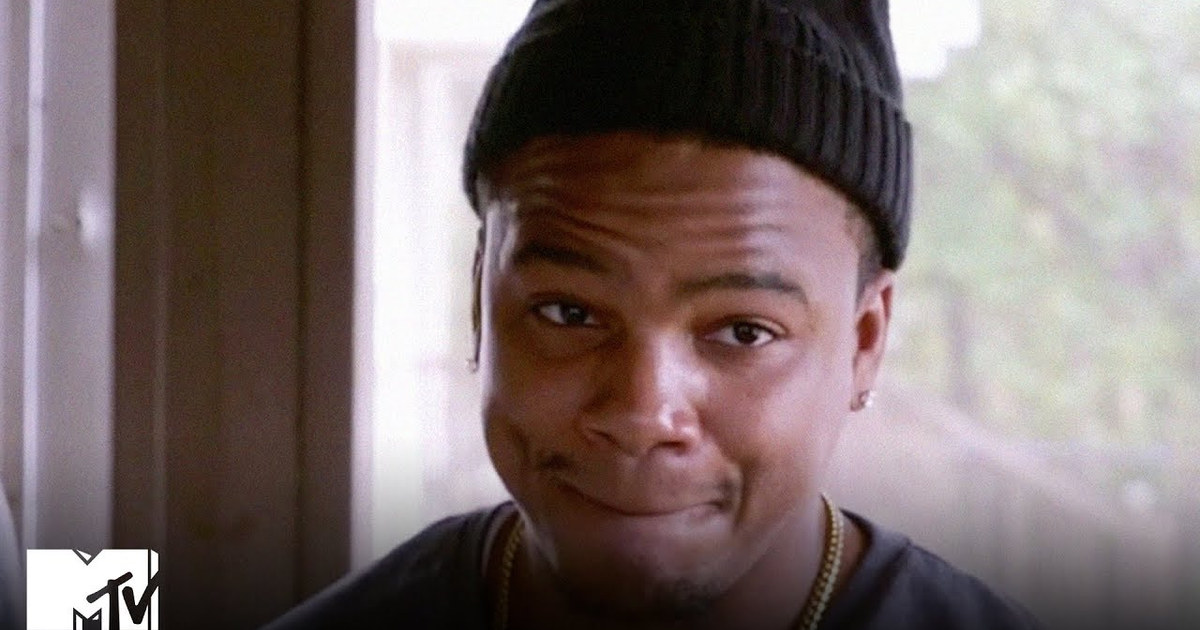
The emotional confrontation is where the genre delivers its catharsis. Letrease confesses everything: the fake pregnancy, the miscarriage, the involvement of family members. Tyreme is devastated. He's been mourning a baby that never existed, and the woman he loved doesn't exist either. The layers of deception are staggering. Letrease even had her family members talk to Tyreme on the phone, pretending to be Tomorrow's relatives. That's commitment to the con. The genre doesn't shy away from the messy emotions — it leans in. Tyreme's reaction is raw, and Letrease's shame is palpable. It's the kind of moment that reminds you why Catfish has lasted so long.
From a genre perspective, this episode checks every box: the investigation, the reveals, the twist, the confrontation. It's a textbook example of how to build suspense and deliver a satisfying payoff. The use of Facebook searches and phone number lookups feels like a procedural, but the emotional stakes keep it from being cold. The genre works because it's about people, not just technology. And this episode understands that.
[[AD]]
For fans of reality TV and true crime, this is catnip. The pacing is tight, the clues are doled out strategically, and the final reveal lands like a plot twist in a thriller. It's not just entertainment — it's a cautionary tale about the dangers of online love. But more than that, it's a reminder that behind every fake profile is a real person with real issues. The genre doesn't judge; it observes. And in doing so, it gives us a window into the human condition.
So if you're here for the hunt, the twist, and the catharsis, this episode of Catfish is a must-watch. It's a prime example of why the show has become a cultural phenomenon. The genre elements are perfectly calibrated to keep you on the edge of your seat, and the emotional payoff is worth the ride. Stay tuned for the next section, where we'll switch gears and analyze the pure craft behind the episode — because there's more to this than just drama.
Pure Craft: Filmmaking as Engineering with a Soul
If you're the kind of viewer who watches Catfish for the twists, you got your money's worth in the last section. But now I want to talk to the other half of the audience — the ones who pause to admire the edit, who notice when the music drops out, who treat a reality show like a piece of engineering. Because this episode, 'Tomorrow,' is a masterclass in building tension with nothing but a few screen recordings and a phone number.
Let's start with the editing. The producers have turned the mundane act of Googling into a thriller. When Nev and Max run the phone number, we don't just see a result — we see the cursor blinking, the page loading, the zoom-in on the name 'Christ Rothwell.' It's a rhythm: search, pause, reveal. Then they cut to Tyreme's face, then back to the screen. That back-and-forth is the heartbeat of the episode. And when they find the sonogram on Shedeija's page, the edit holds just long enough for you to feel the floor drop. No music, no commentary — just the image and the implication.
Sound design here is surgical. During the phone number search, there's a low, pulsing synth that mimics a heartbeat. It's subtle, almost subliminal. But when Tyreme breaks down about the miscarriage, the music vanishes. You hear the room tone, the shuffle of feet, the catch in his voice. That absence is louder than any score. It's a classic documentary technique — let the silence do the work — and it's executed perfectly.
Cinematography? Handheld, intimate, unflinching. When they confront Letrease, the camera is close, sometimes uncomfortably so. You see the micro-expressions: the flicker of guilt, the defensive smile, the way her eyes dart to the side. Natural light floods the meeting house, giving everything a raw, unvarnished feel. There's no glossy filter here. It's just people in a room, and the camera refuses to look away.
But the real engineering feat is how the show balances ethics with entertainment. Yes, Catfish is a reality show, and yes, it's built to keep you watching. But the craft here also humanizes both Tyreme and Letrease. Tyreme isn't just a mark; he's a lonely father looking for connection. Letrease isn't just a villain; she's a person who created a fantasy to escape her own reality. The editing doesn't mock them. It observes them. That's the soul in the machine.
So does 'Tomorrow' satisfy both audiences? Absolutely. Genre fans get the hunt, the mask, the twist. Craft nerds get the technical mastery — the editing, the sound, the cinematography. And everyone gets a poignant story about loneliness and connection in the digital age. It's a reminder that behind every catfish is a human being, and behind every episode is a team of filmmakers who know exactly what they're doing.
Next time, we'll dig deeper into Catfish's evolution and its impact on online dating culture. Until then, keep your cameras on.


