Part 1
The Hook: Two Audiences, One Catfish
There are two kinds of people who watch Catfish. The first kind is here for the thrill of the hunt: the twists, the meltdowns, the moment a stranger’s profile picture turns out to be a stock photo from a modeling agency in Kansas City. The second kind is here for the craft: the filmmaking techniques, the narrative structure, the ethical dilemmas, the way a single phone number can unravel a person’s entire reality. If you’re in the first camp, you want the gotcha. If you’re in the second, you want the how. Tonight’s episode, “Tomorrow,” from Catfish Season 6 (2017) on MTV, delivers both — and it does so with the kind of precision that makes you want to take notes.
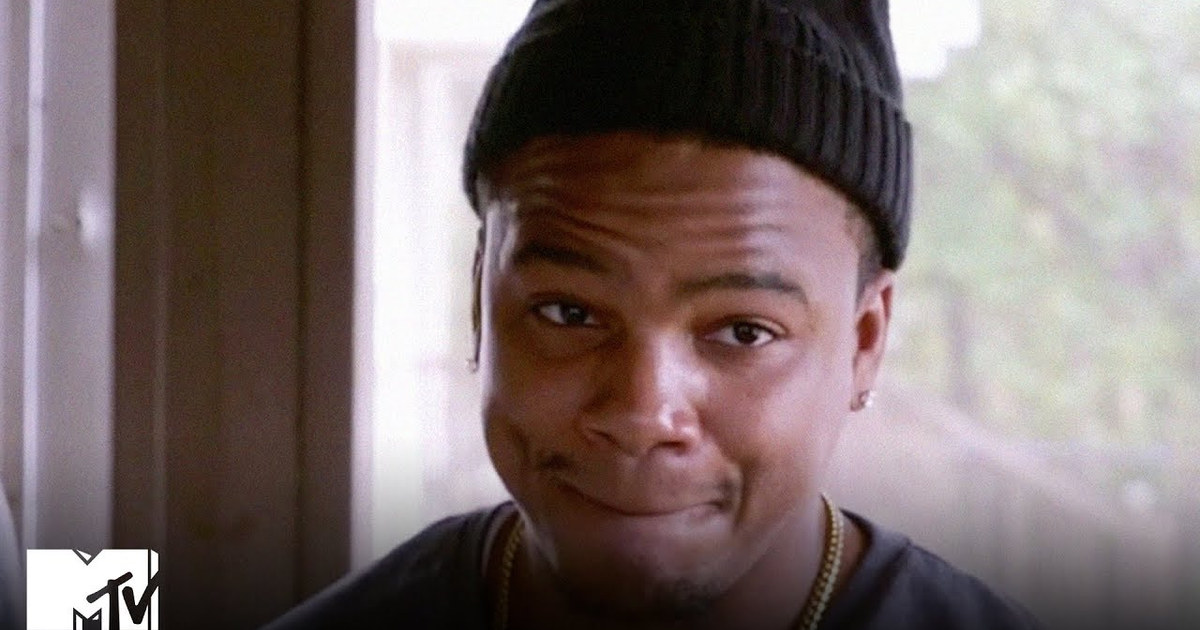
Let’s start with the case. Tyreme is a 27-year-old father of two from Newport News, Virginia. He’s been talking to a woman named Tomorrow from Alabama for about nine months. They met on Facebook, exchanged numbers immediately, and now they talk daily. He calls her his best friend. He says she’s the most beautiful girl he’s ever seen. He’s ready to move to Alabama to be with her. But there are problems. Tomorrow’s camera is broken — both cameras on her iPhone 6, apparently. They’ve never video chatted. She borrows her sister’s phone. And then there’s the pregnancy story: Tomorrow told Tyreme she was pregnant after sleeping with her best friend’s ex, then said she had a miscarriage. Tyreme isn’t sure what to believe. He wrote to Nev and Max because he needs to know if Tomorrow is real.
For genre fans, this is a classic Catfish setup. The red flags are all there: the broken camera, the borrowed phone, the refusal to video chat, the convenient pregnancy and miscarriage. It’s the kind of story that makes you yell at your screen. And the hosts, Nev Schulman and Max Joseph, know exactly how to play it. Nev is the empathetic storyteller, the one who feels Tyreme’s pain and wants to believe in love. Max is the skeptical tech analyst, the one who notices the iPhone 6 has two cameras and asks why both are broken. Their dynamic is the engine of the show, and it serves both audiences: Nev gives you the emotional stakes, Max gives you the forensic details.
But here’s where the craft nerds lean in. This episode isn’t just a hunt; it’s a masterclass in building suspense through technology. The entire investigation unfolds like a debugging session. First, they look at Tomorrow’s photos. Max spots a Mississippi State sweatshirt — but wait, it says Missouri. Tyreme didn’t notice. That’s the first clue. Then they run the phone number. It comes back registered to someone named Christ Rothwell. Then they find a Facebook page for Aryssa in Kansas City, Missouri. The sweatshirt, the Cardinals paraphernalia — it all lines up. But the phone number also connects to a Shedeija. And a sonogram from January. The pieces don’t fit yet, but the show lets you watch the puzzle being assembled in real time.
What makes “Tomorrow” so effective is that it respects both audiences. If you’re here for the genre thrills, you get the classic Catfish beats: the confrontation, the reveal, the tears. If you’re here for the craft, you get to see how Nev and Max use open-source intelligence — Facebook searches, phone number lookups, photo analysis — to crack the case. It’s filmmaking as engineering with a soul. The camera work is unobtrusive, the editing is tight, and the narrative structure is built on a series of escalating revelations. By the time they find the mask, you’re hooked.
And that’s the thing: Catfish isn’t just a reality show. It’s a documentary about the ways we perform identity online. The episode “Tomorrow” is a perfect example. It’s got a sympathetic protagonist in Tyreme, a mysterious love interest in Tomorrow, and a pair of hosts who are both detectives and therapists. Whether you’re watching for the gotcha or the how, you’re watching a story about trust, technology, and the stories we tell ourselves. So let’s dig into both sides. For the genre fans, we’ll break down the hunt. For the craft nerds, we’ll break down the engineering. Either way, you’re in for a ride.
Before we go further, a quick note on the hosts. Nev Schulman has been the face of Catfish since the 2010 documentary film of the same name, directed by Ariel Schulman and Henry Joost. That film, which ran 87 minutes, followed Nev’s own online relationship with a woman named Megan. It was a hit, and MTV turned it into a series in 2012. Max Joseph joined as co-host from the start, bringing a filmmaker’s eye and a skeptic’s instincts. Together, they’ve become the Odd Couple of online investigations. Nev wants to believe; Max wants to verify. That tension is what makes the show work, and it’s on full display in “Tomorrow.”
Now, let’s talk about the case itself. Tyreme is a father of two, and he’s at a point in his life where he wants to settle down. He’s been talking to Tomorrow for nine months. They’ve never met in person. He’s sent her money? We don’t know. But he’s ready to move to Alabama. That’s a big deal. And Tomorrow’s story has holes. The broken camera is the classic excuse. The borrowed phone is another. The pregnancy and miscarriage add emotional weight. Tyreme is vulnerable, and that’s what makes him sympathetic. He’s not a fool; he’s a guy who wants to believe in love. And that’s what Catfish does best: it shows how smart people can be fooled by their own hopes.


