Part 1
The Two Viewers: Genre Tourist vs. Craft Engineer
There are two kinds of people who watch *Catfish*. The first is the genre tourist. They came for the thrill: the mystery, the confrontation, the inevitable reveal. They know the formula by heart—email, investigation, confrontation, resolution—and they love it. They’re here for the drama, the tears, the “I knew it!” moment. The second is the craft engineer. They came for the machinery. They watch the same episode but see a masterclass in deception, a carefully engineered con, and a narrative built to manipulate. If you’re reading this, you’re probably one of them—or maybe you’re both. Either way, this article is for you.
Let’s start with the genre tourist. They’re the reason *Catfish* has been on MTV since 2012, hosted by Nev Schulman and Max Joseph (and later Kamie Crawford). The show is a genre machine. Each episode follows a predictable arc: a hopeful romantic emails the hosts about a mysterious online love; Nev and Max investigate; they confront the catfish; and, usually, there’s a resolution—sometimes heartwarming, sometimes heartbreaking. It’s a formula as reliable as a for-loop. And it works. The genre tourist doesn’t care about the code; they care about the output. They want the emotional payoff, the twist, the catharsis.
Then there’s the craft engineer. They watch *Catfish* the way a programmer reads source code. They’re not just watching the story; they’re reverse-engineering it. How did the catfish maintain the illusion for so long? What were the tells? The hoodie in the dark. The blurry video. The convenient excuses. The craft engineer sees the narrative as a system: inputs (emails, photos, calls), processes (lies, manipulation, evasion), and outputs (the reveal, the confrontation). They’re fascinated by the engineering of a con—the small details that make a lie believable, the psychological hooks that keep the victim invested. For them, *Catfish* isn’t just a show; it’s a case study in social engineering.
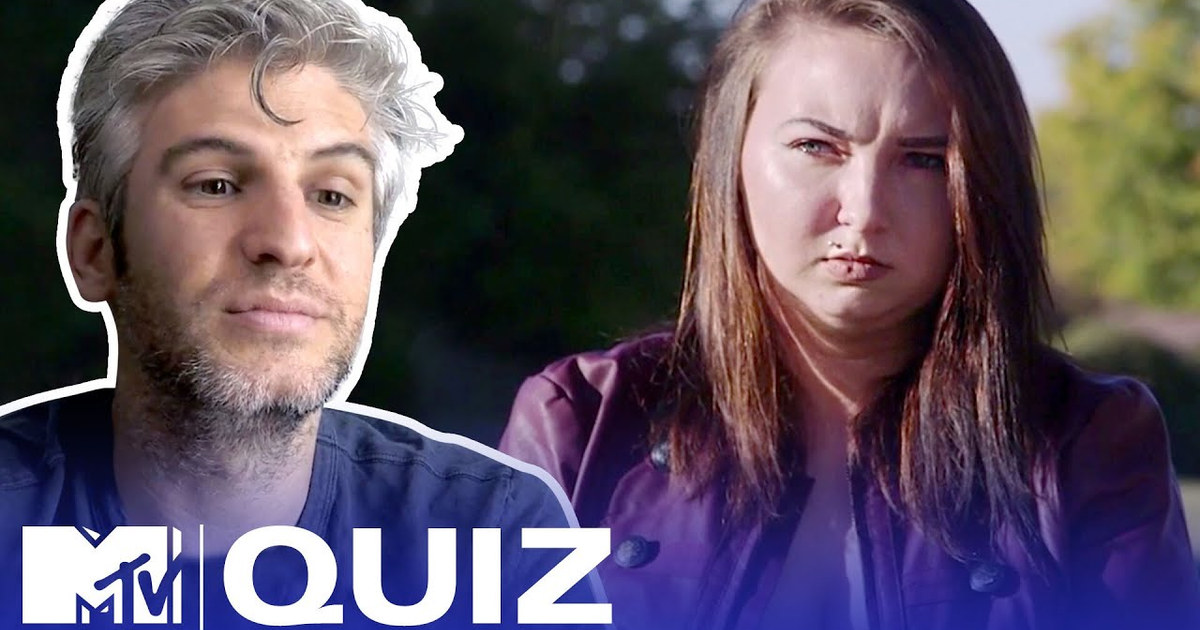
This episode is a perfect example. It starts with an email from Mecca, an 18-year-old girl living in Tampa, Florida. She writes to Nev and Max (well, Nev and Kamie, but we’ll get to that) about Ryan, her first love. They met five years ago when she was 13 and he was... well, supposedly a guy from Texas. They talked non-stop, he was sweet and caring, and he helped her through a difficult time when she was being bullied at school. But then the red flags started piling up. When they finally video chatted, she couldn’t see him—it was dark, and he was wearing a hoodie. Classic catfish move. Eventually, Ryan broke down and admitted he wasn’t the guy in the pictures. He sent her a photo of a completely different guy. His name was Tanner. And then, the kicker: Mecca still loved him. She still wanted to help him. She wrote to the show because she didn’t know what to do.
Now, the genre tourist is already hooked. They see the setup: a young girl, a mysterious love, a shocking reveal. They know the drill. Nev and Kamie will investigate, track down Tanner, and confront him. There will be tears. There will be drama. There might even be a happy ending—or at least a resolution. The genre tourist is here for the ride. They don’t care about the how; they care about the what. What happened? Who is Tanner? Why did he do it? Will Mecca get closure? These are the questions that keep them watching.
But the craft engineer is watching something else entirely. They’re watching the mechanics of deception. They notice the details: the hoodie in the dark, the blurry video, the five-year timeline. They see the narrative engineering at work. How did Tanner keep Mecca on the hook for five years? What were the small tells that she missed? How did he manage the emotional labor of maintaining a fake identity? The craft engineer is less interested in the reveal and more interested in the build-up. They want to understand the system. They want to see the code.
And that’s what this article is about. We’re going to alternate between these two perspectives. We’ll look at the genre-craft—how *Catfish* builds a thriller from a teen’s inbox, how it manipulates tension, how it delivers catharsis. And we’ll look at the pure-craft—the engineering of a con, the programmer’s guide to Tanner’s stack, the narrative machinery that makes a lie believable. We’ll satisfy both the genre tourist and the craft engineer without privileging either. Because here’s the thing: *Catfish* is both a genre machine and a masterclass in engineering. It’s entertainment, yes, but it’s also a system. And like any good system, it’s worth taking apart to see how it works.
So, whether you’re here for the drama or the details, buckle up. We’re about to dive into the catfish story of Mecca and Tanner—and we’re going to look at it from both sides. The genre tourist will get their thrills. The craft engineer will get their blueprints. And maybe, just maybe, we’ll all learn something about the art of the con.
Genre-Craft: How Catfish Builds a Thriller from a Teen's Inbox
If you came for the genre, you already know the beats before they land. But watch how *Catfish* assembles them, and you'll see the engineering underneath. This is a thriller built from a teen's inbox—and it runs like clockwork.


