Part 2
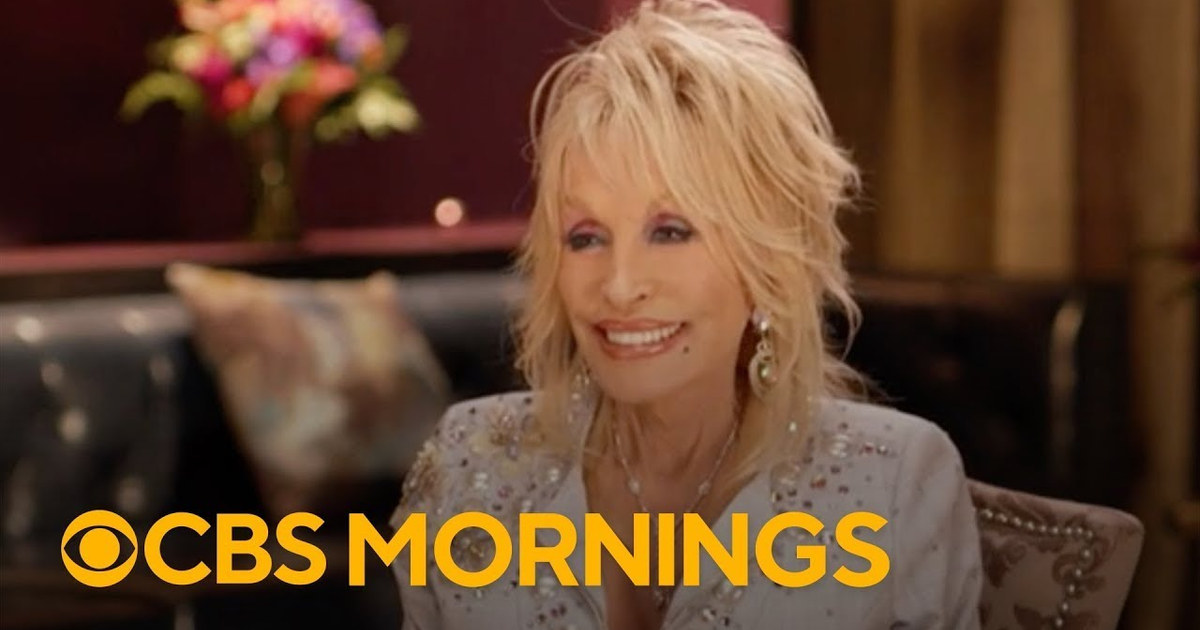
Dolly herself explained the shift. 'We used to have a museum where we had all of our artifacts,' she said. 'Then we thought, well, we need something bigger. We need something better.' That's the sound of an icon refusing to be embalmed. She continued: 'We got to keep up with the times and everything is so digital, so it was an easier way and a much more exciting way.'
That word—exciting—is key. Museums are quiet. Multimedia is loud, immersive, and alive. And Dollywood didn't just swap out display cases for screens. They built an entire narrative environment that puts you inside Dolly's story. It's the difference between reading a biography and stepping into a movie based on it.
This isn't the first time a theme park has tried to marry history with high-tech spectacle. Consider Disney's Hall of Presidents, which opened in 1971 at Walt Disney World. It used Audio-Animatronics to bring dead presidents back to life. At the time, it was revolutionary—a history lesson that moved and spoke. But it was still a passive experience. You sat, you watched, you left. Dolly's new venture goes further. It doesn't just animate the past; it surrounds you with it.
[[AD]]
Then there's Universal's Harry Potter and the Forbidden Journey, which debuted in 2010 at Islands of Adventure. That ride blended practical sets, projection mapping, and robotic arms to create the illusion of flying through Hogwarts. It set a new standard for immersive storytelling. Suddenly, theme park attractions weren't just rides—they were portals. Dolly's team clearly took notes. The Dolly Parton Experience uses similar tricks to make you feel like you're walking through her memories, not just looking at them.
But here's the thing: Dolly's evolution isn't just about technology. It's about a broader shift in how we engage with celebrity and history. We don't want to just see the past; we want to feel it. We want to be part of it. That's why immersive Van Gogh exhibits sell out, why ABBA Voyage packs arenas, and why the Sphere in Las Vegas is a bucket-list destination. Nostalgia isn't a static thing anymore. It's an experience.
[[VIDEO]]
And Dolly, ever the savvy businesswoman, understood that before most. She's been reinventing herself for six decades—from country star to pop crossover to movie icon to theme park mogul. The Dolly Parton Experience is just the latest chapter. It's not a mausoleum; it's a living, breathing extension of her brand. And it's designed to make you feel something, not just learn something.
So what does that mean for the future of museums? Maybe they'll all become multimedia playgrounds. Or maybe Dolly is just ahead of the curve, as usual. Either way, she's proven that even a life as big as hers can be translated into an experience that feels personal, immediate, and—yes—digital. The question now isn't whether a life can fit into a show. It's what that show actually contains. And that's where we're headed next.
The Content: Chapters of a Life
The Dolly Parton Experience doesn't just show you Dolly Parton. It tries to become her. From the moment you step inside, you're not browsing cases of old costumes—you're walking through a life. Dolly herself puts it plainly: 'It tells my story from my childhood all the way through my career all the people that I've worked with.' That's a tall order. Childhood in Sevierville, Tennessee. The family that sang in church. The uncle who saw something in a seven-year-old girl with a guitar. The first TV appearance at ten on the Cass Walker show. The move to Nashville. The breakout. The movies. The wig. The laugh. The empire. All of it. And somehow, the Experience promises to deliver not just the highlights but the connective tissue—the family, the clothes, the hair, the stories. It's a biography you can walk through.
Dolly calls them chapters. 'There's a lot of chapters,' she says, 'and they're all so interesting and they're all so different.' She's not wrong. Her life reads like a serialized novel. Chapter one: the barefoot girl in Locust Ridge. Chapter two: the blonde bombshell on The Porter Wagoner Show. Chapter three: the crossover queen with 'Here You Come Again.' Chapter four: the movie star in 9 to 5. Chapter five: the business mogul behind Dollywood. Chapter six: the beloved elder stateswoman who fundrolled a COVID vaccine. Each chapter has its own aesthetic, its own soundtrack, its own cast of characters. The Experience uses those chapters as its structural backbone, letting you move through them at your own pace. It's a smart way to handle a life that refuses to fit into a single narrative.
What makes those chapters land isn't just the digital wizardry. It's the stuff. The actual stuff. Dolly's team dug into the archives and pulled out the artifacts that used to sit in the old museum—the gowns, the instruments, the handwritten lyrics. In a multimedia experience, those objects become talismans. You're not just reading about the coat of many colors; you're standing inches from the fabric. That's where the emotional resonance kicks in. You see the tiny guitar she learned on. You see the dress she wore on the night she won her first Grammy. You see the wig—one of them, anyway—that became as famous as she is. These are not just props. They are relics. And in the context of a life story that spans more than sixty years, they anchor the digital spectacle in something real and fragile.


