Part 3
What's fascinating is how both projects serve both audiences simultaneously. The genre fan wants glamour, and Dolly delivers: the star power, the duets, the sparkle. The craft fan wants insight, and Dolly delivers: the song selection rationale, the costume construction, the business of being a brand. She doesn't dumb down the art, and she doesn't gatekeep the process. She just opens the hood and lets you look.
This is the same woman who wrote 'Jolene' and 'I Will Always Love You' on the same day in 1973. That's not a fun fact; that's a benchmark. It tells you her throughput is legendary and her quality control is ruthless. *Rockstar* and *Behind the Seams* are just the latest commits to a repository that's been active since she was nine years old, singing on local TV in Sevierville, Tennessee.
And here's the lateral move that ties it all together: Dolly doesn't separate the genre icon from the craft engineer. She treats them as the same process. The rhinestones are not a distraction from the music; they're part of the interface. The rock album is not a departure from country; it's a fork of the same codebase. She's been reinventing since before reinvention was a buzzword.
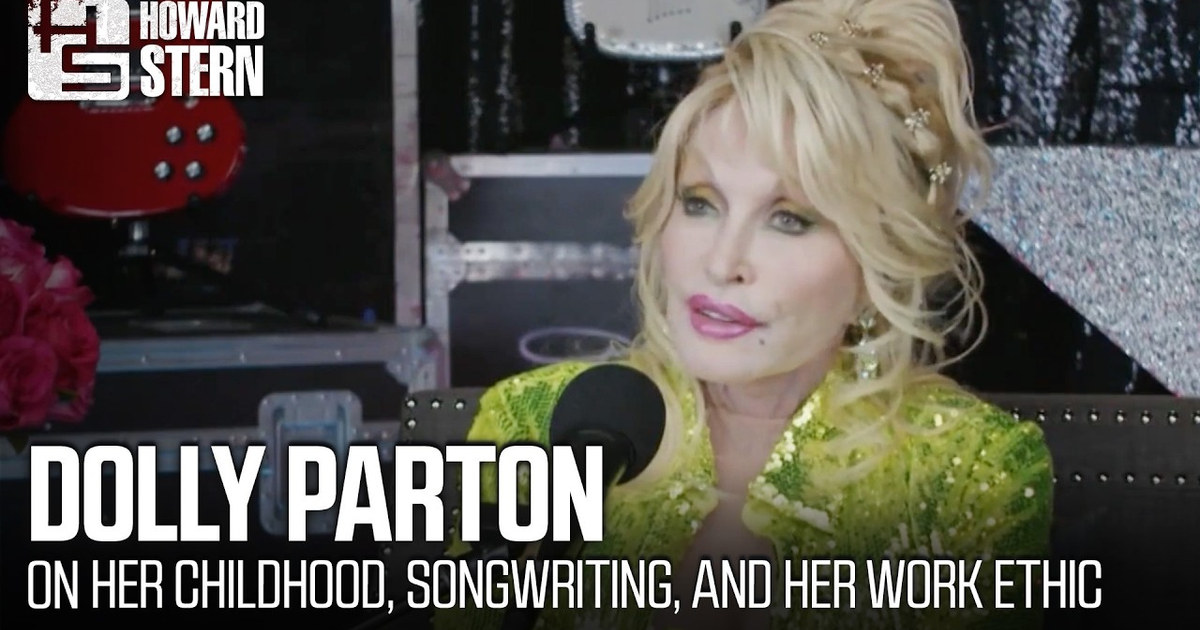
So when you watch her on *The Howard Stern Show*, surrounded by guitars that she cheerfully admits are 'all props,' you're watching a master debugger. She knows what looks good on camera. She knows what sounds good on record. She knows that the audience is split between people who want the myth and people who want the method — and she refuses to choose. She gives you both, wrapped in sequins.
The takeaway? Dolly Parton satisfies the genre lover and the craft nerd because she never apologizes for either. She is unapologetically herself — a savant, a business, a brand, a songwriter — while constantly honing her skills. She doesn't rest on legacy. She ships. And that's why, at 77, she can release a rock album that debuts at number one and a book that makes you rethink costume design as a form of engineering.
Next time, we'll dig into the songwriting catalog — the 3,000-plus songs, the hits for other artists, the ones she kept for herself — or maybe the business empire that turned a Tennessee girl into a multimedia corporation. Either way, bring your debugger. You're going to need it.


