Part 1
The Book Lady's Mission: More Than Music
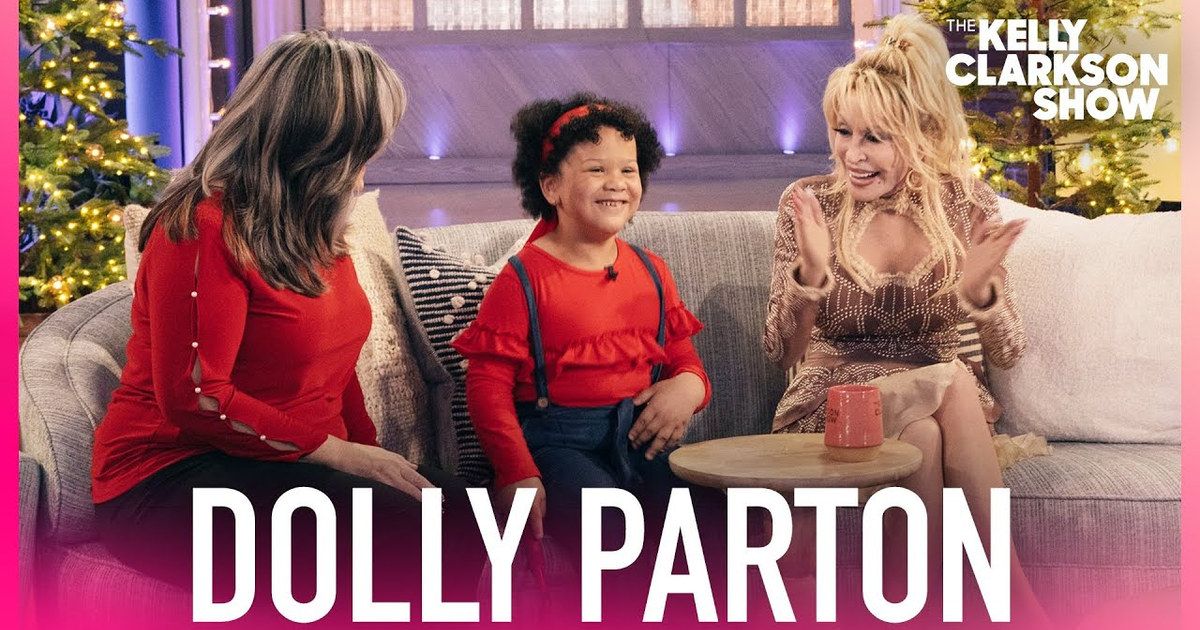
You have probably seen the trailer. Dolly Parton, all rhinestones and warmth, sitting across from Kelly Clarkson on The Kelly Clarkson Show in 2023. A six-year-old girl named Rosie, blind since birth, is brought out as a surprise. She asks Dolly to sing 'Amazing Grace.' Then she launches into 'The Lion Sleeps Tonight,' and the whole studio melts. It's a moment so pure it feels scripted, except it isn't. It's the kind of viral clip that makes you laugh, then cry, then wonder: how did we get here? How did a country music legend become the most effective literacy advocate in American history?
That question isn't rhetorical. It's the one this story answers. Can one person's stubborn commitment to early literacy actually change the world? Dolly Parton has been quietly proving it for nearly thirty years. Not with a foundation gala or a celebrity PSA, but with a simple promise: every child under five gets a free book, every month, delivered to their home, no strings attached. Since 1995, Dolly Parton's Imagination Library has given away nearly 200 million books. Today, one in ten children in the United States under the age of five receives a book from Dolly. Let that sink in. One in ten. That's not a side project. That's a movement.
The origin story is as personal as it gets. Dolly's father, Robert Lee Parton, was illiterate. He couldn't read or write. Dolly has said he felt trapped by it, ashamed. She watched him struggle in a world that assumes everyone can read. When she became famous, she didn't just buy him a house or a car. She built something that would outlive them both. The Imagination Library was her way of saying: no kid should feel that shame. No child should be left behind because a book never made it to their door. 'I'm proud of it,' she told Kelly Clarkson, her voice cracking just a little. 'My dad would be proud.'
That pride is earned. The program started in Sevier County, Tennessee, in 1995, mailing books to a handful of kids. By 2023, it had expanded to five countries and thousands of communities. The books are age-appropriate, curated by experts, and free to families. There's no income requirement. No application fee. You sign up, and a book shows up. For families in rural areas, in low-income neighborhoods, in places where the nearest bookstore is an hour away, that monthly package is a lifeline. It's also a statement: reading isn't a luxury. It's a right.
But let's put Dolly's effort in context. Celebrity literacy campaigns are not new. LeVar Burton turned Reading Rainbow into a public television institution from 1983 to 2006, introducing millions of kids to books through the magic of television. Barack Obama's United We Serve initiative encouraged volunteerism, including literacy programs, during his presidency. Both made a difference. But neither achieved the sheer scale of Dolly's operation. Reading Rainbow reached kids through a screen. The Imagination Library reaches them through their mailbox. It's physical. It's personal. It's a gift that arrives with their name on it. That's a different kind of magic.
And that magic isn't just about books. It's about identity. When Rosie, the blind six-year-old from Florida, started receiving braille books from the Imagination Library, she didn't just learn to read. She learned that she mattered. Her mother, Liz, explained on the show that only about 10% of blind children become braille-literate. Rosie is one of them. She was reading and writing braille before most kids read print. Her teachers think she might be gifted. But the real gift, as Liz put it, was the exposure. The language. The love. 'My daughter does see,' Liz said. 'She's going to see the world through the love and generosity of people like you, Dolly.'
That's the thing about Dolly's program. It doesn't just teach kids to read. It tells them they're worth the investment. It tells parents that someone out there cares. It tells communities that literacy is a shared responsibility. And it does it one book at a time, month after month, year after year. Dolly calls herself 'the book lady.' It's a humble title for a woman who has sold over 100 million records, won 11 Grammys, and been inducted into the Rock & Roll Hall of Fame. But it might be the most important thing she's ever done.
So back to the question: can one person's commitment to early literacy change the world? The answer is sitting in millions of homes right now. It's in the hands of a six-year-old in Florida singing 'Amazing Grace' with Dolly Parton. It's in the eyes of a father who never learned to read, watching his daughter build a library for the world. It's in the 200 million books that have already been sent, and the millions more on the way. Dolly Parton didn't just write songs. She wrote a new chapter for American childhood. And she's still writing it, one page at a time.
How One Blind Girl Found Her Voice Through Books
You’ve probably seen the trailer for the latest tearjerker about a blind child who overcomes the odds. But Rosie’s story isn’t a Hollywood script. It’s real, it’s messy, and it’s happening right now in North Florida. Born with septo-optic dysplasia, Rosie was blind from birth. Her pediatrician didn’t think she’d make it. For years, her parents weren’t sure she’d ever walk or talk. But Rosie had other plans. And those plans started with a song.


