Part 3
[[AD]]
Then there’s Jojo Rabbit (2019, directed by Taika Waititi, 108 minutes). A young German boy, Jojo, has an imaginary friend—Adolf Hitler, played with absurd glee by Waititi himself. It’s a risky premise, but it works because the humor is a shield. Jojo is surrounded by the horrors of Nazi Germany, and his imaginary Hitler is a way to cope with a world that makes no sense. The comedy doesn’t make light of the Holocaust; it makes the weight of it bearable for a child. That’s the same instinct Dolly has: when reality is too much, you find a way to laugh at it, not to ignore it, but to survive it.
Like Ellen DeGeneres’s 1990s sitcom Ellen (1994–1998, ABC), which used comedy to normalize LGBTQ+ identity, Dolly uses humor to normalize resilience. Ellen’s coming-out episode in 1997 was a cultural milestone, but it worked because the show had already built a foundation of laughter. Dolly does the same thing with her down-home wisdom. She makes resilience seem not just possible but natural. You don’t have to be a hero; you just have to put on your boots and keep walking. And if you can crack a joke while you’re at it, even better.
The beauty of Dolly’s approach is that it’s not about being tough in the traditional sense. It’s not about gritting your teeth and pretending you’re fine. It’s about being flexible. It’s about knowing that the rain is coming and deciding ahead of time that you’re going to dance in it. That’s what makes her humor armor. It’s not a shield that hides you; it’s a pair of boots that lets you keep moving. And that’s a lesson that works whether you’re a teenager in Tennessee or a kid in Nazi Germany or a father trying to keep his son’s hope alive in a San Francisco homeless shelter.
So when Dolly says, “Act like it’s raining every day and wear your rubbers,” she’s not being folksy for the sake of it. She’s handing you a survival strategy. It’s proactive. It’s practical. And it’s powered by punchlines. Because when you’ve already laughed at the storm, you’re not caught off guard when it hits. You’re ready. And you’re smiling.
The Answer: Humor Is Not Just Coping—It's Thriving
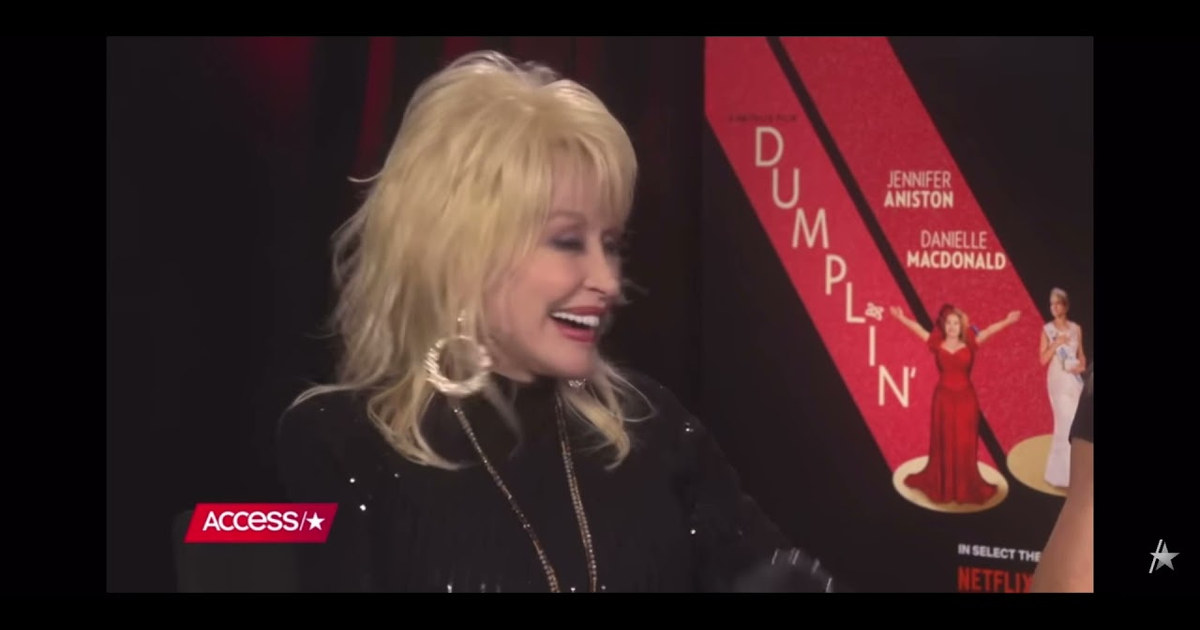
So you've probably heard the question by now: can humor really be a life raft? After watching Dolly Parton turn a scammer with a cane into a punchline, you might think the answer is yes—but that's aiming too low. Humor isn't just a life raft you cling to when the ship goes down. It's a yacht you build yourself, plank by plank, joke by joke. And Dolly? She's been sailing that thing for decades, from '9 to 5' (1980) to 'Dumplin'' (2018), and she's not just staying afloat—she's throwing parties on the deck.
Let's recap the three ways she does it. First, she processes pain by turning it into punchlines. That story about the old man who scammed her family at a restaurant? He didn't just walk away with a free meal—he became a bit. She paid his bill, confronted him, got beaten with a walking stick, and then turned the whole thing into a comedy routine. That's not just coping; that's alchemy. Second, she practices preemptive resilience. When asked what advice she'd give teenagers, she said, 'Act like it's raining every day and wear your rubbers.' That's not just a folksy aphorism—it's a philosophy. You prepare for the storm by expecting it, and you laugh at the thunder. Third, she deflects criticism. Remember the 'chicken shoving ahead of a duck's ass' line? That's her way of saying, 'I've heard worse, and I'm still here.' Each of these is a tool in the survival kit, and Dolly wields them like a pro.
But here's the thing: Dolly's humor isn't just about survival—it's about thriving. She's a cultural icon because she laughs at herself and the world, and she invites us to do the same. Her humor is inclusive, not divisive. She's not punching down; she's pulling everyone into the joke. That's why she resonates across generations, from country music fans to Hollywood royalty. She's the rare star who can make a joke about her own fake nails and still command respect. It's a kind of power that doesn't need to shout—it just laughs.
Think about Lucille Ball in 'I Love Lucy' (1951-1957). She used physical comedy and self-deprecation to connect with audiences, and her legacy endures because she made us feel like we were in on the joke. Dolly does the same thing, but with a twang and a wig. She's not afraid to look silly, and that fearlessness is infectious. When she tells a story about getting beaten with a cane, she's not asking for pity—she's inviting you to laugh at the absurdity of it all. And that laughter is a shared experience, a moment of connection that transcends the pain.
So next time life hands you a scammer with a cane, try laughing. It might not change the situation, but it changes you. That's the real answer to the question. Humor isn't just a life raft; it's a yacht you build yourself, and Dolly's been sailing it for years. She's shown us that comedy can be a source of joy, connection, and even power. And that's why she's not just a survivor—she's a thriver.
But wait—there's more. We've only scratched the surface of Dolly's humor. Next, we'll explore how it translates to her songwriting, and why 'Jolene' is funnier than you think. Trust us, you'll never hear that song the same way again.


