Part 1
The Question: Can Humor Really Be a Life Raft?
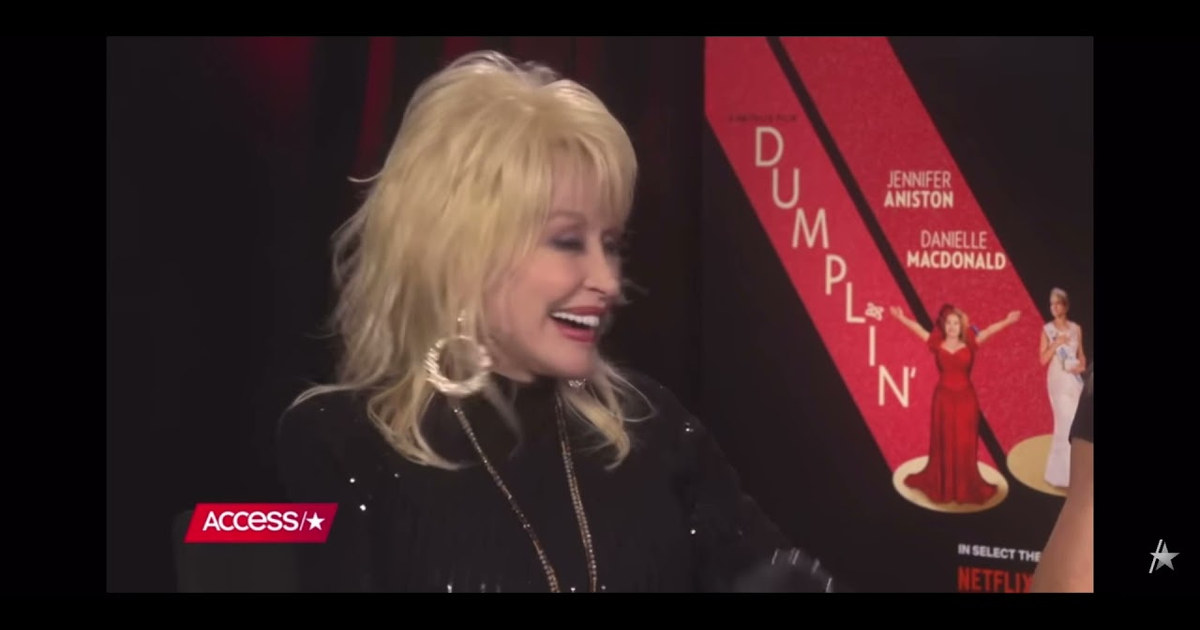
You've probably seen the clip. Dolly Parton, sitting across from a late-night host, telling a story about an old man who waddles over to her family's table at a restaurant, charms them, and then sticks them with his bill. She pays it. Later, she spots him on the street and politely tells him she'd have been happy to cover his meal. His response? He takes his walking stick and starts whacking her across the chest. Wham. Wham. Wham. She delivers the punchline—two lumps that never went down—and the room dissolves. It's a perfect joke: absurd, physical, and disarmingly human.
But here's the thing. That story isn't just funny. It's a window into something bigger. Dolly Parton has spent six decades in the public eye—through poverty, heartbreak, industry sexism, and the kind of fame that eats people alive. And she's still standing, still laughing, still cracking jokes about the guy who beat her with a cane. So the question isn't whether the story is funny. It's whether humor is more than a coping mechanism. Can it be a full-blown survival strategy?
Dolly herself has an answer. "Comedy is part of our being," she once said, "because it's kind of what helps you through the hard times." That's not a throwaway line. It's a thesis statement. And it raises a deeper question: Is comedy just a way to endure—a temporary anesthetic—or is it a proactive tool for resilience, something you wield before the hard times hit?
We've seen this question explored before. In Roberto Benigni's Life Is Beautiful (1997, 116 minutes), a father uses comedy to shield his son from the horrors of a concentration camp. The jokes aren't a distraction; they're a lifeline. The father isn't just coping—he's building a reality where his child can survive psychologically. That's humor as a deliberate, radical act. Similarly, Tig Notaro's legendary 2012 stand-up set—performed days after a cancer diagnosis—turned tragedy into catharsis. She didn't wait for the pain to pass. She walked on stage and made it funny, and in doing so, she took control.
Like Charlie Chaplin in The Great Dictator (1940, 125 minutes), Dolly uses laughter to disarm power. Chaplin mocked Hitler when the world was still afraid to. Dolly mocks the scammer, the critic, the industry executive who told her she wasn't pretty enough. She doesn't just survive the blow—she turns it into a bit. The cane becomes a prop. The lumps become a punchline. The power dynamic flips.
But is that just a performer's trick? Or can it work for the rest of us? That's the question at the heart of Dolly's comedy. And her life and career offer a case study. We'll examine three ways her humor functions as a survival tool—not just to get through the hard times, but to thrive in spite of them.
Laughing at the Unlaughable: How Dolly Turns Pain into Punchlines
There's a story Dolly Parton tells that starts like a joke and ends like a mugging. She's in a restaurant with her family. An old man wanders over, sits down, chats them up. They're all laughing. He leaves. When Dolly goes to pay, the cashier says, "Your grandpa left his bill here too." She says, "My grandpa?" The old man had scammed them. She pays it anyway. Then she spots him on the street corner and walks over to say, hey, I would've been happy to pay your bill, but you told them you were my grandpa. And he takes his walking stick and starts beating her across the chest. Wham. Wham. Wham. Two lumps rise. They never go down.
She tells this story on a talk show, and the audience howls. They don't howl because assault is funny. They howl because Dolly has done something alchemical: she's taken a genuinely upsetting, humiliating, physically painful experience and turned it into a comedy bit. The lumps are the punchline. The cane is the prop. The scam is the setup. And in that transformation, she demonstrates the core of her philosophy: "We made more fun of stuff that you know you shouldn't even laugh at but that was the funniest stuff."
This is not denial. It's not toxic positivity. It's a deliberate, sophisticated psychological move—one that psychologists have a name for, and one that some of the best dark comedies in film and television have been built on.
Benign Masochism: Why We Laugh at What Hurts
In psychology, there's a concept called benign masochism. It sounds kinky, but it's actually about how we seek out negative emotions in safe contexts. We ride roller coasters to feel fear without danger. We watch sad movies to feel grief without loss. We tell scary stories around campfires to feel dread without threat. And we laugh at jokes about pain, embarrassment, and injustice because the laughter gives us a controlled way to process those emotions.
Dolly's restaurant story is a masterclass in benign masochism. The audience experiences secondhand embarrassment, secondhand outrage, even secondhand pain—those lumps!—but because Dolly is standing there smiling, because she's framed it as a story, because she's alive and thriving and telling it on her terms, the audience gets to feel all those negative emotions without any real threat. The result is catharsis. And for Dolly, the result is power.
When you turn your trauma into a punchline, you take it out of the hands of the person who hurt you and put it into your own. The old man with the cane thought he was humiliating her. By retelling it as comedy, she humiliates him—or rather, she renders him absurd. He becomes a character, not a villain. A bit, not a wound. That's reclaiming power.


