Part 3
[[AD]]
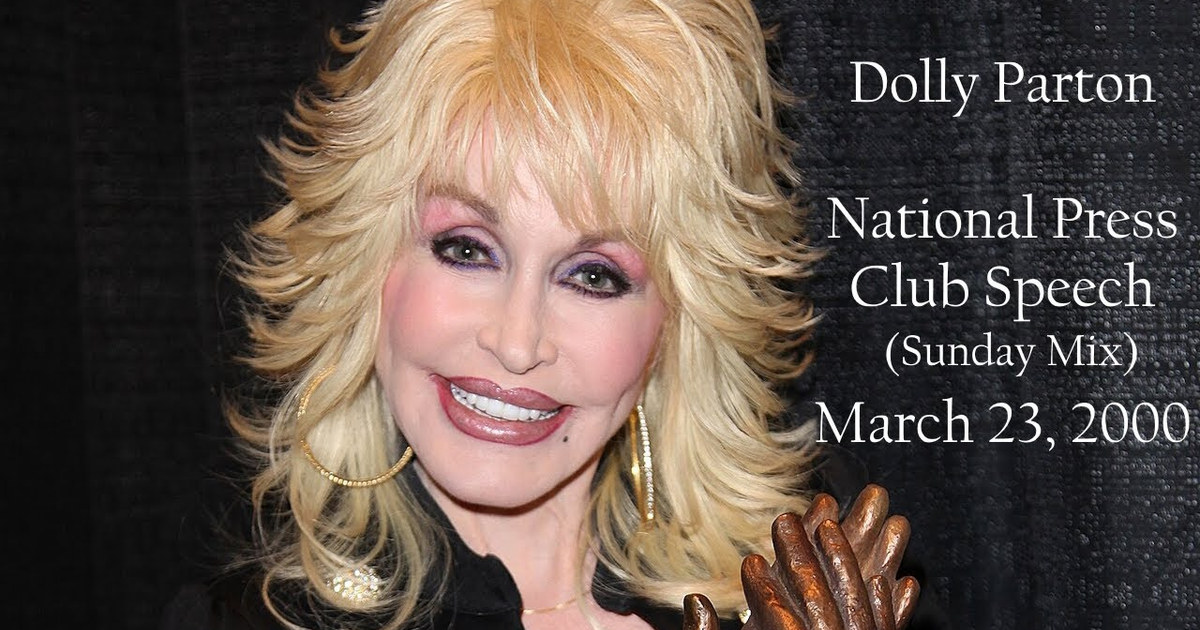
At that 2001 press conference, Dolly laid out the numbers like a product roadmap. The Dollywood Foundation had set its sights on a stubborn bug: a 30% high school dropout rate in her home county. Within five years, they’d slashed it to 6%. That’s not a feel-good anecdote; that’s a 80% reduction in a key metric. For the genre fan, it’s a redemption arc. For the craft nerd, it’s a proof of concept. Either way, you lean in.
The mechanism was the Imagination Library. One book per month, mailed to every registered child from birth until they start kindergarten. That’s 60 books by age five. The first one? *The Little Engine That Could*. Because of course it is. The book arrives in a special bookcase shaped like a train—a physical artifact that turns a bookshelf into a story. If you’ve ever debugged a system by tracing the data flow, you’ll appreciate the elegance: consistent input, predictable output, and a feedback loop that parents and kids actually want to engage with.
But here’s where the genre fan and the craft enthusiast converge. Dolly didn’t just write a check. She built a distribution network. She leveraged the Dollywood brand—the park, the Stampede—to fund and promote it. In 2001, she announced a $7 million donation from Dixie Stampede to expand the Imagination Library. That’s not charity; that’s capital allocation. And it’s the same instinct that put a fourth Dixie Stampede in Orlando and a fifth on the Gold Coast. The woman runs a vertically integrated entertainment machine, and she routes the profits into human capital.
If you’re here for the music, though, you know the Imagination Library has a backstory that’s pure Dolly. She grew up in the Smokies, one of 12 kids—six girls, six boys—in a three-room house with a path. Running water meant you ran to get it. Books were scarce. “Homework to me was like milking two cows, slopping four hogs, gathering eggs, bringing in water,” she said. Her father was illiterate. Her mother read the Bible aloud. That single book was the only one always in the house, and it planted the seed. “It was from my mom’s reading that made me realize just how important it is for parents to read to their kids,” she said. That’s the origin story. That’s the why.
And then there’s the coat. You know the song. “Coat of Many Colors.” Dolly wrote it about a coat her mother made from scraps of fabric. The kids at school laughed at her. She felt shame. But the song—released in 1971 on the album of the same name—turned that shame into a badge of honor. It’s a three-minute masterclass in narrative alchemy. For the genre fan, it’s a tearjerker with a hook. For the craft enthusiast, it’s a case study in turning personal pain into universal art. The song didn’t just heal her; it built a bridge to everyone who’s ever felt othered. That’s branding you can’t fake.
So how does this satisfy both audiences at once? The genre fan gets the storytelling: the poor kid, the laughing classmates, the mother’s love, the Bible, the train-shaped bookcase. It’s a narrative arc with a beginning, middle, and end. The craft enthusiast gets the strategy: a foundation that moves metrics, a donation that scales a program, a business empire that funds it all. Dolly doesn’t choose between heart and head. She runs them in parallel.
That’s the takeaway. Authenticity isn’t a buzzword; it’s an architecture. Dolly Parton built a brand by being exactly who she is—the joke-telling, rhinestone-wearing, business-savvy, book-giving hillbilly. The Imagination Library now mails millions of books a year, but in 2001 it was still a startup. And she pitched it like a founder: here’s the problem, here’s the solution, here’s the funding. The coat of many colors was never just a coat. It was a prototype for a life that turns scraps into something warm.
Next time, we’ll dig into her entertainment ventures—the TV movies, the production company Southern Light, and that *9 to 5* energy that never went out of style. Because if you think the philanthropy is impressive, wait until you see the balance sheet on her creative output. Dolly doesn’t just satisfy both audiences; she makes them buy a season pass.


