Part 3
So is Dolly a feminist? She’d say she’s just a woman who knows her worth—and expects you to know yours. She’s not interested in fighting labels. She’s interested in results. And the results speak for themselves: a hit movie, an anthem, a theme park, a legacy of lifting up working people. That’s not just feminism. That’s Dolly-ism. And it’s a philosophy anyone can get behind.
The Glitz, the Hair, and the Humor: Dolly's Public Persona as Armor
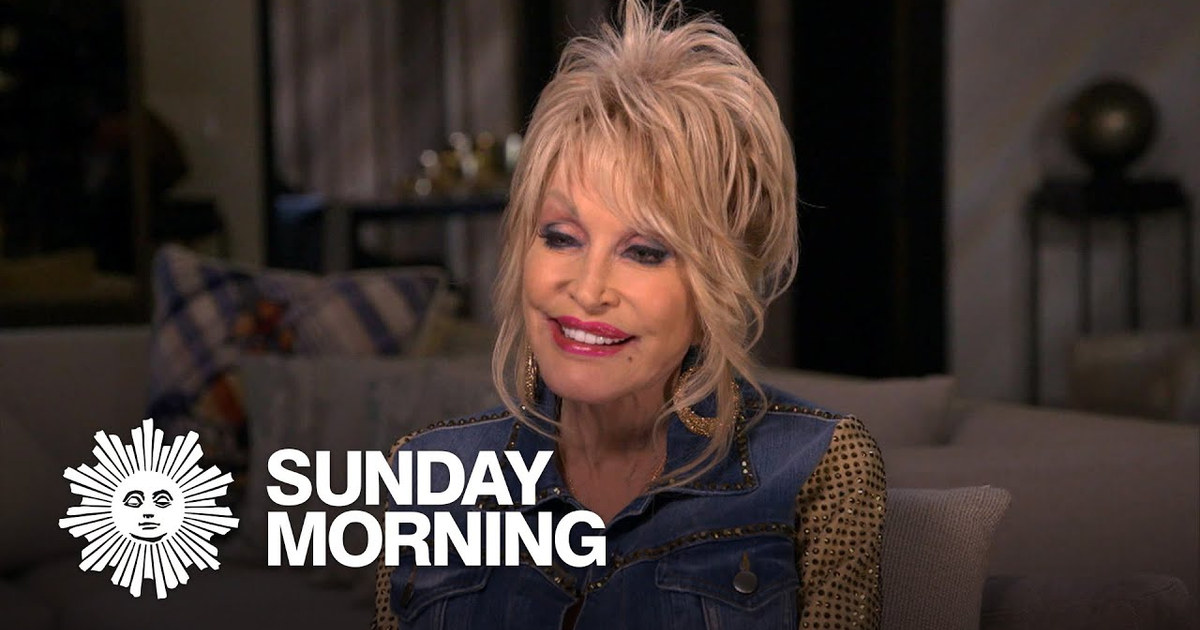
Stop four on our tour. Look at the hair first. It's not just hair. It's architecture. It's a statement. It's the kind of hair that enters a room three seconds before Dolly does. And that's the point. Dolly Parton has spent five decades building an image so bright, so big, so unapologetically artificial that it practically dares you to underestimate her. She wants you to. Because while you're staring at the wig, she's already written three more songs, closed a business deal, and mailed a million books to children who need them.
Let's talk about the look. Dolly has never hidden her cosmetic surgery. She's joked about it for years. "It takes a lot of money to look this cheap," she says, and the line lands because it's both self-deprecating and completely true. She's not cheap. She's one of the most successful entertainers in American history. But she knows that the rhinestones and the big hair and the impossible waistlines read as "cheap" to some people. So she beats them to the punchline.
Where does the look come from? Dolly has a simple answer: "My look is really based on a country girl's idea of glam." She grew up poor in rural Tennessee, the fourth of twelve children. The town tramp, as she's called her, was the most glamorous woman she knew. That's the blueprint. Not Hollywood. Not Paris. A small-town girl's dream of what it means to be beautiful. And she's never apologized for it.
But here's where the armor comes in. Dolly uses humor like a shield. When critics sneer at her appearance, she disarms them with jokes. "How long does it take to do your hair?" someone asks. "I wouldn't know, I'm never there." "Are they real?" someone else asks, meaning her breasts. "They're real expensive." She takes the question they're too embarrassed to ask and makes it her own punchline. You can't mock someone who's already laughing at herself. That's the trick. That's the strategy.
In 2008, Dolly released a song called "Backwoods Barbie." The title says everything. The lyric says even more: "Don't be fooled by thinking that the goods are not all there." She's admitting she looks artificial. She knows the hair is fake. The nails are fake. The boobs are fake. But the woman underneath? Totally real. The song is a warning. Don't confuse the packaging for the product. Don't assume the blonde bombshell can't also be the business genius.
Why does Dolly laugh at herself? Because she knows that if you don't define your own image, someone else will. She took control of her narrative before that was even a phrase people used. She looked at the country music industry, which wanted to mold her into something palatable, and she said no. I'll be the one who decides what I look like. I'll be the one who decides what I sound like. And if you don't like it, I'll make a joke about it and keep going.
[[AD]]
Now connect the image to the empire. Dollywood isn't just a theme park. It's a brand extension. It's the physical manifestation of everything Dolly represents: down-home charm, family fun, and a whole lot of sparkle. Her production company has backed films and TV shows. Her Imagination Library has mailed over 200 million books to children around the world. The glitz gets your attention. The philanthropy keeps it.
She's sold more than 100 million albums. She's won a shelf full of Grammys. She's written thousands of songs, including "I Will Always Love You," which became a global sensation when Whitney Houston recorded it for The Bodyguard in 1992. Dolly's response to people who think it's Whitney's song? "I always say she can have the credit because I get my cash." That's the humor again. That's the armor. She's not bitter. She's not precious about her art. She's practical. She's funny. She's in on the joke.
And that's the thing about Dolly's public persona. It's not a mask. It's a megaphone. The big hair and the bright lipstick and the jokes about her plastic surgery are all ways of saying: I know what you see. But you don't know what I'm capable of. She's been underestimated her whole life. As a woman in country music. As a songwriter. As a businesswoman. As a philanthropist. The image is the distraction. The substance is the songs. The substance is the books. The substance is the legacy.
So why does she keep up the act? Because it's not an act. It's her. The country girl who dreamed of glamour and then built it with her own hands. The working girl who never forgot where she came from. The legend who still writes every day because, as she says, "It's my therapy. My little guitar is my friend." She's 73 years old and she's still at it, 24/7, one song at a time. The hair might be fake. The hustle is real.


