Part 1
The 18-Year-Old Who Lit Herself: Dolly Parton's Nashville Arrival as a Masterclass in Self-Direction
Dolly Parton didn't just arrive in Nashville—she arrived pre-lit. That's the thesis. And if you've ever stood behind a camera, you know exactly what that means. Most people walk into a room and hope the light finds them. Dolly walked off a Greyhound bus in 1964, 18 years old, two boyfriends left back home in Tennessee, and she was already running her own lighting rig. She had designed the key light, the fill, the backlight, and the lens before she ever stepped foot on Music Row. That's not luck. That's craft.
Picture the scene. It's 1964. Nashville is the country music machine—Monument Records, RCA Studio B, the Grand Ole Opry, a town built on three chords and the truth. Dolly gets off the bus with a guitar and a look that would stop traffic. Within hours—hours—she meets a man named Carl Dean outside the Wishy Washy Laundromat. She'd just sworn off boyfriends. The first thing she does is find one. But that's a detail for the biographers. The real story is what she was wearing and why. Because Dolly Parton didn't stumble into her image. She built it the way a cinematographer builds a shot: deliberately, technically, and with full knowledge of what the audience would see.
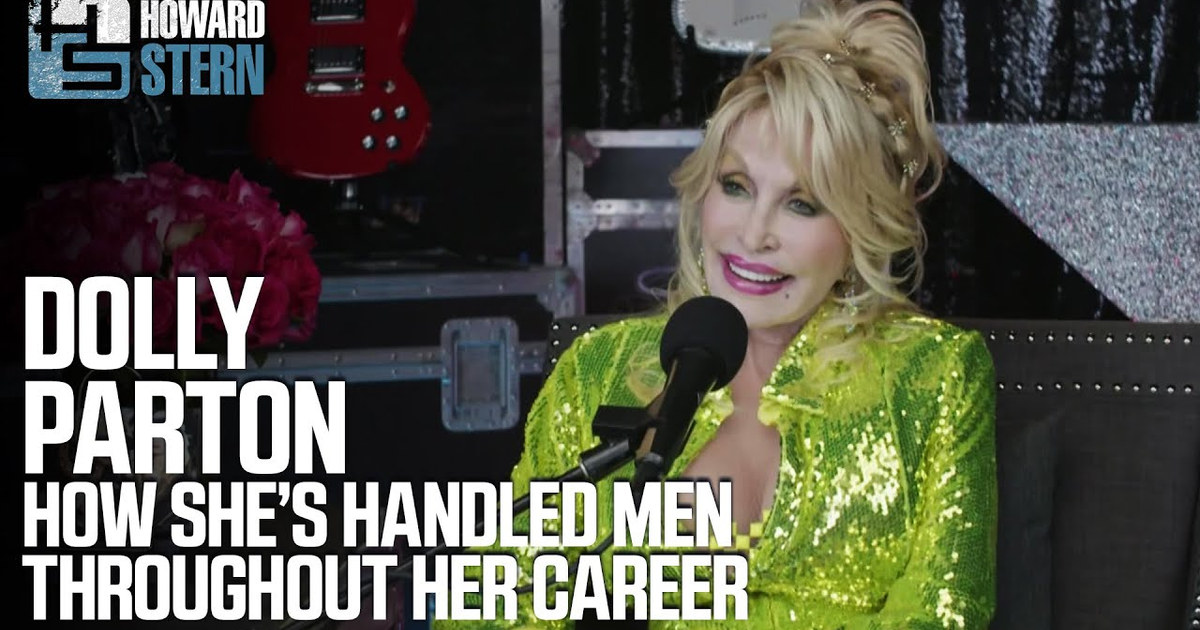
Let's talk about that look. The piled-high blonde wig. The tight clothes. The makeup applied like armor. A lot of people at the time—and a lot of people since—assumed it was naive. A country girl dressing up for the big city. They were wrong. Dolly has said it herself: 'I look like a woman but I think like a man.' That's not a punchline. That's a technical readout. She understood that the camera—whether it's a film camera or the human eye—makes immediate judgments based on appearance. So she chose her appearance the way a DP chooses a lens. She went wide. A 14mm wide-angle persona. Impossible to ignore. Distorting expectations. Making everyone in the room feel like they were standing too close to something larger than life.
But here's the thing about a 14mm lens: it exaggerates the foreground and shrinks the background. Men in the industry saw the blonde bombshell and assumed the background was empty. They saw a rube. Fred Foster at Monument Records, the man who would eventually pair her with Curly Putman to write 'Dumb Blonde,' saw the look and made a bet. Not on her mind—on her image. And Dolly let him. Because she knew something they didn't: she was running a dual-lens setup. Externally, the 14mm wide-angle. Internally, a 50mm prime. Sharp. Honest. No distortion. She saw the frame exactly as it was, and she knew exactly where she was standing in it.
This is the pivot that separates Dolly Parton from every cautionary tale in the music business. When men made offers—come out to dinner, have a few drinks, let's talk about your career—she didn't take the bait. And she didn't burn bridges. She just held the frame. 'I never slept with anybody to get ahead,' she's said. 'If I slept with somebody, it's because I wanted to.' That's not just a moral stance. That's a business strategy. She understood that the moment she traded her autonomy for access, she'd lose control of the image. And the image was the product. She was the director, the DP, and the star. Nobody else was getting a credit.
Think about what that means in 1964 Nashville. This is a town where women were often marketed as decoration. The industry machine was built by men, for men, and the women who succeeded were usually the ones who played by the rules. Dolly didn't play by the rules. She rewrote the call sheet. She walked into Monument Records with a persona so fully realized that it functioned like a pre-rigged lighting setup. Every interview, every photo op, every stage entrance was already lit. Fred Foster might have thought he was signing a blonde. He was actually signing a one-woman production crew.
And that's the part that gets lost when people talk about Dolly Parton's early days. They focus on the wigs, the jokes, the 'dumb blonde' shtick. But watch the way she moves in those early clips. Watch the way she answers questions. She's not defensive. She's not trying to prove she's smart. She's just... operating. Like a DP who knows the camera is rolling and doesn't need to announce it. She understood that self-invention isn't vanity. It's craft. You build the look, you build the sound, you build the story. Then you step in front of it and let it work.
There's a moment in every cinematographer's career when you realize that the audience doesn't see the lights. They see the result. Dolly Parton figured that out at 18. She didn't wait for someone to hand her a look. She built her own lighting rig before she ever stepped into a recording booth. And when she finally did step into that booth—when she recorded 'Dumb Blonde' at 19—she was already a fully formed artist. The song wasn't a debut. It was a declaration. But that's the next section.
For now, just remember the image: an 18-year-old girl stepping off a bus in Nashville, 1964, with two boyfriends in her rearview and a husband in her immediate future. She looked like a woman. She thought like a man. And she lit herself like a pro. That's not a coincidence. That's a masterclass in self-direction.


