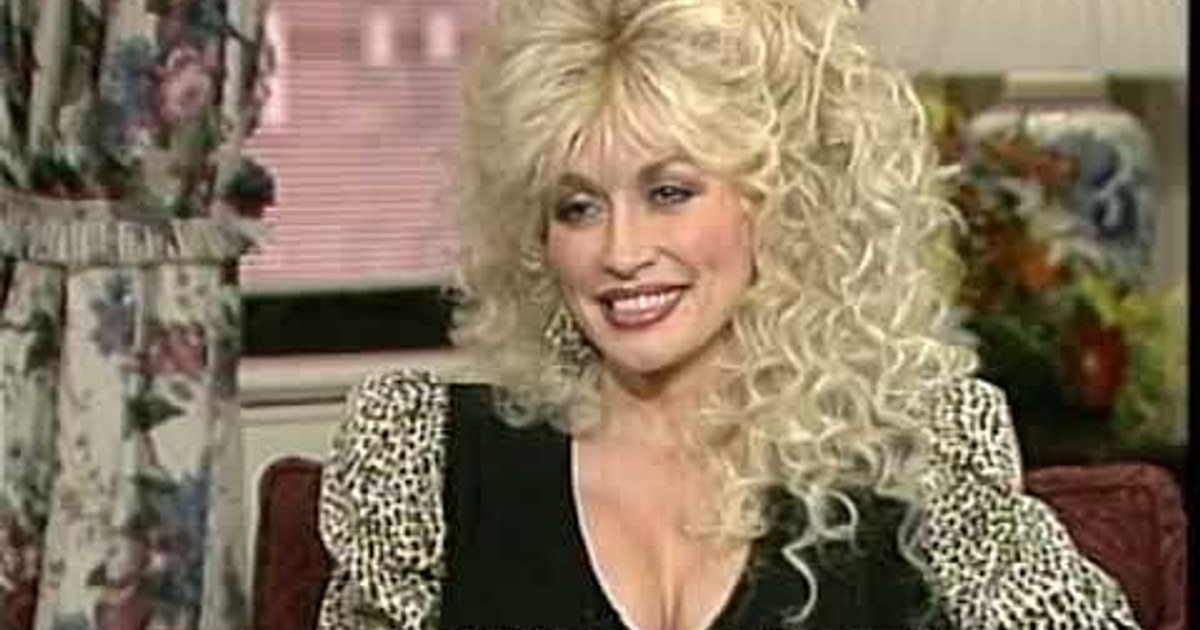
Dolly Parton's performance as Truvy Jones in Steel Magnolias proves that authentic screen presence cuts through theatrical melodrama faster and cleaner than any camera package Hollywood can mount.
When you spend enough years behind a Panaflex 35mm camera, you learn to spot the exact moment an actor stops acting and starts letting the lens drink them in. You can dial in the softest Mitchell diffusion, bounce an HMI through four-by-four unbleached muslin, and float a key light right into their pupils, but none of that glass matters if there is no genuine life behind the iris.
Looking back at the production history of the 1989 classic, director Herbert Ross set up shop right in Natchitoches, Louisiana. Hollywood usually loves to treat the American South as a cartoonish backdrop, lighting it like a dusty backlot or dialing up sweaty decadence. Yet Dolly stepped right into the frame and anchored the entire film with unapologetic, razor-sharp reality.
[[AD]]
Framing the Big Southern Wedding Without the Caricature
The camera pushes through the pastel overload of Shelby's wedding reception, where shades of blush and bashful threaten to blowout every highlight on the film stock. It is an aesthetic choice tuned up to eleven, the kind of spectacle that lazy critics often mistake for cheap parody.
A lesser production would have played that sequence for sneering laughs, letting wide-angle lenses distort the guests into country stereotypes. But as Dolly pointed out during her press run for the movie, when Southern folk celebrate, they go all out on purpose. Overdoing a wedding is not ignorance—it is an intentional, joyful celebration.
For decades, studio productions either painted the region as backward and uneducated or steeped it in dark, gothic rot. Dolly understood that Truvy's world was neither. She protected the material by treating the big hair, bright fingernails, and towering floral arrangements as sincere expressions of community rather than punchlines.
[[AD]]
Holding the Eyeline Against Three Academy Award Winners
Truvy plants her feet by the salon swivel chair, can of hairspray in hand, catching the key light dead center while trading rapid-fire barbs with Sally Field and Shirley MacLaine. That two-shot is high-stakes filmmaking; you are framing an unpolished musician opposite heavy-hitting Oscar royalty on medium lenses where every micro-expression gets magnified.
On paper, putting a country music icon into scenes with multiple Academy Award winners sounds like a setup for performance imbalance. Lesser performers would shrink into the background, letting MacLaine dominate the blocking or Field command the emotional rhythm. Dolly simply stood her ground because she understood her exact spatial value in the scene.
She famously confessed she never felt an ounce of intimidation walking onto that set. The producers cast her for the Dolly Parton persona—the trademark wigs, the wit, and the glamour—and she delivered precisely that. True screen power does not come from out-acting your scene partners; it comes from knowing who you are so completely that the camera has no choice but to hold you in focus.
[[AD]]
Borrowing Texture Straight from the Real Natchitoches Salon
Between camera setups and relocation moves, Dolly slips out of the production footprint, walks straight into an actual local beauty shop run by a woman named Liz, pops open an ice-cold Coke, and starts trading backstage gossip with the neighborhood regulars getting perms.
That is the kind of practical research you cannot storyboard. Liz was the real-life inspiration behind Truvy's character, a hardworking small-town beautician who knew every birth, death, and scandal in town. Instead of studying an actor's script analysis, Dolly absorbed the authentic rhythm of an actual salon floor.
By spending her downtime listening to local women and swapping Nashville tour tales, Dolly imported tangible Southern texture directly onto the soundstage. You can see it in how she handles her tools on camera—the casual towel flips, the instinctive comb taps, and the effortless way she uses gossip to soothe frayed nerves.
[[AD]]
That grounded approach stemmed from her wider outlook on life and celebrity. She treated Hollywood filmmaking with the same discipline as working a shift at a diner or a factory. When projects faltered—like her short-lived television variety show—she never took it as a personal defeat. She dusted off her boots, credited her faith, and stayed rooted.
[[VIDEO]]
What to Watch for on Your Next Rewatch
Next time you cue up Steel Magnolias, ignore the glossy production design for a second and keep your eyes locked on Truvy's eye line. Notice how Dolly never fights the lighting grid or rushes her delivery against heavy dramatic monologues. She lets the frame settle around her naturally.
Look closely at the salon mirrors during group scenes; while the scripted dialogue swirls around grief and small-town tension, Truvy stays busy in the background, working hair and catching practical rim light without dropping character for a single frame. That is not just star power—that is pure camera intuition.


