Part 1
Stop 1: The Hillbilly Word — A Masterclass in Reclaiming an Insult
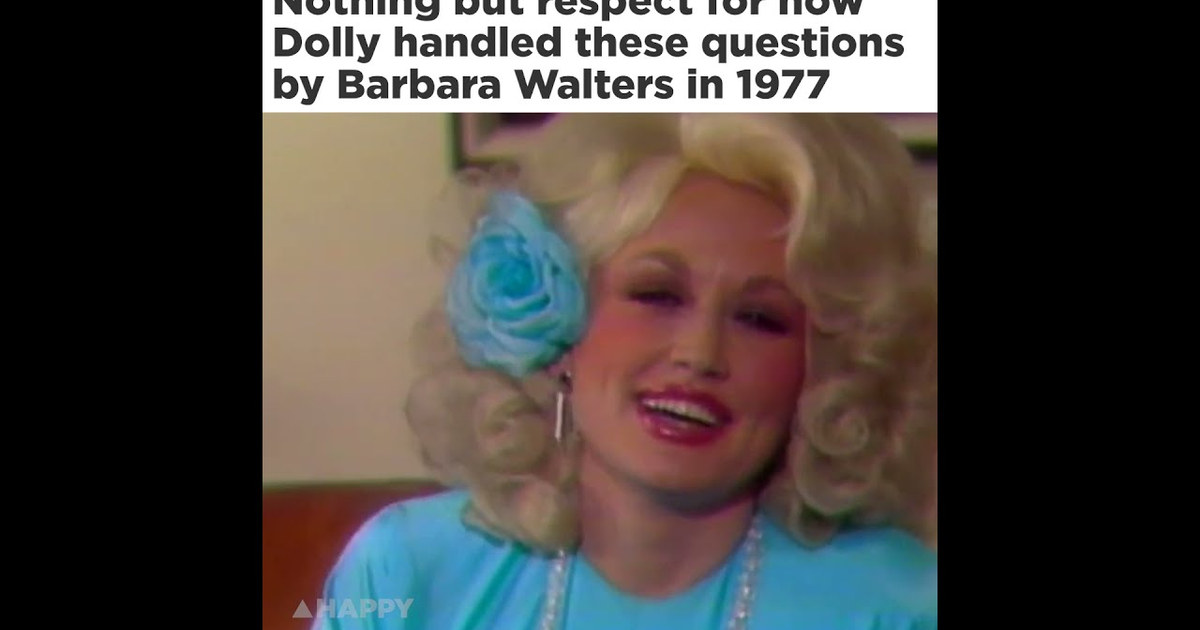
First, look at this: the shin-kick. Not a punch, not a lawsuit, not a lecture — a shin-kick. When an interviewer asked Dolly Parton whether he would have called her a hillbilly back where he came from, she didn't flinch. She smiled and said, "If you had, it would have been something very natural, but I would have probably kicked your shins or something." That's the whole thesis of Dolly Parton in one sentence. She takes the insult, holds it in her hand, and then tells you exactly what she'd do to your leg if you tried to pin it on her. It's playful. It's disarming. And it's a masterclass in reclaiming a word that was never meant to be kind.
So let's start the tour right here, with the word itself. Because before we get to the wigs, the husband, the business empire, or the theme park, we have to understand what Dolly was up against when she walked out of East Tennessee and into the national spotlight. And the word "hillbilly" is the perfect place to begin.
Dolly Rebecca Parton was born on January 19, 1946, in Sevierville, Tennessee — a small town tucked into the Great Smoky Mountains, the fourth of twelve children in a family that knew poverty the way most of us know our own phone number. Sevierville wasn't a punchline to her. It was home. And the people around her weren't caricatures. They were her aunts, uncles, cousins, neighbors — people who worked the land, raised children, sang in church, and got by on grit and generosity.
But to the rest of America in the 1960s, those people had a name. And it wasn't a nice one. "Hillbilly" was a label outsiders used, not one her people chose. It came loaded with assumptions: backward, uneducated, barefoot, moonshine-swilling, feud-having. It was a word that flattened a whole region into a joke. And Dolly, even as a young girl with big dreams and bigger hair, understood that better than anyone.
When the interviewer pressed her — "When I think of hillbillies, am I thinking of your kind of people?" — Dolly didn't dodge. She said, "I think you probably are." But then she drew the line. She explained that the people she grew up with were the ones outsiders turned into Li'l Abner and Daisy May — the cartoonish Appalachian characters from Al Capp's comic strip and the 1960s TV show "The Beverly Hillbillies" (CBS, 1962–1971), which turned mountain folks into prime-time comedy. "They took that kind of thing from people like us," she said. "But we were very proud people. People with a lot of class. It was country class, but it was a great deal of class."
That phrase — "country class" — is the key that unlocks the whole tour. It's not an oxymoron. It's a correction. Dolly is telling you that dignity doesn't require a diploma, a designer dress, or a zip code. It's something you carry in your bones. And she's not asking for your pity. She's asking for your respect. There's a difference.
Then she goes further. "Most of my people were not that educated," she says, "but they are very, very intelligent. Good common sense. Horse sense, we called it." Horse sense. Not book sense. Not Ivy League sense. Horse sense — the kind of intelligence that tells you when a storm is coming, when a deal is bad, when a neighbor needs help, when a stranger is lying. It's a deliberate alternative to formal education, and Dolly says it with zero apology. She's not saying her people were dumb. She's saying they were smart in a way that doesn't show up on a transcript. And that distinction matters.
Why does it matter? Because for decades, Appalachia was portrayed in pop culture as a place of ignorance and violence. The 1972 film "Deliverance," directed by John Boorman, cemented the image of mountain people as terrifying, inbred, and dangerous. It's a brilliant film — 109 minutes of tension and dread — but it did real damage to how America saw the region. Later, shows like "Justified" (FX, 2010–2015) tried to offer a more nuanced view, with complex mountain characters who were smart, funny, and morally complicated. But Dolly got there first. She got there in the 1960s, with a smile and a shin-kick threat.
And she didn't just talk about it. She sang it. In 1971, she released "Coat of Many Colors," a song about a patchwork coat her mother made her from rags, and the shame she felt when other kids laughed — and the pride she felt because it was made with love. It's a true story from her childhood in Sevierville. It's also a direct rebuttal to anyone who ever looked down on a poor kid from the mountains. The coat wasn't a symbol of poverty. It was a symbol of wealth — the wealth of a family that had nothing but gave everything.
Two years later, in 1973, she released "My Tennessee Mountain Home," an album and title track that painted her childhood not as a hardship but as an idyll. "I remember the old home place," she sings. "I remember the fields of clover." It's nostalgia, sure — but it's also reclamation. She's taking the same landscape that outsiders called backward and calling it beautiful. She's saying: this is where I'm from. This is who I am. And I wouldn't trade it.


