Part 4
That is the difference between a record and a ritual. A film is frozen the moment it is cut. Once Martin Scorsese locks the final edit on a picture — whether that is Raging Bull in 1980 or Killers of the Flower Moon in 2023 — the performance never changes again. The actor playing Carl says the same lines, hits the same marks, and the audience feels exactly what the edit tells them to feel. It is a document. A beautiful document, sometimes a masterpiece, but a document.
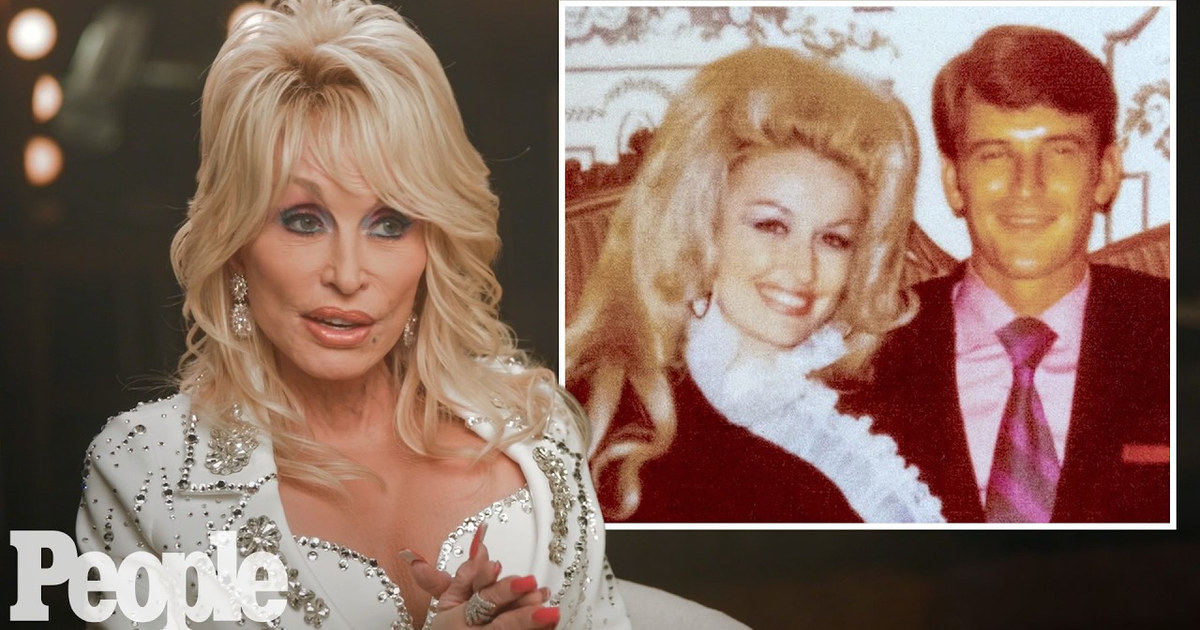
A musical is alive. The actress playing Carl says the same lines every night, but Dolly — and the audience — feels them differently. On opening night, the line lands one way. On a Tuesday in the middle of a long run, after a hard week, it lands another way. The performance is not a record. It is a ritual. And rituals are how human beings have always processed grief, from ancient Greece to a Broadway house on 45th Street.
Dolly put it plainly: "It's almost like he's never gone. So now he'll always be here — not just for me, but in the minds of other people." Read that last clause again. Not just for me. The musical does not only heal Dolly. It plants Carl in the minds of thousands of strangers who never met him. A biopic would do that too, but as a fixed image — a photograph you glance at once. The musical makes him a living presence that a new audience meets every single night.
The same goes for Judy. Dolly's best friend, Judy Ogle, has been by her side for roughly seventy years — since they were kids in Sevierville, Tennessee, long before the Grand Ole Opry, long before Porter Wagoner, long before "Jolene" or "9 to 5" or the Rock & Roll Hall of Fame induction in 2022. Seeing that friendship portrayed on stage, night after night, is not nostalgia. It is a living witness. A film would freeze Judy at one age in one scene. The stage lets seventy years of friendship breathe in real time.
Then there is the theme song: "I wouldn't be here if you hadn't been there." Dolly sings that line to her uncle Bill Owens, the man who took her to the Caswalker Show when she was about ten and told her he thought she was going to be a star. She sings it to her parents. She sings it to Sandy Gallin, her former manager who helped her break out of the Porter Wagoner era and into Hollywood. She sings it to God. She sings it to Judy. She sings it to Carl. And she sings it to the fans.
That is a communal experience. In a theater, the audience is part of that "you." The people in row F are not watching a story about gratitude — they are being thanked. They are inside the sentence. In a film, they are just watching. That is not a small distinction. It is the whole point.
Now here is the strongest case against me, and it is a good one. A biopic reaches millions more people. Broadway tickets in 2024 routinely run $100 to $300, and premium seats go far higher. A film streams everywhere — Netflix, Amazon Prime, Disney+, whatever platform wins the bidding war — for the price of a monthly subscription. If the goal is to share Dolly's story with the world, a biopic is more democratic. A musical is for the people who can get to New York or catch a touring production in a major city. That is a fair point. I am not going to pretend it is not.
But Dolly's goal was never reach. It was truth. She has said she wanted to tell her story "from me, my truth, not somebody else's." A biopic, no matter how good, is somebody else's. It is a screenwriter's interpretation, a director's vision, an editor's rhythm, a studio's notes. Even a great one — think Rocketman in 2019, or Elvis in 2022, or Bohemian Rhapsody in 2018 — is a collaboration that ultimately belongs to its filmmakers. The musical is hers. She chose the form. She shaped the songs. She is still here to walk into the theater and watch it happen.
And for an 80-year-old legend who is still working, still writing, still refusing to get old, that is the point. Dolly did not need a biopic to be famous. She is one of the most recognizable humans on the planet. What she needed was a way to tell her own story while she is still alive to tell it — and to make her husband, her best friend, and her uncle present tense for as long as the show runs.
Her philosophy has always been the same: "If you don't have the nerve to try it, you're never going to know." She tried the musical. The consensus said biopic. She proved the consensus wrong. And she is just getting started.


