Part 1
The Wig in the Tree: Dolly Parton Won't Ride Her Own Roller Coaster
She is laughing when she says it. That is the part that gets you — the laugh, tossed off easy, right before the confession sitting underneath it.
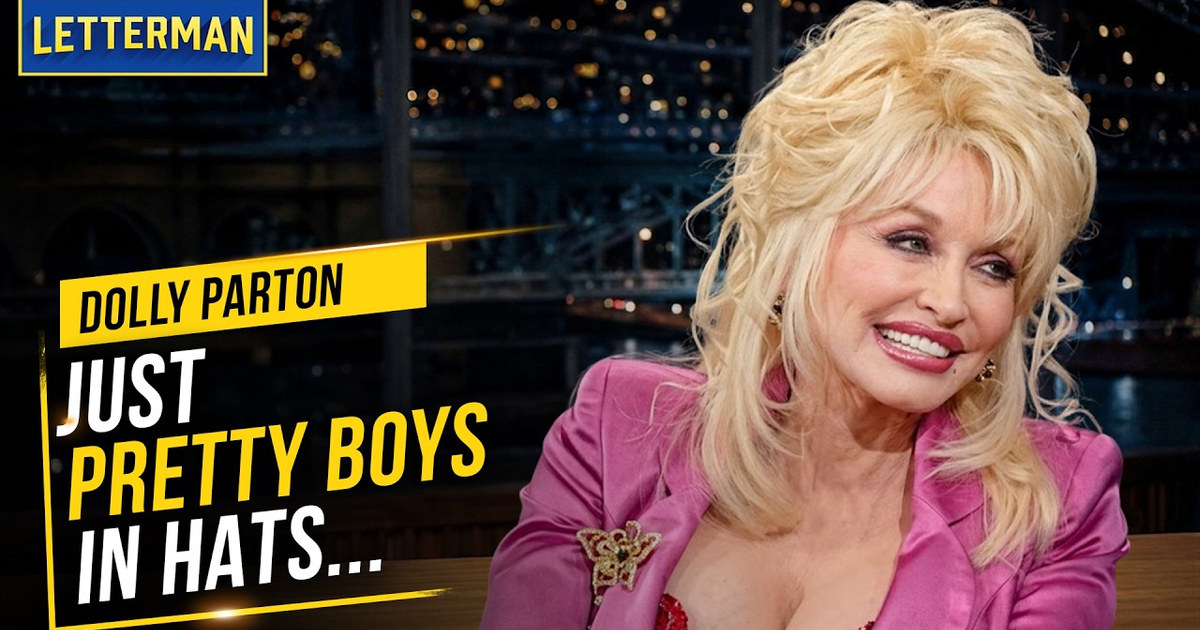
The couch is deep and bright, the kind that swallows you to the kneecap, and Dolly Parton is on it with one hand drifting up toward her hair — checking on it the way you check a smoke alarm — while she explains why she has never once strapped herself into her own roller coaster.
She is afraid, she says, that she will leave her hair somewhere in one of the trees at Dollywood.
The host cannot quite believe it. That delighted disbelief, half laugh, the sound of a man who has known her long enough to know she means it. The audience applauds. And somewhere south of that studio, on the Tennessee hillside where she built a town out of her own childhood, a ride called Daredevil Falls is dropping sixty feet straight down at fifty miles an hour — and the woman whose name is on the sign is the only person in the room who will not be getting on.
Sit with what she actually said. Not I'm scared of heights. Not coasters aren't my thing. She said the hair. She said the wig — the possibility that the golden architecture of Dolly Parton could come loose at the top of a drop and stay up there in the branches, snagged on a pine, waving at the crowd like a flag nobody meant to raise.
It is a small, vain, human confession, delivered as a punchline. It is also the clearest thing anyone has ever said about why we build theme parks at all.
She is on that couch to sell something, and she is very good at it. It is the thirteenth season at Dollywood — the host announces it like a headline — and there is a lot on the table. A parade on Friday night, the 17th. A grand opening, the 17th. A brand-new ride and a brand-new show.
The ride is Daredevil Falls. The show is Paradise Road, a Broadway-style musical of her life, staged so she can slot herself into the cast whenever she is in town. She jokes that it is easy to look like her: all you need is a good cheap wig and a push-up bra.
Then, ten seconds into the pitch, the pitch becomes a refusal. She will not ride the ride she came to sell. She says it flatly — she doesn't like to ride them, she is kind of scared of them — and the room decides that is good advertising anyway. The best line of the entire interview is the star declining her own product, and the fact that it works, that it makes you want to go more, is the whole Dolly Parton operating system compressed into one couch-sized exchange.
Ask her what actually goes on down there and she corrects your vocabulary first. It is not an amusement park, she says. It is a theme park. And when the host asks what that means, she gives an answer no publicist on earth would write: it is kind of like a culture center.
That is the mission statement, and she has held the line on it for a very long time. Dollywood exists, by her account, to preserve Smoky Mountain heritage — the food, the crafts, the music, the way people in these hills actually lived. The rides are real and she is proud of them. But the rides are the bait. The heritage is the point.
Listen to the list she runs down, because every item on it is a set piece. Music shows. Concerts every Sunday, with major, big-name celebrities walking out onto those stages. An active sawmill, where they genuinely sell lumber — firewood, if you want some, which may be the most Dollywood sentence ever spoken out loud. Craftsman's Valley, where the old trades are still practiced in daylight. A carriage shop whose hand-built carriages are ordered from all over the world. Performers dressed in period clothing, moving through the Smoky Mountains of a hundred years ago.
This is not a carnival with a logo. It is a period piece. It is a set you can walk onto and buy a funnel cake on. When she calls it a culture center, she is describing a preservation project with a parking lot attached.
Sixty Feet Straight Down, and She Is Not Getting On
Now the numbers, because she brings them with real pride. Daredevil Falls is, by her telling, the largest, fastest, highest waterfall ride in the country. The drop is sixty feet, straight down. The speed is fifty miles an hour.
The host, being a professional troublemaker, asks whether the thing has been certified. Well, I suppose so. He asks if she has ridden it. Not me. That is the comedy and it writes itself: the woman who built the mountain is standing at the bottom of it, holding her hair.
There is an honesty here no amount of marketing polish can manufacture. She will spend the next ten minutes telling you to come to the park. She will not be in the front car. You can sell a thrill without touching it, and she is proving it live, in front of applause.


