Part 2
And that laugh? That laugh is the sound of someone who knows exactly who she is. And she's not afraid to let you know it.
So when you watch this clip, don't just laugh. Listen. Listen to the beat. Listen to the rhythm. Listen to the threat behind the smile. That's Dolly Parton. That's the hillbilly. That's the class. That's the shin kick.
Next, we'll unpack the class line. The pride behind the punchline. And why this one exchange is a masterclass in owning your story. But first, hold on that laugh. It's the whole movie.
[[AD]]
'Country Class': The Pride Behind the Punchline
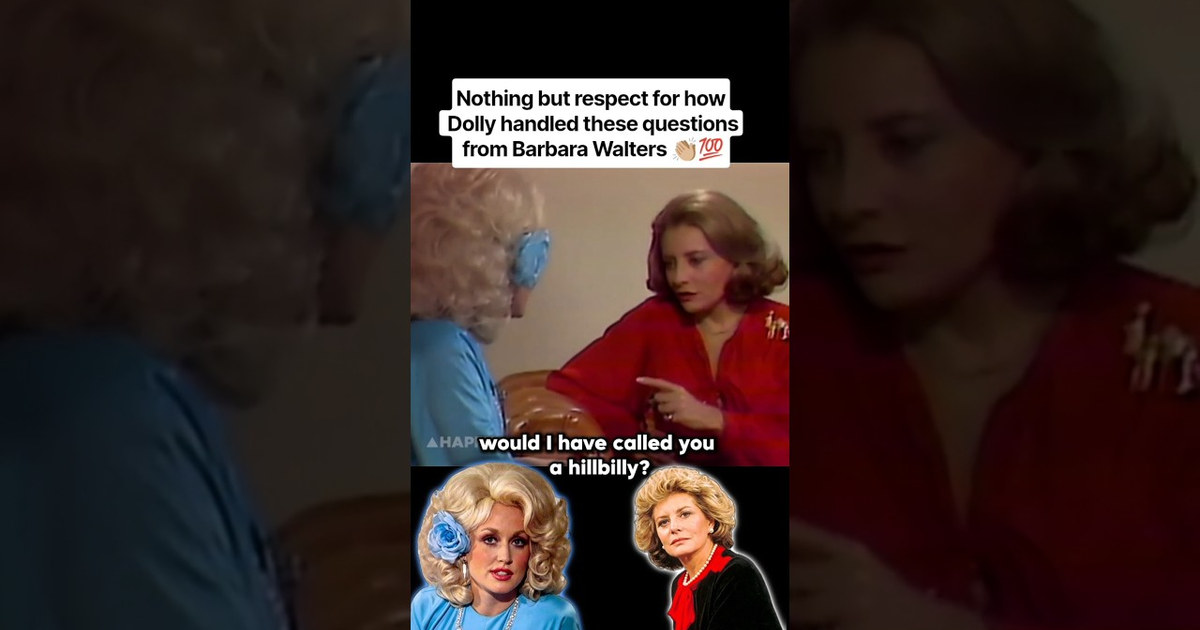
Cut back to the line. Dolly Parton, mid-interview, zero hesitation. The host asks if he’s thinking of her kind of people. She says, “You probably are.” No apology. No softening. Just a fact, delivered like a downbeat.
That’s the moment the whole exchange pivots. Before it, she’s joking about kicking shins. After it, she’s defining a whole class of people. And she does it in one breath.
She calls up the Lil Abner and Daisy Mae reference. Al Capp’s comic strip. The cartoon hillbillies. Barefoot. Backwoods. Broad. She doesn’t pretend that image doesn’t exist. She knows exactly what the world sees when it hears the word “hillbilly.”
But she doesn’t stop there. She doesn’t defend. She reframes.
“We were very proud people,” she says. “People with a lot of class. It was country class, but it was a great deal of class.”
Cut to the word “class.” Hold on it. Let it land. Because she’s not talking about money. She’s not talking about fancy degrees. She’s talking about something you can’t buy and you can’t fake.
Then cut to “horse sense.” That’s the tag. That’s the button on the scene. “Most of my people were not that educated,” she says, “but they are very, very intelligent, good common sense, horse sense we called it.”
That’s the whole thesis of her life in one sentence. And she delivers it like it’s nothing. Like it’s obvious. Because to her, it is.
Country class. Two words that shouldn’t need each other. But in Dolly’s world, they’re inseparable. It’s not a contradiction. It’s a definition.
She grew up in Sevier County, Tennessee. Appalachian roots. One of twelve kids. A one-room cabin. No running water. No electricity. That’s not a sob story. That’s a setup. Because from that dirt floor, she built an empire. And she never once pretended she came from somewhere else.
That’s the pride. Not the kind that shouts. The kind that stands still. The kind that says, “You probably are thinking of my kind of people.” And then smiles.
[[VIDEO]]
You want to see country class in action? Watch 9 to 5. 1980. Directed by Colin Higgins. Dolly plays Doralee Rhodes. A secretary. A boss’s target. A woman who gets even. She’s not playing a hillbilly. She’s playing a woman with horse sense. And she steals the movie. That’s country class.
Cut to 1982. The Best Little Whorehouse in Texas. Directed by Colin Higgins again. Dolly plays Miss Mona. A madam with a heart. A businesswoman with a moral code. She runs a brothel, but she runs it with dignity. That’s country class.
Cut to 1989. Steel Magnolias. Directed by Herbert Ross. Dolly plays Truvy Jones. A small-town beautician. She’s the glue. She’s the one who holds the women together. She’s not the richest. She’s not the most educated. But she’s the wisest. That’s country class.
Three films. Three decades. Same woman. Same truth. She doesn’t play characters who abandon where they came from. She plays characters who carry it with them. Like a pocketknife. Like a prayer.
And then there’s the music. From “Jolene” to “9 to 5” to “Here You Come Again.” From her 2022 Rockstar album, where she covered rock anthems with the biggest names in the business. She didn’t change. She just expanded. The accent stayed. The wit stayed. The horse sense stayed.
That’s the thing about Dolly. She never distanced herself. Not from the Smoky Mountains. Not from the word “hillbilly.” Not from the people who called her one.
She could have. Plenty do. They get famous. They get rich. They move to a coast. They change their voice. They change their story. They pretend the dirt road was a cul-de-sac.
Dolly didn’t. She doubled down. She built a theme park in her hometown. Dollywood. She started the Imagination Library. A program that mails free books to kids. Millions of books. Every month. Because she knows what it’s like to want to read and not have a library.
That’s not charity. That’s country class. That’s horse sense. That’s knowing that intelligence doesn’t come from a diploma. It comes from paying attention. From surviving. From listening to your grandmother.
She says it plain. “Most of my people were not that educated, but they are very, very intelligent.” That’s the line. That’s the whole thing. She’s not putting down education. She’s lifting up intelligence. The kind you can’t teach. The kind you earn.
And she calls it “horse sense.” Not “street smarts.” Not “common sense.” Horse sense. A rural term. A farming term. A term that says: you know how to read an animal. You know how to read a sky. You know how to read a person. That’s a skill. That’s a class.
Country class. It’s not about the clothes. It’s not about the car. It’s not about the house. It’s about how you treat people. It’s about whether you keep your word. It’s about whether you kick shins or shake hands.


