Part 4
What Dolly Parton's New York Story Teaches Us About Fame and Authenticity
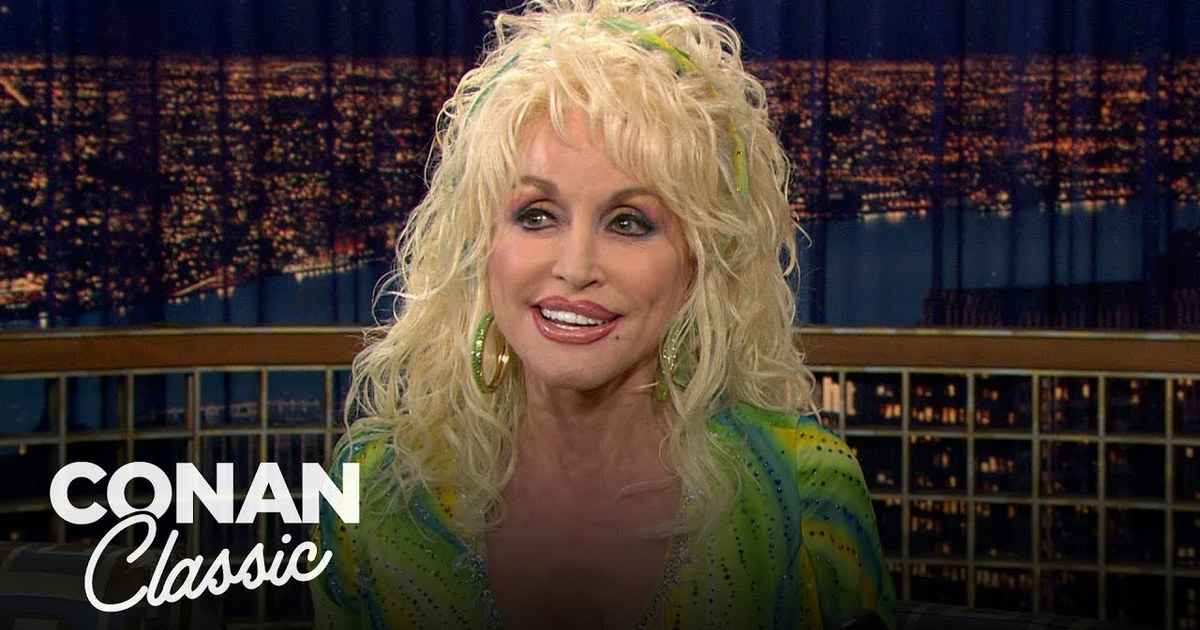
You have probably seen the clip by now: Dolly Parton, all tie-dye and Tennessee charm, telling a New York City story that ends with a gun, a giggle, and a punchline. It is funny. It is disarming. But it is not just a funny anecdote. It is a parable about staying true to yourself when the world is watching. And the question it raises is the one every icon eventually has to answer: how do you stay grounded when you are a global icon?
Dolly's answer is simple: remember where you came from, laugh at yourself, and keep your family close. The statue story and the gun story both show that she never forgot her roots. And that authenticity is why people love her. In a culture that rewards reinvention and punishes vulnerability, Dolly Parton has done the opposite. She has been in the spotlight for over 60 years. She has written thousands of songs, acted in films like 9 to 5 (1980) and Steel Magnolias (1989), and built an empire that includes Dollywood. Yet she remains approachable. How?
The Gun in the Purse: A Country Girl in the City
Let's go back to that New York story. It was the late '60s or early '70s. Dolly had just started making a name in country music. She and her friend Judy Ogle came to the city with little money. They checked into a hotel, and the management mistook them for hookers. They were locked out, their luggage was put in the hall, and they were left to wander. They ended up on 42nd Street, where a man wouldn't leave Dolly alone. So she pulled a gun from her purse and said, 'If you touch me one more time, I'm gonna shoot you.' He backed off. Then he laughed. Judy laughed. And the moment turned into a joke.
[[AD]]
That is not just a wild anecdote. It is a window into who Dolly was and who she remains. She was a country girl from the Smoky Mountains, and she didn't try to hide that. She carried a gun because that was part of her world. She didn't pretend to be a sophisticated city slicker. She was herself, even when that self was out of place. And that is the first lesson: authenticity is not about fitting in. It is about showing up as you are.
Compare that to the way most celebrities manage their image. They hire publicists, craft narratives, and present a polished version of themselves. Dolly has done the opposite. She has always been exaggerated—the hair, the makeup, the rhinestones—but that exaggeration is not a mask. It is a magnifying glass. She amplifies who she is. And when she tells a story about pulling a gun in New York, she isn't trying to seem tough. She is just telling the truth. That truth is what makes her relatable.
It also explains why the story ended up in 9 to 5. Dolly used the line 'I'll turn you from a rooster to a hen with one shot' in the film. She has said the writers based it on that story. That is the mark of an artist who doesn't separate her life from her work. Her experiences become her material. Her authenticity becomes her art.
The Statue and the Pigeons: Humility as a Defense
If the gun story shows Dolly's authenticity, the statue story shows her humility. Years ago, her hometown erected a bronze statue of her in the courthouse yard. She was proud. She bragged about it—not out of conceit, she says, but out of genuine pride. Her father listened and then said, 'I know that to your fans you may be some sort of an idol, but to the pigeons you're just another outhouse.'
That line is brutal and perfect. It is the kind of thing that keeps you grounded. Dolly's father wasn't trying to cut her down. He was reminding her that fame is a construct. To the world, she is a legend. To a pigeon, she is a perch. That perspective is everything. It is also why Dolly has survived the tabloids.
The tabloids have written crazy things about her for decades. They obsess over her breasts—claiming they are so big they are ruining her life, breaking her back, keeping her flat on her back. Dolly's response? She laughs. 'They are heavy,' she says. 'That's why I do so many Led Zeppelin songs.' She turns potential embarrassment into charm. She doesn't fight the narrative. She owns it, twists it, and makes it funny.
That is a masterclass in handling fame. Most celebrities either ignore the tabloids or sue them. Dolly jokes about them. She understands that outrage feeds the beast. Humor starves it. And by laughing at herself, she takes away the power of the story to hurt her. It is the same move she made with the gun story. She didn't hide it. She told it. She made it part of her legend.
The Question Reframed: How Do You Stay Grounded?
So how do you stay grounded when you are a global icon? Dolly's answer is not a secret formula. It is a set of habits. First, remember where you came from. Dolly never forgot the Smoky Mountains. She never forgot Judy Ogle. She never forgot her father's voice. Second, laugh at yourself. If you can't laugh at your own absurdity, you are doomed. Third, keep your family close. Dolly has often said her family is her support system. They remind her who she is when the world tries to tell her otherwise.
That is the real lesson of the New York story. It is not about a gun. It is about a girl who refused to be ashamed of where she came from. She was a country girl with a gun, and she didn't try to hide that. That authenticity is why people love her. It is why she has lasted. It is why she remains approachable even as she is revered.
In a world that wants to tear you down, humor and humility are the best defenses. Dolly Parton is a master of turning potential embarrassment into charm. Her New York story is a reminder that even icons have moments of vulnerability. The difference is that Dolly doesn't run from those moments. She invites them in, offers them a cup of coffee, and makes them laugh.
That is the final takeaway. Fame is not about being perfect. It is about being present. It is about showing up as yourself, again and again, until the world has no choice but to accept you. Dolly Parton has done that for over 60 years. She has written thousands of songs. She has acted in films like 9 to 5 and Steel Magnolias. She has built Dollywood. And she still tells stories about pulling a gun in New York. That is not a contradiction. That is the whole point.
In the next part, we will explore Dolly's songwriting process and how she turned her life into some of the most beloved songs of all time. From 'Jolene' to 'I Will Always Love You,' her pen has been as sharp as her wit. And the stories behind those songs are just as revealing as the ones she tells on late-night TV.


