Part 1
The Time Dolly Parton Pulled a Gun in New York
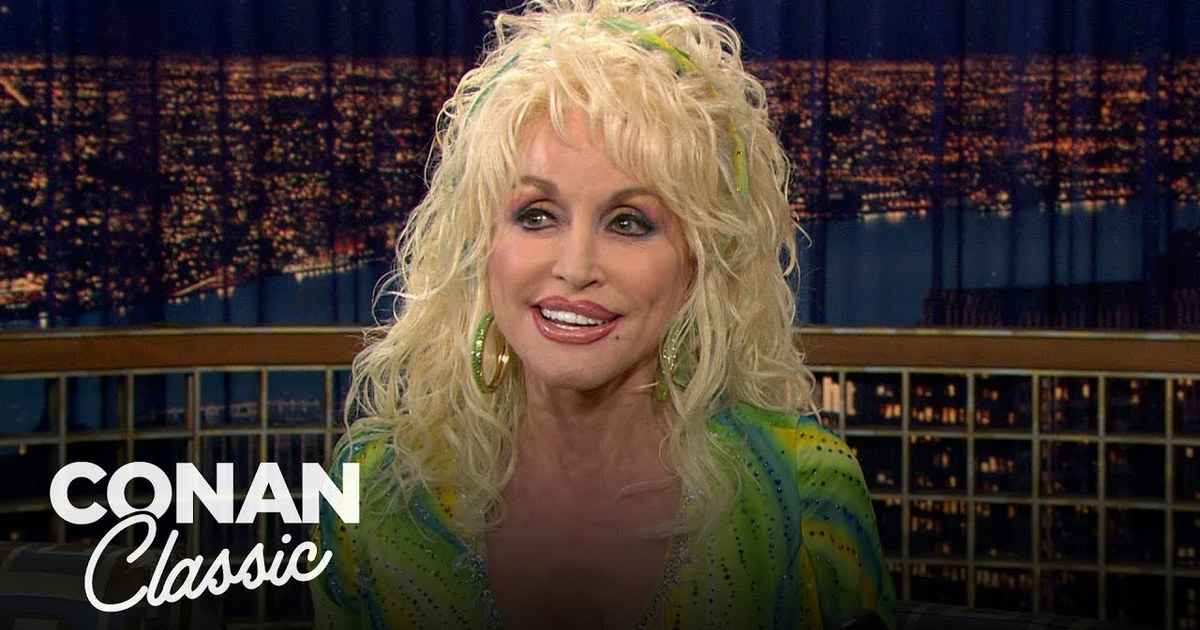
You have probably seen the clip by now: Dolly Parton, all rhinestones and warmth, sitting across from a late-night host, telling the story of the time she pulled a gun on a man in New York City. It gets a laugh. It always gets a laugh. But the story is more than a punchline. It is a window into how Dolly Parton navigates a world that has spent five decades underestimating her, fetishizing her, and occasionally trying to throw her luggage into the hall.
The year is somewhere in the late 1960s or early 1970s. Dolly is a young country singer from the Smoky Mountains of Tennessee, just starting to make it in Nashville. She and her childhood friend Judy Ogle decide to visit New York City, as many country girls dream of doing. They have little money. Dolly is just beginning to make it. They check into a hotel, sharing one room because that is what you do when you are young and broke and best friends since childhood.
The management takes one look at them and makes a decision. Dolly, as she tells it, looked cheaper then than she does now. Judy, in her words, didn't look any better. The hotel assumes they are sex workers. When Dolly and Judy return from looking around the city, they find their luggage out in the hall and themselves locked out of the room. The management has thrown them out.
They have no reservations back home. They ask if they can at least leave their stuff in the lobby. So they spend the night in the lobby, waiting for their bus. They are killing time, walking around, not knowing where they are. They wind up near what sounds like the Port Authority area, near 42nd Street. A man starts harassing them. He thinks they are on the make. He will not leave Dolly alone. He is sure she is playing hard to get.
Dolly is a country girl from the mountains. She has a gun in her purse. She pulls it out and says, "If you touch me one more time, I'm gonna shoot you." The man backs off. Then he laughs. Judy laughs. The tension breaks. He thinks it was a joke. As the host points out, when people in New York pull a gun, it usually doesn't end in giggling. But this is Dolly Parton. Even her threats turn into comedy.
That line—or a version of it—made it into 9 to 5, the 1980 workplace comedy directed by Colin Higgins, where Dolly plays Doralee Rhodes alongside Jane Fonda and Lily Tomlin. In the film, she tells her boss, "I'll turn you from a rooster to a hen with one shot." It is one of the most quoted lines in a movie full of them. Dolly has said she thinks they based it on that story she told. Whether or not that is literally true, the DNA is unmistakable. She took a real-life moment of grit and turned it into art.
This is not just a funny anecdote. It is a young woman learning to survive in a city that saw her as an outsider. It is a classic fish-out-of-water tale, but with a revolver. Compare it to Coal Miner's Daughter, the 1980 biopic of Loretta Lynn directed by Michael Apted, with Sissy Spacek winning an Oscar for her performance. That film follows a similar arc: a poor Appalachian girl escapes into music, moves to Nashville, and fights to be taken seriously. But Loretta's story, at least as filtered through Hollywood, is more romanticized. Dolly's story is rawer. It has a gun in it. It has a hotel manager who assumes the worst. It has a night in a lobby.
What makes the story land is not the gun. It is the fact that Dolly tells it with such good humor. She is not bitter about the hotel. She is not bitter about the man. She laughs at herself—"I looked cheaper then than I even do now"—and she laughs at the absurdity of it all. That is the Dolly Parton way. She has been underestimated her whole career, and she has turned every underestimation into a story, a song, or a punchline. She does not fight the world that misunderstands her. She outlasts it, and then she makes it laugh.
The story also reveals something about her relationship with New York. She says she loves New York now. She has been coming here for decades. But the first time, the city tried to throw her out. It locked her out of her room. It assumed she was a criminal. It sent a man to harass her. And she survived it with a gun in her purse and a friend who laughed. That is not just a fish-out-of-water tale. That is an origin story.
In the clip, the host says, "This is not the story I expected from you." That is the point. We expect Dolly Parton to be all sunshine and rhinestones. We forget that she grew up poor in the Smoky Mountains. We forget that she has been navigating a world that sexualizes her, dismisses her, and writes lies about her for fifty years. The gun story is a reminder that underneath the wigs and the jokes, there is a woman who knows how to take care of herself. She is not just a country girl who made it. She is a country girl who survived.


