Part 1
The Thesis: Dolly Parton Is a Lighting and Lens Problem Solved in Real Time
Dolly Parton has lasted 53 years because she treats her public image like a cinematographer treats a shot — she controls the light, the lens, and the frame, and she never lets the audience see the seams.
That’s not a metaphor. That’s a technical read. I’ve shot second unit on enough sets to know that a subject’s face under practicals tells you everything. You learn to watch how the light falls, how they hold their chin, how they refuse the wrong close-up. Dolly has been her own gaffer since the 1960s. She’s the one setting the key, the fill, and the backlight — and she’s been doing it for so long that the rest of us are just catching up.
The evidence base is absurd. 160 million records sold. 49 Grammy nominations, 9 wins. A half-billion-dollar empire that includes her own record label and Dollywood, the theme park she opened in 1986 in Pigeon Forge, Tennessee. And then there’s 9 to 5 — the 1980 film directed by Colin Higgins, runtime 109 minutes, co-starring Jane Fonda, Lily Tomlin, and Dabney Coleman. That movie didn’t just make her a box-office name; it gave her a character, Doralee Rhodes, who was written as a cartoon and played as a human being. That’s a framing choice.
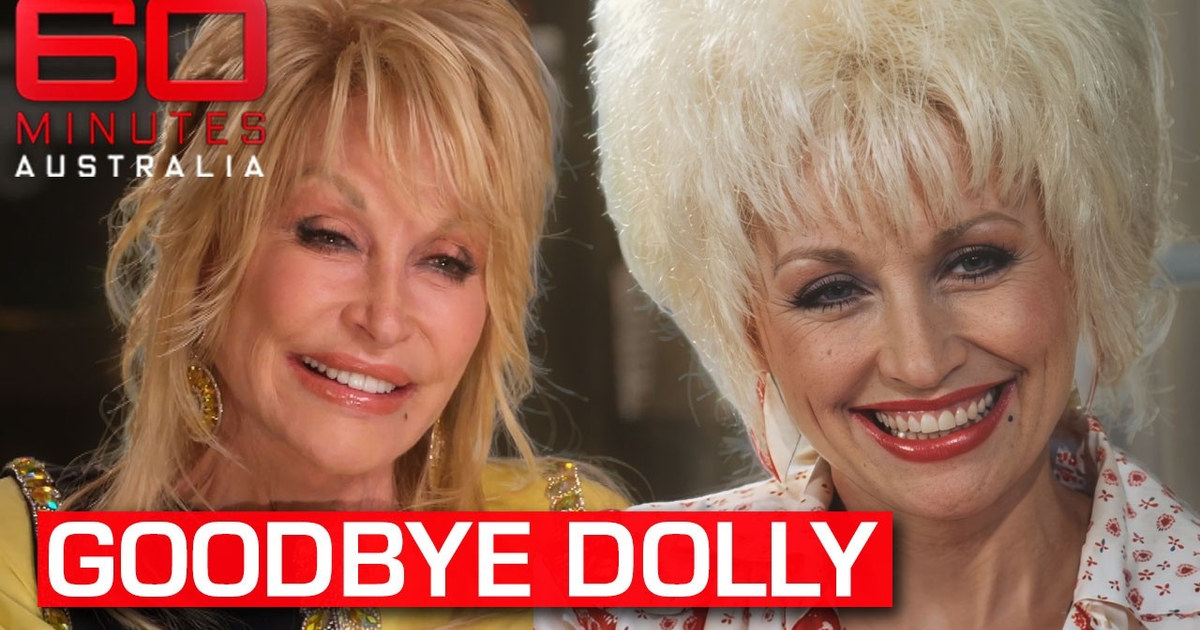
But the moment that proves the thesis is the 1986 60 Minutes interview with Mike Wallace. He asked about her measurements. She told him, “up yours, Buster.” That’s not a punchline. That’s a cinematographer refusing the wrong close-up. She knew exactly what lens he was trying to put on her, and she pulled the focus. You don’t get to frame me that way. I frame me.
When I’m behind the camera, I look for the tells. The blink rate. The jaw tension. The way someone tilts into a light they didn’t choose. Dolly never tilts. She’s always the one choosing. She says the secret is “good lighting, good makeup, and good doctors.” That’s a lighting department answer, not a vanity answer. A gaffer would say the same thing. You want to look good on camera? Control the light. You want to last 53 years? Control the frame.
That’s the argument. Now let me defend it with three scene beats — three different focal lengths on the same subject. First, the Wishywashy Washetia in 1964, where she met Carl Dean and learned how to frame a marriage without ever showing it. Second, the 9 to 5 typewriter nails — a practical effect that turned a working woman’s frustration into percussion. Third, Dollywood, the Playboy cover at 75, and her refusal to retire at 74 — the wide shot that tells you she’s not done yet.
By the end, you’ll know what to watch for the next time Dolly shows up on a Grammy stage or an Australian tour bus controversy. You’ll see the lighting cues. You’ll read the lens. You’ll understand why she’s still the most durable star in show business — and why the seams never show.
Scene One: The Wishywashy Washetia, 1964 — How to Frame a Marriage Without Showing It
Open on the beat: a 18-year-old Dolly Parton steps off a bus in Nashville, Tennessee, in 1964. She’s fresh out of high school, two boyfriends left back home, and zero interest in finding another. Her only focus is music. But on her very first day in town, she walks into a laundromat called the Wishywashy Washetia and meets a man named Carl Dean. That was 53 years ago. This coming May, they’ll hit 54. In an industry where marriages implode under the heat of a single key light, Dolly and Carl have built something that lasts. And as a cinematographer, I can tell you exactly why: it’s a masterclass in off-screen space.
Carl Dean is famously reclusive. He doesn’t do red carpets. He doesn’t do joint interviews. He doesn’t do reality TV. And that’s the point. Dolly has kept him out of the frame for over five decades. Think about what that means visually. In a reality show, the camera is always hunting for the reaction shot — the spouse in the corner, the eye roll, the silent judgment. It’s cheap drama. Dolly and Carl do the opposite. They give you nothing. And because you never get the full shot, you feel the presence more. It’s the same principle as shooting a character through a doorway or catching them in a reflection. The audience fills in the blanks. The mystery becomes the intimacy.
Look at Dolly’s film career. In 9 to 5 (1980), she holds her own against Jane Fonda and Lily Tomlin, with Dabney Coleman as the sleazy boss. That movie runs 109 minutes and turned her into a box-office draw. Then came The Best Little Whorehouse in Texas (1982), a musical comedy where she sang and sparred with Burt Reynolds. And in 1989, Steel Magnolias — 117 minutes of Southern women trading barbs and tears, with Dolly as the wisecracking Truvy. She earned Oscar, Golden Globe, and Emmy nominations across her career. But here’s the thing: she never let the red carpet become her marriage’s establishing shot. Carl was never trotted out for the cameras. That’s a deliberate composition choice.
Now bring in the 60 Minutes moment. 1986. Mike Wallace — and yes, the transcript says 'Mike Monroe,' but every film nerd knows it was Wallace — asks Dolly a question about her measurements. It’s the kind of question that would get a compliance review today. Dolly doesn’t blink. She says, 'Up yours, Buster.' That line would never make air now without a team of lawyers. But what it tells you is this: Dolly knows where the key light is. She knows who controls the dimmer. She’s not going to let a journalist turn her into a subject. She’s the director of her own image.


