Part 2
Ad
The Porter Wagoner Show: A Lighting Lesson in Rhinestones
Let’s go back to that 1968 episode. The Porter Wagoner Show ran from 1960 to 1981, syndicated across the U.S., and it was a showcase for country music’s most flamboyant costumes. Porter’s Nudie suits—made by Nudie Cohn, the tailor who dressed Elvis and Gram Parsons—were covered in rhinestones, beads, and embroidery. Dolly saw that and thought: I want that. She also saw Rose Maddox, the fiery country singer, wearing rhinestone clothes. That was the spark.
But here’s the cinematographer’s take: rhinestones are a lighting nightmare and a lighting dream. They’re specular highlights—tiny mirrors that catch every source. On a flat, low-budget TV set, they can look like noise. But when you light them with a hard key and a contrasting fill, they explode into starbursts. Dolly understood that instinctively. She wasn’t just wearing sparkle; she was wearing a practical effect. Every time she moved, the light changed. That’s dynamic range. That’s why she became the focal point of every frame, even when she was standing next to Porter.
[[AD]]
And she didn’t stop at rhinestones. She started bleaching her hair to get that bright, almost white-blonde look. But bleaching and teasing—backcombing, as they called it—damaged her hair. She was doing her own hair in high school, one of the few girls with a big bouffant. Her daddy raised bees, and some of those hairdos looked like a beehive. She joked that a family of something could live under there. But the damage was real. So she turned to hairpieces and falls. Then wigs. And when wigs became good enough to style, she felt set free.
That’s the key insight: wigs as a tool for creative control. A cinematographer doesn’t just use one lens. They use a set. Dolly’s wigs were her set. She could go from a country ballad to a pop crossover without changing her natural hair. She could match a wig to a gown, a wig to a mood, a wig to a lighting setup. That’s not fake. That’s craft.
Ad
Whipped Cream Curls and the Colleen Owens Collaboration
[[VIDEO]]
Fast forward to the 1970s. Dolly’s hair is longer, bigger, and in constant motion. She calls them whipped cream curls. If you’ve seen her perform “Jolene” live in 1974, you know the look: a halo of blonde curls that seems to defy gravity. That wasn’t an accident. Her hairdresser, Colleen Owens, made it even bigger because she thought Dolly was larger than life. That’s the star-stylist collaboration, the same way a director and cinematographer build a visual language. Owens didn’t just style hair; she amplified a persona.
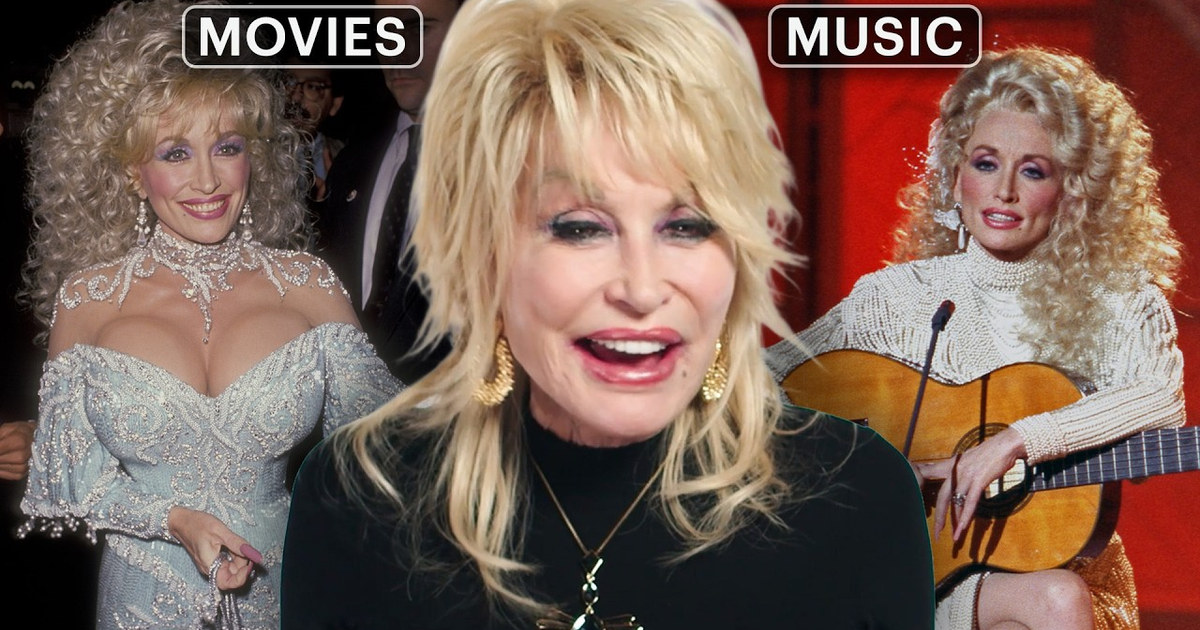
Think of the films of the 1970s that captured big hair and big energy: Nashville (1975, directed by Robert Altman, 160 minutes), where the camera roams and the performances feel raw. Or Coal Miner’s Daughter (1980, directed by Michael Apted, 125 minutes), where Sissy Spacek plays Dolly and the hair is a character in itself. Dolly’s own film debut was 9 to 5 (1980, directed by Colin Higgins, 109 minutes), where her wig and wardrobe are part of the comedy. She’s the secretary who becomes a boss, and her look evolves with her power. That’s visual storytelling.
But back to the ’70s. Dolly’s fashion philosophy was gaudy but flowy. She liked clothes that move with her, big sleeves, hiding a multitude of sins. She said she likes to feel her space, like she’s in a flyway. That’s movement and presence. As a cinematographer, I’d capture that with a Steadicam, following her through a crowd, or a wide shot that lets her own the stage. Think of the concert sequences in The Best Little Whorehouse in Texas (1982, directed by Colin Higgins, 114 minutes), where she moves through the frame like she’s weightless. That’s not just performance; that’s blocking for the camera.
And then there’s the quote: “It’s hard to be a diamond in a rhinestone world.” It’s from her song “Dumb Blonde” (1967) or maybe a later track—she’s said it in interviews. The point is she embraces shine and frills to draw attention. That’s intentional visual branding. She knows that in a crowded frame, the brightest object wins. So she made herself the brightest object. That’s not narcissism; that’s strategy.
Ad
What to Watch For: Movement, Light, and the Rhinestone Effect
So what do you watch for when you revisit Dolly in the ’60s and ’70s? First, watch her movement. She doesn’t just stand and sing. She glides, she turns, she lets the fabric and the hair follow her. That’s a Steadicam operator’s dream. Second, watch the light. Every rhinestone is a tiny reflector. When she’s lit with a hard key, she becomes a constellation. When she’s lit soft, she glows. Third, watch the collaboration. Colleen Owens didn’t just do hair; she built a silhouette. That’s the same way a cinematographer builds a look with a director.
And remember: Dolly’s wigs were her lenses. She could switch from a tight curl to a long fall to a bouffant in minutes. That’s creative control. That’s why she felt set free. She wasn’t hiding behind a wig; she was expanding her range. As she said, “I can still have it all even if it’s fake.” That’s not a confession; that’s a manifesto.
Next time you watch Dolly on The Porter Wagoner Show or in a 1970s concert film, look at how she uses shine and motion. Then ask yourself: how would you light that? How would you frame that? Because Dolly Parton didn’t just build a look. She built a visual language that any cinematographer would kill to shoot.


