Part 1
The Consensus: Dolly's Look Is a Costume — And That's Wrong
The consensus is that Dolly Parton's wigs, heels, and rhinestones are a costume, a facade she hides behind. I think that's wrong. Here's why.
It's easy to see the wigs and makeup as artificial, especially when Dolly herself jokes about it. She'll tell you she wears wigs because her real hair won't cooperate, heels because she's short, and long nails because she can't grow them. But that reading misses the point. These aren't disguises—they're solutions. And Dolly's own words prove it.
In her own words: "I've got little short stubby hands, so of course I'm gonna have long nails. I'm short, so I wear high heels. And my hair don't do what I wanted to, so I wear wigs. I can still have it all, even if it's fake." That's not shame—that's empowerment. She's not hiding; she's building exactly what she wants.
Think about that line: "I can still have it all, even if it's fake." It's a declaration of self-acceptance, not self-denial. Dolly isn't saying she's ashamed of her real hair or her height. She's saying she refuses to let biology dictate her aesthetic. That's the opposite of a mask. A mask hides who you are. Dolly's look amplifies who she is.
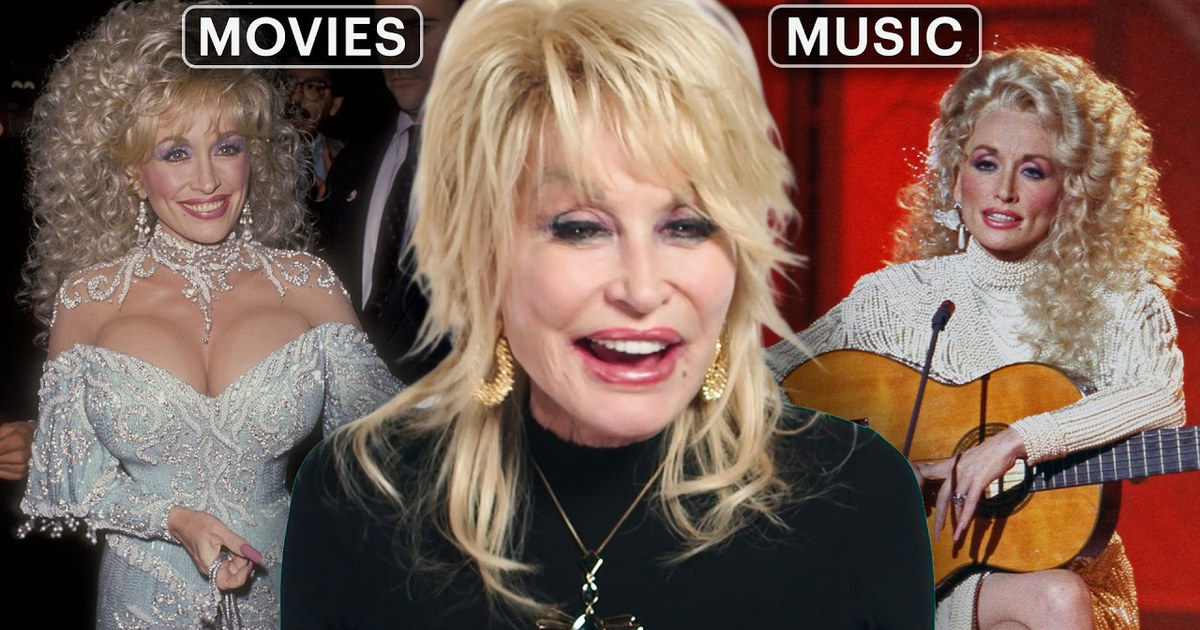
Take her 1970s look—the whipped cream curls, the big hair, the rhinestones. She didn't stumble into that. She built it. On The Porter Wagoner Show, which ran from 1967 to 1974, she was surrounded by country music's biggest stars. But she didn't just copy them. She took the rhinestone aesthetic she saw in performers like Rose Maddox and turned it up to eleven. She idolized the gaudy, flamboyant fashions and made them her own. As she says, "I take any of the fashions that I like, idolize them, gaudy, flamboyant, fun, comfortable for me, noticeable." That's not a costume. That's a curated identity.
And she's been consistent about it. In high school, she was one of the few girls with a big bouffant. Her daddy raised bees, and she jokes that some of those hairdos looked like a beehive—like a family of something could live under them. She was backcombing before it was cool. She played guitar all her life and never could grow her nails long, so when acrylic nails came out, she was first in line. These aren't random choices. They're deliberate responses to who she is and what she wants.
The consensus says the wig is a cage. I say it's a key. But we'll get to that. First, let's talk about why this supposed "costume" is actually a business—and why that's genius, not shallowness.
It’s Not Shallow — It’s Strategic: How Dolly Monetized Her Image
Critics love to say Dolly Parton’s style is all show and no substance. They see the wigs, the rhinestones, the heels, and they write it off as superficial. But that take misses the point. Dolly didn’t stumble into that look — she built it. And she built it on purpose. From her early days on The Porter Wagoner Show (1967–1974) to her solo career in the 1970s, she crafted a visual identity that made her impossible to forget. That wasn’t vanity. That was business.
Think about it: in the late ’60s, country music was full of men in suits and women in modest dresses. Dolly looked at Porter Wagoner’s nudie suits — those flashy, rhinestone-covered getups — and Rose Maddox’s bold outfits, and she didn’t just copy them. She elevated them. She took the sparkle and made it her own. As she says in the transcript, she wanted rhinestones. She saw the value of a distinctive look early on. And she ran with it.
That look became a brand. By the time she went solo in the ’70s, Dolly was instantly recognizable. You didn’t need to hear her voice to know it was her. The big blonde wigs, the tight dresses, the long nails — they were a logo. And like any smart businesswoman, she knew that a strong logo sells. It sells records, tickets, and merchandise. It sells the idea of Dolly before she even opens her mouth.
And she’s still at it. In the transcript, she mentions, “Someday I’m gonna have my own line of wigs and hair pieces.” That’s not a vanity project. That’s a smart extension of her brand. She’s been wearing wigs for decades — why not sell them? It’s the same move as a celebrity fragrance or a fashion line, but it’s perfectly on-brand for Dolly. She’s not just selling a product; she’s selling a piece of her image. And people will buy it because they want a piece of Dolly.
[[AD]]
Other stars have done the same. Madonna used her ever-changing look to stay ahead of the curve. Lady Gaga turned avant-garde fashion into art. But unlike some, Dolly never let the image overshadow her talent. She could wear a rhinestone jumpsuit and still deliver a heartbreaking ballad like “Jolene” or “I Will Always Love You.” The image was a door, not a distraction. It got people in the room, and then her voice kept them there.
So no, Dolly’s style isn’t shallow. It’s strategic. She understood early that in entertainment, image is part of the art. And she used it to build an empire. That’s not superficial — that’s genius.
[[VIDEO]]
But wait — isn’t there a risk that the image becomes a cage? That’s the strongest counterargument, and we’ll tackle it next.


