Part 1
The Dolly Parton Fax Machine: A Masterclass in Analog Connection
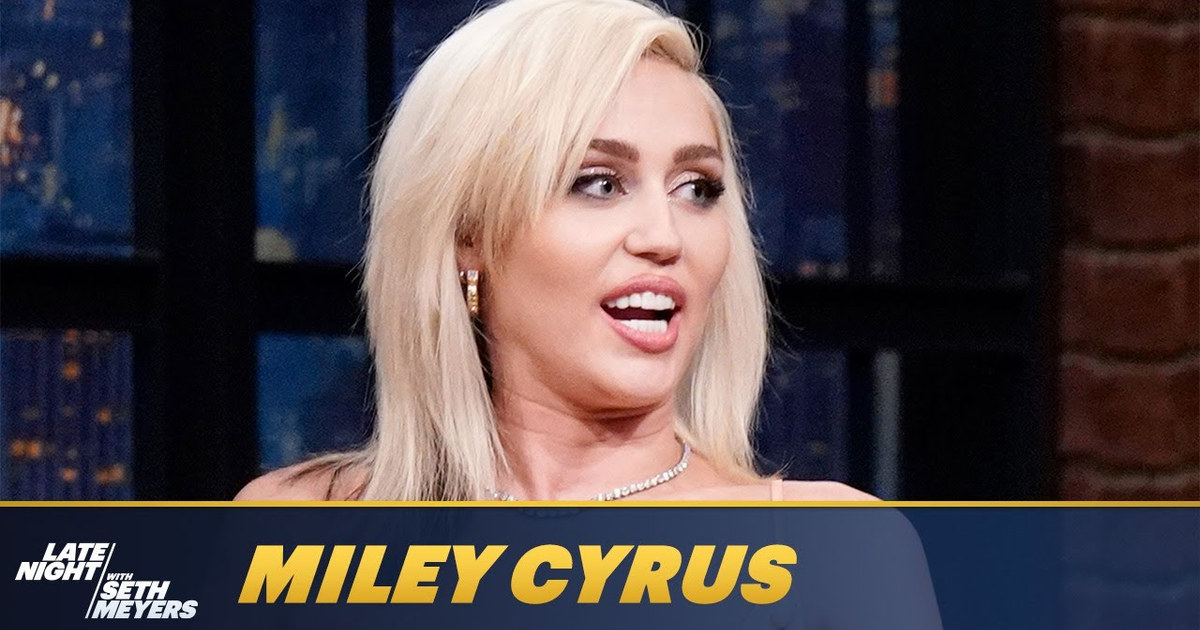
In an era of instant digital communication, Dolly Parton's fax machine proves that analog friction creates deeper human connection. That's the takeaway from Miley Cyrus's recent appearance on 'Late Night with Seth Meyers,' where she revealed that her godmother, the one and only Dolly Parton, still communicates via fax, signed letters, and cassette tapes. As a cinematographer who's shot second-unit on everything from gritty indies to big-budget spectacles, I can tell you: this isn't just a quirky anecdote. It's a masterclass in why the analog world—with all its grain, texture, and inconvenience—beats digital perfection every time.
Picture the scene: Miley Cyrus, pop icon and goddaughter to the queen of country, sits across from Seth Meyers. She's explaining that despite Dolly's Super Bowl commercial for phones, she rarely uses one. Instead, Dolly faxes. Then someone scans the fax, texts it to Miley, and that's how they communicate. It's a chain of analog-to-digital conversion that would make any IT department weep. But here's the thing: that friction is the point.
In cinematography, we chase texture. We use film grain, practical lighting, and imperfect lenses to create images that feel alive. A pristine digital shot can look sterile, like a Slack message. But a fax from Dolly? That's like shooting on Kodak 5219—it's got character, it's got history, it's got a signature. Every step in that chain—fax, scan, text—adds a layer of humanity. It's the equivalent of a light leak or a lens flare: unplanned, but perfect.
Ad marker: This section is brought to you by our sponsors. Stay tuned for more after the break.
Miley also shared that Dolly once sent her a demo recorded on a cassette, then voice-memoed onto a flip phone, then transferred to an iPhone, and finally FedExed. That's a workflow that would make a post-production house pull their hair out. But it's also a workflow that ensures every message is deliberate. Dolly doesn't just tap out a quick text. She sits down, she types (on a typewriter, no less), she signs it, and she sends it. That's the analog equivalent of lighting a scene with practicals instead of a softbox—it takes time, but it feels real.
Compare that to how we communicate today. Email, Slack, DMs—they're instant, they're efficient, and they're utterly forgettable. When was the last time you saved a Slack message? But a fax from Dolly Parton? That's a keepsake. Miley even said she's started writing her own letters because 'there's something so amazing just about a connection. It's just not casual.' That's the difference between a digital snapshot and a film negative. One is disposable; the other is archival.
As a cinematographer, I've seen this play out on set. Directors who insist on shooting digital for speed often end up with footage that lacks soul. But those who take the time to light a scene with practicals, to use vintage lenses, to let the grain breathe—they create something that lingers. Dolly's fax machine is the vintage lens of communication. It's slow, it's cumbersome, and it's absolutely worth it.
And then there's the Dolly Pigeon. Seth joked that he'd be thrilled if a pigeon knocked on his window with a fax from Dolly. Miley imagined it with 'long acrylic nails, big boobs, and a blonde wig.' The Dolly Pigeon. It's a hilarious image, but it also reveals something: we secretly crave that kind of effort. We want someone to care enough to fax us, to sign a letter, to record a cassette. In a world of instant everything, the analog chaos of Dolly Parton is a reminder that connection isn't about speed—it's about intention.
So next time you're tempted to send a quick emoji, think of Dolly. Think of the fax machine. Think of the Dolly Pigeon. Because in the end, the friction is what makes it real. And that's a lesson any cinematographer—or anyone who's ever tried to connect—can appreciate.
SNL's Last-Minute Cover: How Constraints Forge Authenticity
It's Saturday afternoon at 30 Rock. Miley Cyrus is prepping for that night's SNL when Lorne Michaels drops the bomb: Elon Musk's monologue ran long, the show is bleeding time, and she needs to cover a Dolly Parton song. No rehearsal. No warning. Just a song, a stage, and a live audience. As a cinematographer who's shot second-unit, I know that feeling. It's like being told you have one take, natural light, and a 40mm lens—and you'd better nail it.
But here's the thing: that forced spontaneity is exactly what makes great art. When you strip away the safety net of over-rehearsal, you tap into something raw. Miley didn't have time to overthink. She had to trust her instincts, and that's where authenticity lives. It's the same reason directors like John Cassavetes shot handheld, or why Emmanuel Lubezki loves natural light—imperfection is human, and humans connect with it.
Miley's brand might be not listening to anyone, but she listens to Lorne Michaels. And when Lorne says jump, you jump. So she did. She performed the song, and it was electric. Not because it was perfect, but because it was real. The audience felt it. The internet felt it. And Dolly? She sent a fax.
[[AD]]
That's right—a fax. Dolly Parton doesn't do email. She doesn't text. She faxes. And that fax said she loved it. She loved that Miley introduced her music to a new generation in a way that was still Miley. Because Dolly doesn't want copy/paste covers. She wants you to infuse yourself into her songs. That's what makes a cover great—when you bring your own soul to it.


