Part 3
[[AD]]
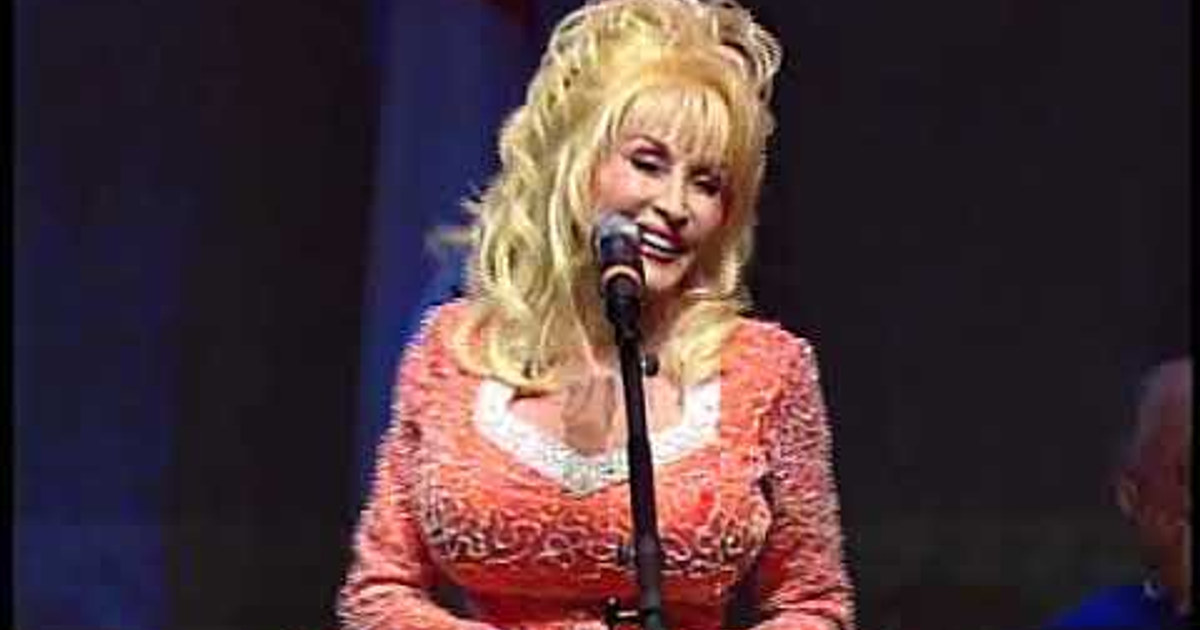
Parton said it plainly: 'It would kill me to disappoint my fans because they pay my bills.' For filmmakers, the audience is your fan. Every frame should be your best. That means when you’re shooting a close-up, you’re not just thinking about the actor’s performance—you’re thinking about the catchlight in their eyes, the falloff of the key light, the texture of the skin. You’re thinking about how the audience will feel when they see it on a 40-foot screen or a phone in their hand. That’s caring more.
Parton’s 'care more' pillar isn’t just about work ethic; it’s about how you look, how you prepare, how you keep commitments. That’s the cinematographer’s creed. You show up on time. You know your gear. You respect the crew. You care about the story you’re telling. And you never, ever let your ego get in the way of the shot. Because at the end of the day, the story is bigger than any one of us.
Think about the candlelit scenes in Barry Lyndon (1975), shot by John Alcott with custom lenses. He cared enough to figure out how to shoot by candlelight when everyone said it was impossible. Or the natural light in The Revenant (2015), where Emmanuel Lubezki cared enough to chase the sun for hours, waiting for that perfect moment. They cared more, and it shows. Every frame is a testament to their attention to detail.
But caring more isn’t just about technical perfection. It’s about empathy. Parton told a story about the 'town trollop' in Sevierville—the woman everyone called 'trash.' Young Dolly thought she was the prettiest thing she’d ever seen. That taught her not to judge. She said, 'If you truly care for people, you won’t judge them.' For filmmakers, this means approaching every character with empathy. Even the villain deserves a fair shot. You have to understand their motivations, their pain, their humanity. That’s what makes a performance—and a film—truly resonate.
Now let’s talk about the 'be more' pillar. Parton asked, 'What do you want people to say about you a hundred years from now?' She joked about looking good for her age, but then she got serious. People will remember us for who we were, not how many records we sold. For filmmakers, this is about legacy. Your body of work is your legacy. Every film you make, every frame you shoot, is a piece of you that will outlive you. So you better make it count.
Parton counts her blessings more than her money. Family, hometown, Tennessee, her fans, the Imagination Library—which has donated over 20 million books to children. She’s grateful for the opportunity to tell stories. For filmmakers, this is about gratitude. Be grateful for the chance to tell stories. Be grateful for the crew that shows up at 4 a.m. Be grateful for the actors who trust you with their performances. That gratitude will fuel your work and keep you grounded.
Care more and be more are intertwined. When you care deeply, you naturally become more—more skilled, more empathetic, more impactful. Parton’s speech is a blueprint for living a creative life. It’s not just about dreaming and learning; it’s about caring enough to put in the work and becoming the kind of person people remember. That’s the legacy you leave behind.
So what should you watch for in Parton’s speech? Watch how she uses humor to disarm, then delivers a powerful message. Watch how she builds a narrative arc from childhood to stardom. Watch how she connects with the audience through eye contact and pauses. These are techniques every filmmaker can use. Humor can lower defenses, making the emotional beats hit harder. A clear arc keeps the audience engaged. Eye contact and pauses create intimacy, even on a stage or a screen.
In the next article, we’ll break down a scene from a classic film and show how these four pillars—dream more, learn more, care more, be more—can be applied to visual storytelling. We’ll look at how a director and cinematographer collaborate to create moments that resonate long after the credits roll. You won’t want to miss it.
Parton’s speech is a gift to anyone who tells stories with images. It’s a reminder that the best visual stories come from the heart, from hard work, and from a deep care for the audience. So go out there, dream more, learn more, care more, and be more. And always, always check your focus.


