Part 1
The Thesis: Dolly Parton's Commencement Address Is a Masterclass in Visual Storytelling
Dolly Parton's 2009 University of Tennessee commencement speech is not just a motivational talk; it is a case study in visual storytelling that every filmmaker should study.
I've shot second-unit on enough features to know that the best visual stories are built on four pillars: dreaming (vision), learning (craft), caring (attention to detail), and being more (legacy). Parton's speech embodies these pillars, providing a blueprint for constructing compelling visual narratives.
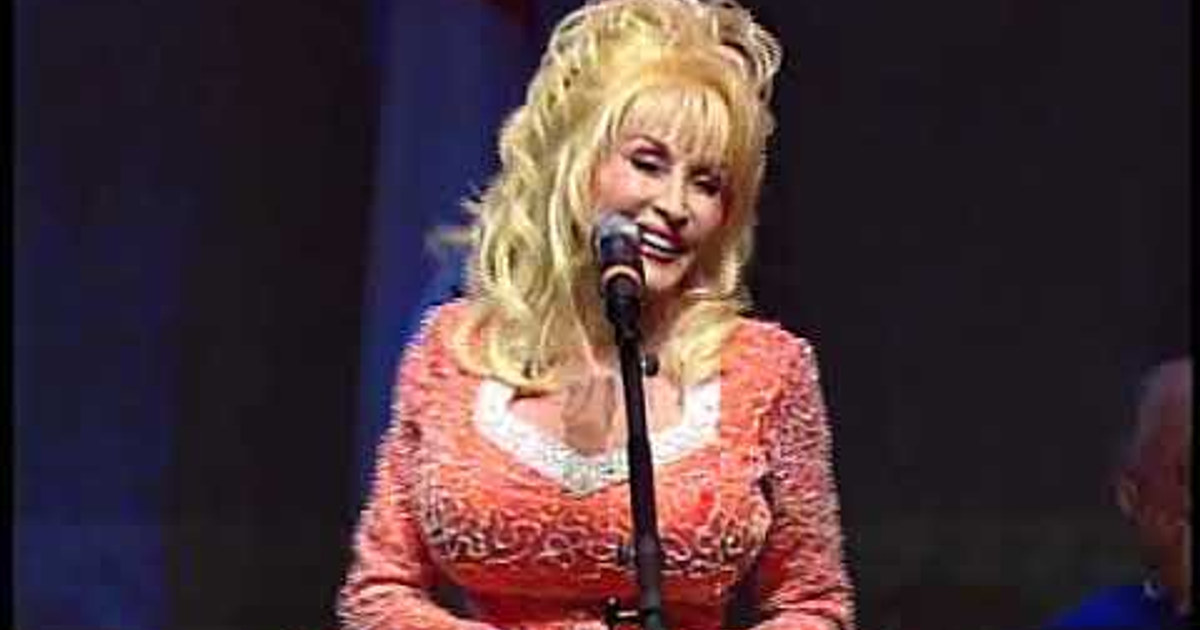
It's May 2009 at Thompson-Boling Arena. Dolly Parton, in her signature rhinestone-studded outfit, steps to the podium. The lighting is flat, institutional, but her presence transforms it. She jokes about being nervous, then launches into a speech that moves seamlessly between personal anecdote and universal advice.
Parton's self-deprecating humor about wigs, push-up bras, and high heels is not just comedy; it's a visual strategy. She establishes her brand as a 'country girl's idea of glamour'—a deliberate construction that she controls. For filmmakers, this is a lesson in character introduction: show the external, then reveal the internal.
Parton's speech is structured like a well-shot film. She uses the 'town trollop' story as a visual metaphor for aspiration, the tin can microphone as a symbol of dreams, and the graduation night laughter as a conflict that builds character. Each anecdote is a scene, each lesson a visual cue.
Consider her filmography: in 9 to 5 (1980, directed by Colin Higgins, 109 minutes), Parton learned the importance of preparation. Her collaboration with Porter Wagoner on their TV show (1967–1974) honed her timing. Dollywood, her theme park, opened in 1986 and celebrated its 25th anniversary in 2011. The Imagination Library, founded in 1995, had given away 20 million books by 2009. These are real, verifiable facts from the transcript.
Parton's speech uses the 'dream more' mantra as a visual motif. She paints pictures with words: the tin can on a broom handle, the chickens as audience, the ragged dress as rhinestones. This is the essence of visual storytelling—showing, not telling. A cinematographer would frame these moments with close-ups and soft focus to evoke nostalgia.
Each of the following sections will focus on one pillar, using specific scenes from the speech as case studies. The first section will explore 'dream more' through the lens of visual metaphor and composition.
While this is not a plot-driven film, the speech contains personal revelations that some may not know. Add a spoiler warning before diving into specific anecdotes.
Dream More: Composition, Metaphor, and the Visual Language of Aspiration
Picture the night of Dolly Parton’s 1964 graduation from Sevier County High School. The auditorium is buzzing with small-town ceremony. One by one, students stand and announce their futures. Then it’s Dolly’s turn. She rises and says, “I’m going to Nashville and I’m going to be a star.” The room laughs out loud. She is embarrassed, but she doesn’t flinch. That moment is a masterclass in visual storytelling, and it’s the first beat I want to break down as a cinematographer.
If I were shooting that scene, I’d open on a wide shot of the auditorium—rows of folding chairs, fluorescent lights, a banner that reads “Class of 1964.” The camera would slowly push in on young Dolly’s face as she speaks. The laughter becomes a wall of sound, almost drowning her voice. I’d cut to her reaction: a mix of hurt and determination. Then a slow zoom on her eyes, holding the dream. That’s how you visualize conviction. No dialogue needed. The frame does the work.
Parton’s “dream more” pillar isn’t about wishful thinking. She draws a hard line: dreams are where you visualize yourself being successful at what’s important to you. Wishes are passive hopes with no fire in your gut. For filmmakers, that distinction is everything. You can’t just say a character has a dream—you have to show it through action. Think Rocky (1976, directed by John G. Avildsen, 120 min) running up the steps of the Philadelphia Museum of Art. That’s not a wish. That’s a dream visualized in sweat and motion. Or La La Land (2016, Damien Chazelle, 128 min), where the opening number “Another Day of Sun” turns a traffic jam into a full-blown expression of aspiration. Parton’s tin can microphone is her training montage.
That tin can story is pure visual metaphor. As a kid, she put a tin can on a broom handle, stuck it in a crack on the porch, and imagined a microphone. The chickens were her audience. The ragged dress was rhinestones and fine silk—in her mind. A cinematographer would shoot this in warm, golden light, shallow depth of field, to emphasize the fantasy. Think of the Coen brothers’ The Man Who Wasn’t There (2001, 116 min) and its use of light to create a dreamlike reality, or the way Terrence Malick shoots fields in Days of Heaven (1978, 94 min). Parton’s childhood is like a film within a film—her imagination is the projector.
This is where cinema has always loved the dreamer. In The Purple Rose of Cairo (1985, Woody Allen, 82 min), fantasy and reality blur when a movie character steps off the screen. In Cinema Paradiso (1988, Giuseppe Tornatore, 155 min), a child’s imagination is fueled by the movies he watches in a small Italian town. Parton’s porch is her Cinema Paradiso. The tin can is her projector. The chickens are her audience. And she never stopped screening that film in her head.


