Part 1
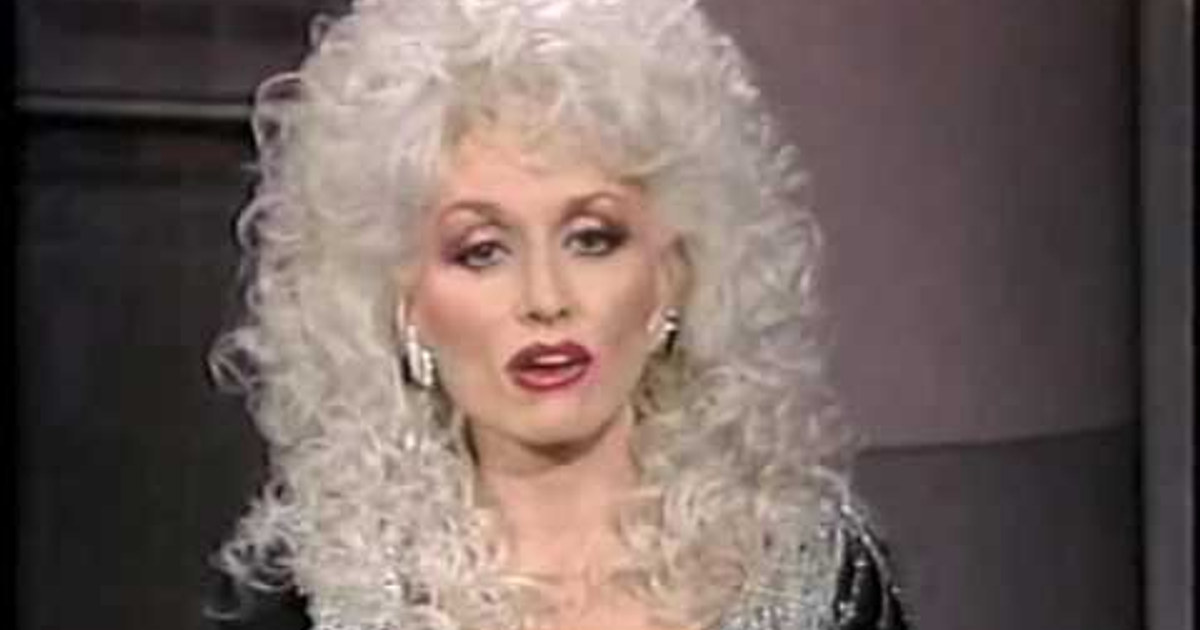
A ceramic monkey sits in the background, quietly waiting for its close-up. The host announces it has been given away, then Dolly Parton walks into a swell of applause and music. For a beat, the monkey and the rhinestone-bright star seem to belong to the same comedy sketch: one prized, one impossible to ignore. Then Dolly and the host look at each other and agree they look good together. The interview has found its rhythm before either of them has said much at all.
This is Dolly on a talk show, in the middle of the Dollywood story. The host teases her about her hat, her perfume, and whether she might marry him. Dolly plays along without losing her footing. Beneath the flirtation is the real reason she is there: to talk about the theme park she helped build in East Tennessee, close to the Smoky Mountains where she grew up.
The little exchanges are funny, but they also show what makes Dolly such a vivid guest. She can turn a question into a bit, then bring the conversation back to something she cares about. Here, the center of gravity is Dollywood—not just a celebrity name above a gate, but a dream shaped by memory, work, and a wish to bring something home.
[[AD]]
The fairground dream that grew into Dollywood
When asked whether she had always wanted her own theme park, Dolly doesn’t dress up the answer. Yes, she says: the idea had lived with her for years. As a child, the county fair was a major event. The rides, the crowds, the feeling that a whole world had appeared for the day—all of it stayed with her.
That childhood pleasure grew into a longer plan. Dolly says she had spent roughly fourteen or fifteen years trying to pull the project together, with the goal of returning to the Smoky Mountain region where she was born and raised. She wanted to take something back to the people there. In her telling, the park was both a business undertaking and a gesture of gratitude.
The distinction matters. Dollywood isn’t described as a monument to Dolly’s fame, even though her fame is the reason the host can introduce her with such a grand list of achievements. She is a three-time Grammy winner and a member of the Nashville Songwriters Hall of Fame. The show also calls her a motion-picture star and the only guest to have a theme park named after her. But when she explains the park, she talks first about home and the people who live there.
[[AD]]
The host keeps the conversation practical. Where is it? What does admission cost? Can visitors stay nearby? Dolly answers in the same conversational spirit. The park is in Pigeon Forge, near Knoxville; she gives the admission prices then in effect and points to the area’s hotels and other attractions. The numbers and details belong to the moment of the interview, but the larger point still lands: Dollywood is presented as part of a place, not a sealed-off celebrity bubble.
She also makes clear she is involved. The park had opened the previous year, she says, and she had visited every month. Sometimes she would go onstage with her guitar and sing alongside members of her family, without people knowing in advance when she might turn up. The host jokes that she could have simply put her name on the project and walked away. Dolly pushes back: she did not want to be that kind of owner.
There’s a lovely image tucked inside that answer: Dolly arriving at her own park, guitar in hand, then joining the music without making the visit into a formal appearance. The gesture is small, almost casual, but it changes the scale of the place. Dollywood isn’t only a destination she lends her name to. It’s a stage she wants to step onto.
A theme park with a sense of place
Later, Dolly describes Dollywood as being centered on the 1800s and on preserving Smoky Mountain heritage. She had joined forces with the Herschend family, longtime operators in the amusement-park business, and says the partnership combined their ideas. They brought experience running parks; she brought a personal vision tied to the region.
The details she names give that vision texture. There is food, of course, but also arts and crafts: candle-making, basket-weaving, and a blacksmith. These aren’t abstract promises of nostalgia. They are activities visitors can see and encounter, the kind of details that turn a theme into a physical place.
[[AD]]
The host asks whether the park is clean, a question that sounds like a joke until Dolly answers seriously: yes, and cleanliness matters. It’s a quick reminder that a dream still has to work as a real business. The conversation keeps moving between the romantic idea and its practical machinery—acreage, visitors, lodging, food, and the people needed to make it all run.
Dolly says the park sits on 700 acres and drew about 1.5 million visitors in its first season. She remembers it as the fastest-growing theme park in the United States that year. Those figures give the host room to be impressed, but they also underline what the project had become: not a private fantasy, but a major attraction with the potential to bring visitors and jobs to the area.
The conversation wanders toward nearby Pigeon Forge attractions, including a police museum that Dolly clarifies is not part of Dollywood. The detour is funny because the host keeps trying to fold everything in the brochure into her park. But it also paints the region as a place where a trip can extend beyond the gates. Dolly mentions the Smoky Mountains’ popularity with campers and the abundance of campsites nearby.


