Every time Dolly Parton’s classic anthem cue drops, two distinctly different audiences show up in the comments. The first is the genre purist: the fan who showed up for the quintessential 1980 working-class revenge comedy, the infectious country-pop hook, and the electric trio of Dolly Parton, Jane Fonda, and Lily Tomlin sticking it to the corporate machine. The second is the systems engineer of pop culture: the craft obsessive who leans in close to inspect the mechanical scaffolding beneath the illusion.
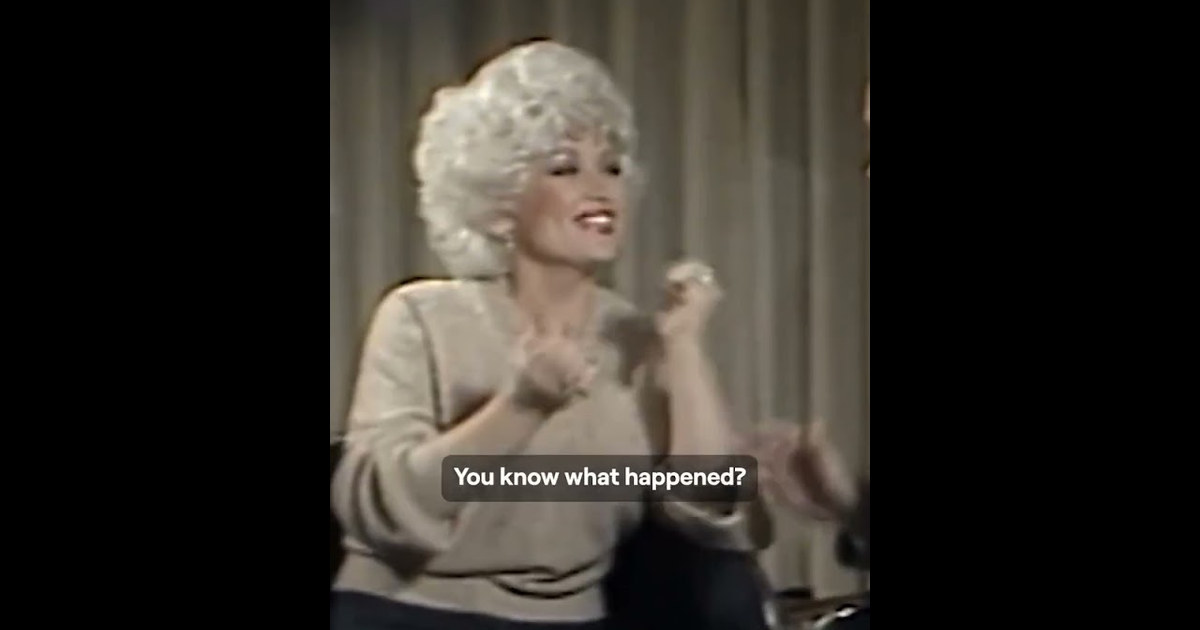
If you came from that viral clip of Dolly rubbing her acrylic nails together on camera, you already witnessed the collision between those two worlds. What looks like an offhand talk-show gag is actually one of the most brilliant low-tech hardware hacks in cinematic songwriting history.
Without an acoustic guitar plugged in between takes on set, Dolly literally engineered an ad-hoc rhythm peripheral right out of her manicured hands. Let's break down why both the storytelling purists and the process tinkerers should be completely obsessed with this moment.
[[AD]]
The Genre Layer: Why 9 to 5 Required an Unstoppable Engine
From a purely thematic standpoint, the 1980 film '9 to 5' is structured around relentless, dehumanizing industrial pacing. The entire premise rests on secretaries trapped inside bureaucratic conveyor belts, drowning in typewriter clatter, carbon copies, and corporate micro-tyranny. For the title track to work as the ideological spine of the movie, it could not merely be a melodic country tune; it had to function as a locomotive.
It needed to sound like the daily grind transformed into an act of joyful defiance. Genre fans adore the track because it delivers pure catharsis on demand. The driving tempo mirrors the morning rush, the alarm clock, and the commute without ever losing its warm, human centerpiece.
Yet writing an anthem that captures that exact velocity while idling on a soundstage is a notoriously difficult production bottleneck. Movie sets are notoriously slow, filled with hours of dead time between lighting setups and wardrobe adjustments. Dolly was cast alongside powerhouse actors Jane Fonda and Lily Tomlin, completely away from her familiar Nashville recording sanctuary, task-swapping between acting and composition.
[[AD]]
The Pure-Craft Solution: Acrylics as a Tactile Clock Source
Here is where the audio engineers and modular synth nerds get to geek out. When a musician lacks an instrument on location, they usually tap their feet or click a tongue. But Dolly identified a completely unique resonant frequency built directly into her signature costume design: acrylic nails.
Rubbing and clicking long acrylic nails across each other produces an abrasive, crisp transient with almost zero low-end mud and an instantaneous acoustic decay. In technical terms, it behaves remarkably like a guiro or an ultra-bright washboard, operating at a high enough frequency register to cut through ambient noise without needing amplification.
As Dolly explained, whenever she was stuck on set without her guitar, she tapped into this built-in percussion track to lock down the tempo: 'Working 9 to 5, what a way to make a living.' By physically strumming her fingernails together, she established an internal metronome that kept the songwriting loop running in background memory while navigating the chaotic film shoot.
[[AD]]
Fonda, Tomlin, and the Communal Feedback Loop
For the narrative fan who loves on-set chemistry, the human context around this hack is just as delightful as the sound design itself. Dolly recounts how Jane Fonda and Lily Tomlin watched her walk around the set clicking her fingers together like a walking rhythm section.
They were watching a masterclass in organic songwriting unfolding in real time. Instead of retreating to an isolated trailer with an army of session players, Dolly composed the theme song directly inside the film's social architecture. Her co-stars became the first beta-testers for the track's cadence.
That collective environment fed back into the film's energy. The track didn't feel like a disconnected studio single slapped over the opening credits; it carried the lived-in camaraderie of three co-stars enduring the exact same set fatigue and converting it into communal propulsion.
[[AD]]
The Foley Irony: Nails vs. Typewriters
Dolly drops a brilliant punchline at the end of the clip that speaks volumes about functional design: 'This new... I couldn't type with them.' The very acrylic nails that generated the rhythmic backbone of the song rendered her entirely incapable of operating an actual office typewriter on camera.
Consider the structural irony here. The film is fundamentally about office typists, yet the creator of its iconic anthem wielded decorative tools that broke the primary function of office equipment, converting that restriction into acoustic output. It is the definition of an unintended feature override.
When they went into the final mix, the producers didn't even drop the nail-click scratch track for synthetic hi-hats. Dolly received an official album credit on the master recording for 'nails,' cementing an improvised physical work-around as official studio canon.
[[VIDEO]]
Where Genre and Craft Finally Merge
This is the rare artifact that gives both factions of film and music fandom everything they want. If you care about pop narrative, it gives you Dolly Parton delivering one of the most culturally enduring working-class anthems ever recorded, completely rooted in the shared warmth of its cast.
If you care about technical execution, it offers a clinic in how tactile constraints breed genius. Dolly turned an aesthetic limitation into a mechanical pulse, proving that real songwriting infrastructure does not require high-end gear—just acute observation and an impeccable sense of time.
Next time you hear that irresistible shuffle beat powering up the morning routine in '9 to 5,' remember that you aren't listening to a sterile studio click track. You're hearing Dolly Parton's acrylic fingernails hacking Hollywood from the inside out.


