Part 1
The Bear Who Ran Out of Gas: A Story That Shouldn't Work But Does
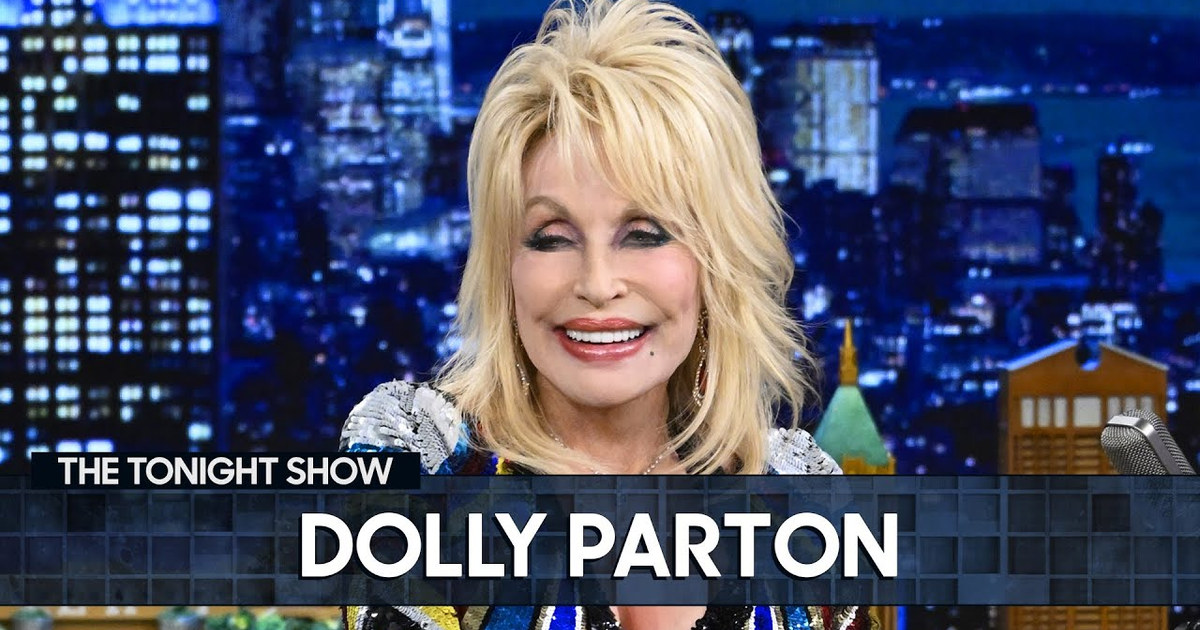
Dolly Parton leans in. The Tonight Show couch is deep, but she perches on the edge of it like a bird on a wire, all sequins and mischief. Jimmy Fallon is already grinning, that eager grin he gets when he knows a guest is about to go off-script. She says it plain, like she's telling you about a neighbor: there was a bear in Pigeon Forge, Tennessee. A caged bear. Tourists fed it Cokes for years. Just poured them right into the cage, day after day, until the bear was good and hooked on the stuff. Then one day, some redneck—her word, not mine—poured gasoline into a Coke can and gave it to the bear. The bear drank it. And then the bear broke out.
The audience is with her so far. They're leaning in, too. A caged bear, a Coke can, a redneck—this is Appalachian folklore, the kind of story that gets told on porches and passed around like a jug. But Dolly isn't done. She keeps going. The bear ran. Eight miles. Toward Sevierville. You can feel the room tighten. Eight miles is a long way for a bear. Eight miles is a long way for anyone. And then, somewhere along that road, the bear collapsed. The audience makes a sound—a soft, collective 'Aww.' It's the sound you make when something innocent gets hurt. It's the sound of a room full of people bracing for a sad ending.
And then Dolly delivers the punchline. 'It was out of gas.' The 'Awws' curdle into laughter. Not polite laughter—real laughter, the kind that bends people over. Applause crashes in. Jimmy Fallon is gone, just a man in a suit laughing at his own desk. Dolly sits back, satisfied, like a cat who just knocked a glass off the counter and watched it shatter.
It's a shaggy-dog joke with a dark heart. The bear is dead—or at least, that's the implication. The bear drank gasoline, ran eight miles, and dropped. But Dolly doesn't dwell on the death. She doesn't have to. The joke works because she knows exactly where to put the weight. She builds the world in three sentences: the cage, the Cokes, the gasoline. She gives you the escape, the run, the collapse. And then she pulls the rug with two words. 'Out of gas.' It's a pun, sure, but it's also a kind of mercy. She lets the audience laugh instead of mourn. That's comic timing, but it's also storytelling instinct. She's not just telling a joke. She's building a world.
And that world is Pigeon Forge. If you've never been, it's a town in the Smoky Mountains, just up the road from Dollywood, Dolly's own theme park. It's a place of go-karts and dinner theaters and souvenir shops selling airbrushed T-shirts. It's also a place where a caged bear by the side of the road was, for a while, just part of the scenery. Dolly grew up in those mountains. She knows the rhythm of that world—the way a story can start as a joke and end as a eulogy. She knows that a bear in a cage is funny until it isn't. And she knows that the best way to tell a sad story is to make people laugh first.
This is the same woman who was inducted into the Rock and Roll Hall of Fame in 2022. The same woman who, at first, wasn't sure she belonged. 'I always thought that was for people that spent their whole life working to be in rock 'n' roll,' she tells Fallon. 'You don't see Led Zeppelin in the Country Music Hall of Fame.' The audience laughs, but she's serious. She's always been serious about the work, even when she's joking. And now she's releasing a rock album called 'Rock Star' in fall 2023. It's got 'Purple Rain' and 'Can't Get No Satisfaction' and 'Stairway to Heaven' and 'Free Bird.' She's doing duets with rock icons. She's living up to the hype, as she puts it.
But the bear story is the seed. The rest of the interview—the Rock Hall, the album, the New Year's Eve special with Miley Cyrus, the Christmas special 'Dolly Parton's Mountain Magic Christmas' on NBC—all of it grows from that same soil. It's the soil of Pigeon Forge, of the Smoky Mountains, of a childhood spent listening to stories that were funny and sad and true all at once. Dolly Parton is a rock star now. But she's still the woman who can hold a late-night audience in the palm of her hand by telling them about a bear who ran out of gas.
And that's why the story works. It's not just a joke. It's a piece of where she's from. It's a reminder that the best storytellers don't just tell you what happened—they make you feel the road under the bear's feet, the burn of the gasoline, the silence before the punchline. Dolly Parton has been doing that for decades. She'll be doing it for decades more. And if you want to see it in action, you don't have to look any further than a caged bear in Pigeon Forge, a can of Coke, and a redneck with a bad idea.
As the applause dies down, Fallon leans in, still wiping tears from his eyes. 'We have to talk about the special,' he says. And just like that, the bear is gone. But the magic it left behind is still in the room. It's the same magic that made Dolly a star, that put her in the Rock and Roll Hall of Fame, that keeps her working and writing and singing. It's the magic of a story well told. And it all started with a bear who ran out of gas.


