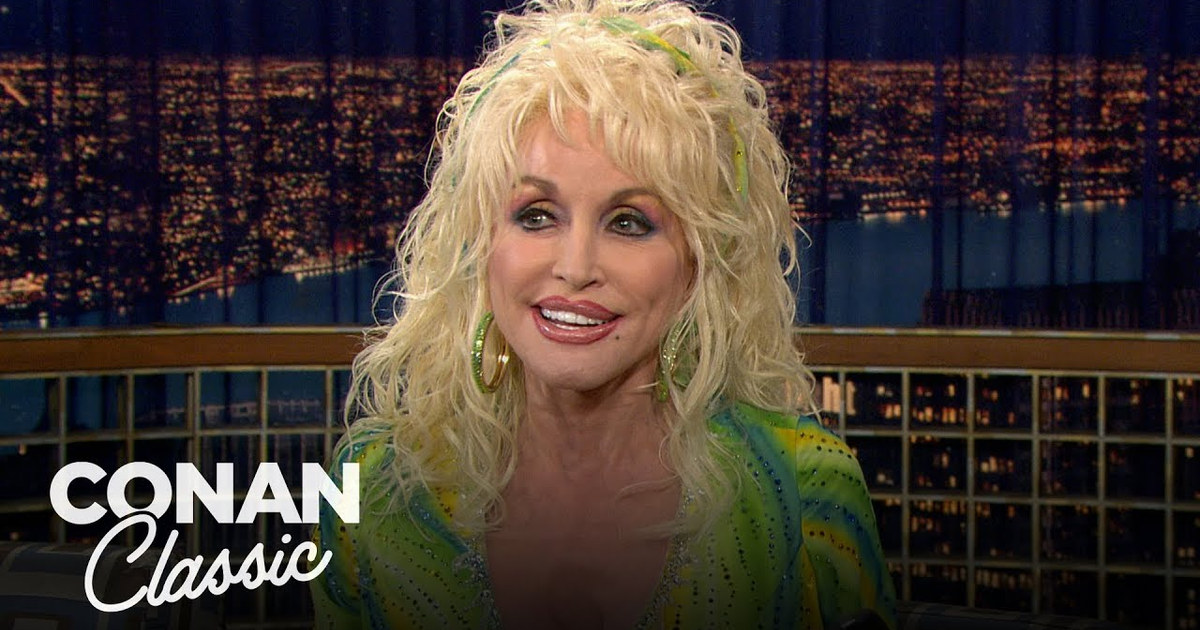
You have probably seen the clip circulating across your feed: Dolly Parton, draped in sunny tie-dye and flashing that incandescent Appalachian grin, casually explaining to a late-night host why she once drew a loaded pistol on a predatory stranger in the shadow of Times Square. It plays as high-wire comedy, punctuated by laughter and quick-witted punchlines, but it quietly forces an essential question about American stardom. Can a performer endure decades under the merciless microscope of commercial celebrity without surrendering her soul, or does total visibility inevitably swallow the artist whole?
For half a century, cultural critics have watched modern iconography devour its own creators, churning genuine voices into plastic caricatures. In an era where performative humility feels manufactured by PR agencies and image consultants, Parton remains an enduring paradox. She has inhabited an exaggerated, rhinestoned caricature for decades while retaining an unfiltered, impenetrable sense of self.
Watching her recount her earliest, most desperate days in Manhattan is not merely an exercise in vintage celebrity lore; it is a masterclass in survival. It reveals how an outsider from the Great Smoky Mountains navigated an unforgiving industry, seized control of the narrative, and transformed systemic condescension into the building blocks of an untouchable creative empire.
[[AD]]
The 42nd Street Standoff and Rewriting the Outlaw Playbook
To understand how Parton answers the question of maintaining selfhood against cultural consumption, you have to look at how she met metropolitan menace in the late 1960s. Arriving in New York City alongside her childhood confidante Judy Ogle, broke and just beginning to scrape together a name in country music, Parton was immediately greeted with the transactional sleaze of midtown Manhattan. The hotel staff took one look at two unpolished Southern women, assumed they were sex workers, and threw their luggage into the hallway while locking them out.
Stranded on 42nd Street while killing time before heading home, Parton was shadowed by an aggressive man who refused to take no for an answer, convinced her reluctance was merely an invitation. Much like John Schlesinger documented the predatory neon wasteland of the same era in Midnight Cowboy (1969), midtown offered no quarter to vulnerable dreamers. Parton’s defense mechanism was neither panic nor submission; reaching into her purse, she produced a firearm, informing him plainly that one more step would earn him a bullet.
The genius of the anecdote lies in what followed: Ogle began laughing, the stalker mistook the weapon for a theatrical gag, and the tension evaporated into absurdity. Rather than burying the incident as a brush with trauma, Parton weaponized it into artistic collateral. A decade later, that very encounter provided the DNA for Doralee Rhodes' iconic line in Colin Higgins' workplace revenge satire 9 to 5 (1980), when Parton threatened Dabney Coleman's scheming boss with changing him from a rooster to a hen with one shot.
[[AD]]
Parton did not let the city humiliate her; she mined its indignity for cinematic gold. While peers in the outlaw country movement cultivated sullen, leather-jacketed brooding to prove their grit, Parton demonstrated that the toughest person in the room could wear pastel fringe, smile warmly, and possess the spine of an Appalachian mountain warrior without ever needing to perform masculine angst.
The Courtroom Bronze and the Pigeon Reality Check
If confronting predators on street corners proved her physical resolve, resisting the intoxicating vanity of fame required an entirely different discipline. Fame inevitably detaches icons from the earth, surrounding them with sycophants until they resemble the tragic, hermetic figures seen in works like Sunset Boulevard (1950). Parton's answer to that seductive trap has always been an unsparing tether to her roots.
When her hometown erected a bronze statue in her honor on the Sevier County courthouse lawn, Parton admitted to indulging in a moment of swelling pride. She went to her father, basking in the glow of civic immortality, asking if he was proud of the monument. Her father’s rejoinder provided the ultimate anti-narcissistic anchor: he told her that while her fans might see an idol, to the local pigeons, she was just another outhouse.
[[AD]]
That paternal puncture remains one of the sharpest celebrity anecdotes ever told, precisely because Parton shares it with relish. Lesser stars spend millions constructing monuments to their own timelessness; Parton openly reminds herself that all public adulation eventually gets soiled by city birds. By adopting her family’s unsentimental pragmatism, she made herself immune to the delusion that destroys so many legends.
This groundedness is not an act designed for television cameras; it is an active psychological shield. By laughing at the very concept of her own pedestal, she retains ownership of her interior life. The statue stands in the town square, collecting weather and bird droppings, while the actual human being continues writing songs, closing deals, and commanding stages untouched by her own mythology.
Deflecting Tabloid Grotesquerie with Rock-and-Roll Wit
The third trial of the Parton ethos is the unending commodification of her body. For decades, supermarket tabloids have treated her physical appearance not as an aesthetic choice, but as an ongoing freak show, spinning sensational headlines about secret health catastrophes, broken spines, and bedridden confinement. Where other icons retreat into bitter litigation or wounded silence, Parton treats the absurdity of sensationalism as material for impromptu stand-up.
[[VIDEO]]
Much like Mae West systematically subverted Hollywood puritanism in I'm No Angel (1933) by telling the jokes before the censors could formulate their slurs, Parton consistently outflanks the gossip press. Asked about the tabloid rumors claiming her chest was heavy enough to snap her vertebrae and trap her in bed, she fired back without missing a beat: of course she carried heavy weight, which is precisely why she covered so many Led Zeppelin songs, joking that she needed bongo stands just to prop herself up.
By transforming invasive tabloid scrutiny into punchlines, Parton strips the media of its power to demean her. She understands that the public spectacle wants to turn her into an object, but an object cannot deliver razor-sharp musical puns about British hard rock. The joke asserts total intellectual dominance over the interviewer, the audience, and the editors churning out supermarket gossip.
[[AD]]
This comic agility is not defensive evasion; it is strategic control. Parton acknowledges the hyper-sexualized image that brought her initial attention, but she refuses to be its victim. By playing along faster and louder than anyone in the room, she turns a predatory tabloid apparatus into her own unpaid opening act.
Reframing the Cost of Cultural Immortality
So we return to the question that Parton's career so vividly demands: can absolute authenticity survive the grinding machinery of celebrity? The evidence suggests that it can, but only if the artist possesses both the nerve to draw down on danger and the humility to remember the pigeons.
Parton survived New York hotel clerks, 42nd Street hustlers, Hollywood executives, and decades of tabloid cruelty not by sanitizing herself, but by outsmarting everyone who mistook her rhinestones for foolishness. She remains one of our last great populist figures because she never pretended the world was gentle; she simply decided that she would be quicker on the draw.
When you revisit these stories, you are not merely listening to a charming raconteur kill six minutes on a promotional tour. You are watching a master tactician reveal the blueprint for artistic independence. Next time the world tries to pin Parton to a single caricature, remember the pistol in the purse, the laughter on the pavement, and the woman who turned an attempted mugging into a classic cinematic war cry.


