Part 1
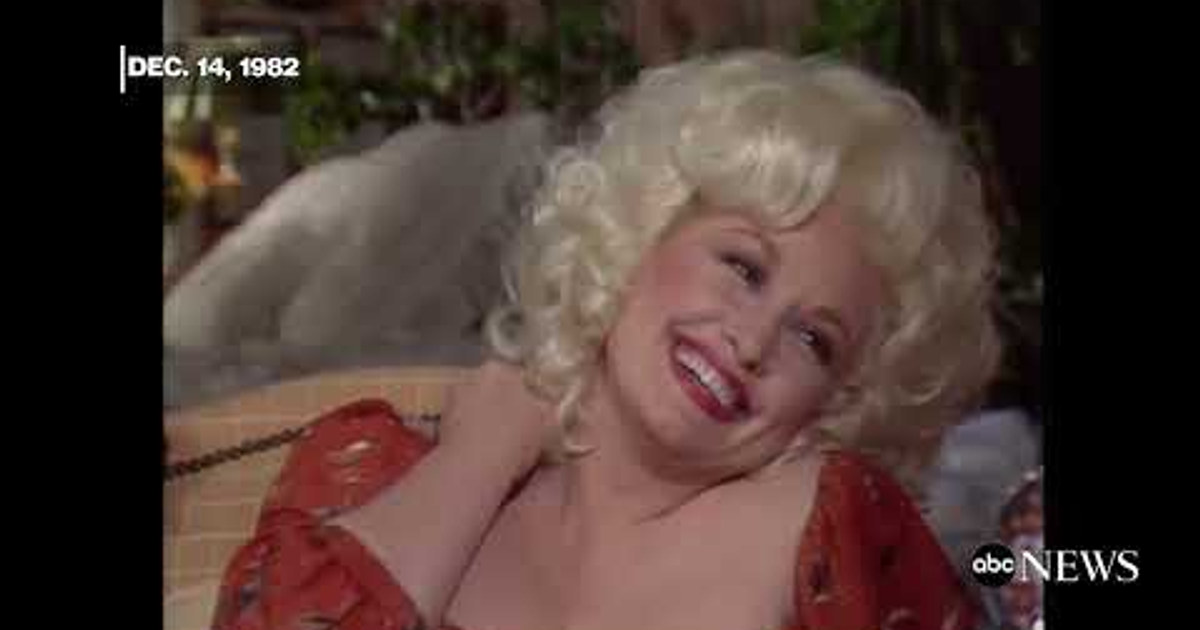
Grab a stool, order whatever you're drinking, and pull up close, because I need to talk to you about the exact second Dolly Parton turned a network ambush into the greatest flex in television history. You know how most sit-down celebrity profiles feel like sanitized press releases scripted by a nervous team of publicists? Forget all of that. We are heading back to late 1982, right when Barbara Walters marched into Dolly’s colonial sanctuary outside Nashville, fully expecting to dissect a wounded star.
Instead, Barbara ran face-first into an absolute strategic mastermind disguised in rhinestones and a towering wig. If you haven't watched this archive tape yet, you’re missing the blueprint for how to handle fame, power, and invasive questions without giving up an inch of your dignity. Dolly had just survived a brutal, mysterious health scare, walked off the chaotic set of 'The Best Little Whorehouse in Texas,' and had the tabloid press circling like vultures.
The rumor mill back then was completely unhinged. People were whispering about secret surgeries, career-ending breakdowns, and marital fractures. So Barbara looks her dead in the eye and brings up the street gossip about cosmetic procedures, specifically asking about a rumored breast reduction. Dolly doesn’t blink. She doesn't call her lawyer. She just laughs and goes, 'Are you kidding? It took me years to get them this big. Why would I want to take them down?'
[[AD]]
That single line tells you everything you need to know about Dolly Parton's genius. She takes the weapon out of the interviewer's hand, decorates it in sequins, and hands it right back with a smile. But beneath that flawless Appalachian comic timing, this conversation cuts deeper than almost anything you’ll see on modern broadcast television.
The Collapse Behind the Rhinestones
Before we get into the pure business acumen on display here, you have to understand the stakes of that summer. Dolly wasn't just resting between tour stops; she had collapsed onstage. She was completely out of commission for four solid months, holed up in Tennessee fighting severe internal bleeding from gastric polyps, complicated by painful female health issues that nearly broke her physically.
When you work at Dolly’s breakneck speed, being forced into a bed for a third of a year isn't just a physical timeout—it's an existential crisis. She openly admits to Barbara that the physical sickness dragged her straight into depression. She points out how the public flatly denies stars the right to be human beings who get tired, get sick, or feel empty.
Making 'The Best Little Whorehouse in Texas' had taken a massive toll on her, too. Coming from a deeply religious mountain family, taking on that role carried moral weight and endless production headaches. Even with mixed critical reviews, she owned the work entirely: she knew she gave it everything she had, and that was the metric she lived by.
[[AD]]
Brains Beneath the Wig, Heart Beneath the Boobs
Now, you might wonder why she kept the extreme look if she was trying to be taken seriously as an artist and executive. Barbara literally asks her that: why not tone down the caricature? Why keep the waist-cinching belts and the exaggerated hair if you want artistic credibility?
Dolly's answer is pure gold. She explains that her entire aesthetic came from the women the town locals called 'cheap trash' when she was a barefoot kid in the Smokies. To her young eyes, those women weren't trash—they had flair, they had color, they were glamorous and fearless. She decided back then that if that was sexy, that was what she wanted to be.
'I want people to know there's some brains beneath the wig and a heart beneath the boobs,' she says casually. She knew Hollywood underestimated her during '9 to 5,' assuming she was just a dumb blonde who stumbled onto a studio lot. But Dolly never resented being underestimated; she used it as cover while she built an empire.
[[AD]]
Planting the Seeds for an Empire Called Dollywood
This is the part of the interview that gives me chills every time I rewatch it. Long before she actually cut the ribbon on her theme park empire, Dolly drops a casual bombshell right in the middle of Barbara’s living room interview. She mentions that she wants to build a Smoky Mountain fantasy land in East Tennessee called 'Dollywood USA.'
Keep in mind, nobody in mainstream entertainment was doing this. Country music artists were expected to tour until their joints gave out, release records, and maybe endorse a brand of guitar strings. Dolly was sitting there mapping out an Appalachian Disneyland alongside affordable clothing lines tailored specifically for regular working-class families shopping at Kmart.
She wasn't chasing high-fashion snobbery or trying to impress Manhattan socialites. She knew her crowd intimately because she came from them. She knew what they wore, what they spent, and where they went on vacation, and she built her long-term equity around serving them directly.
[[AD]]
Carl Dean: The Phantom of the Tractor
Then comes the question everyone was dying to hear: where on earth is her husband? Carl Dean is practically mythological at this point. In an era where celebrity spouses were pushed into every red-carpet photo call, Carl refused to play the game, staying entirely out of the spotlight while running his own paving and building work.


