Part 3
The catfish, it turns out, was possibly someone in Marcus’s own family — someone who intercepted Daisy’s number from a photo she posted on Instagram. They set up a Google Voice account with a Cincinnati area code, registered under a woman named Sandra (Marcus’s mother, according to public records). They texted Daisy for months, accepting gifts, spinning a romance, never showing a face. When Nev and Max trace the phone number, they find it’s a home line that behaves like a cell — a classic Google Voice trick. The trail leads straight into Marcus’s household, but not to Marcus himself.
So what does this reveal actually mean? It means that even when the person is real, the relationship can be built on a foundation of avoidance and miscommunication. Marcus’s refusal to engage in basic reciprocity — a card, a photo, a phone call — created a vacuum. And a catfish filled it. The real Marcus was almost as unknowable as the fake one. Daisy spent two grand on a man who never said thank you. She fell in love with a profile, not a person. And when the truth came out, she was shocked but relieved — because at least he existed. But existence isn’t the same as intimacy.
This isn’t unique to *Catfish*. Think of *Shattered Glass* (2003, directed by Billy Ray, 94 minutes), where Stephen Glass (played by Hayden Christensen) fabricates dozens of stories for *The New Republic*. The reveal isn’t just that he lied — it’s that his editors wanted to believe him so badly they never checked. Or *F for Fake* (1973, directed by Orson Welles, 89 minutes), Welles’s playful essay on deception, where the line between truth and illusion blurs until you stop caring which is which. In all three cases, the audience — whether a magazine staff, a documentary crew, or a lovesick 22-year-old — is complicit in the con. We want the story to be true. We ignore the red flags. We fill in the blanks with hope.
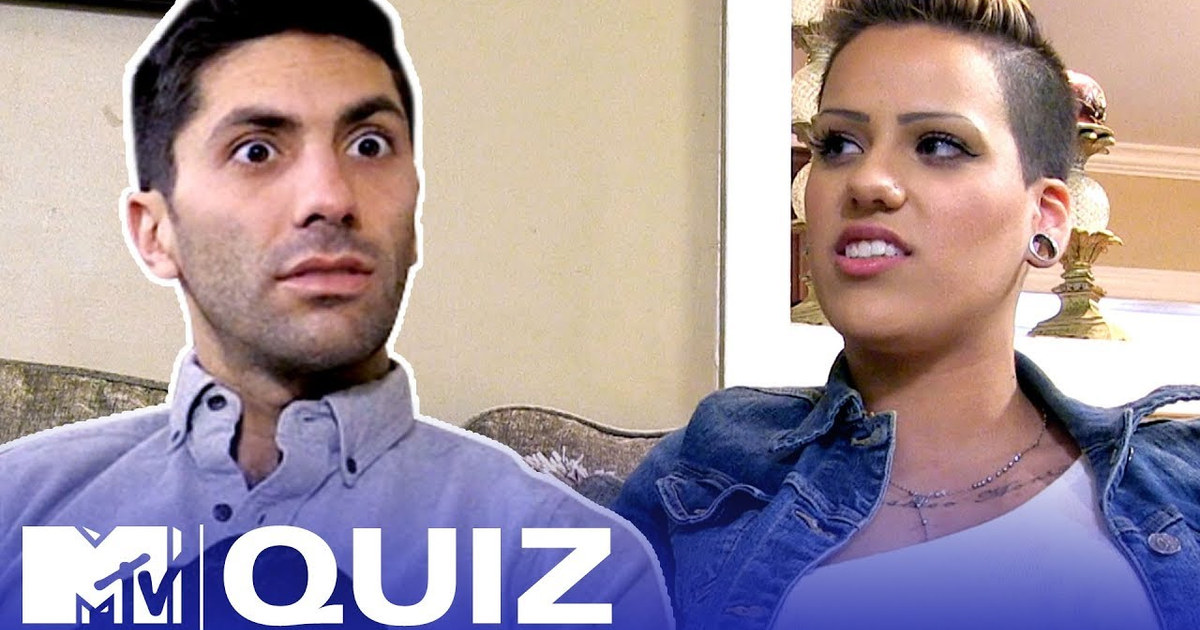
The *Catfish* TV show, which premiered on MTV in 2012 and has run for eight seasons, has given us dozens of variations on this theme. The catfish is often a neighbor, a friend, a lonely teenager, or a scorned ex. The reveal is rarely a monster. It’s usually someone sad, someone bored, someone who wanted to feel powerful or loved. The show’s genius is that it refuses to give us a clean villain. Instead, it asks: what would you do if you were invisible? What would you do if you could be anyone?
In Daisy’s case, the answer is uncomfortable. The person behind the screen was likely someone close to Marcus — someone who saw an opportunity and took it. They knew Marcus’s habits, his photos, his silence. They knew he wouldn’t call. They knew he wouldn’t send a card. They built a fake relationship on top of a real void. And Daisy, desperate for connection after personal tragedy, walked right into it.
The episode ends with Daisy and Marcus meeting in person. It’s awkward, tentative, uncertain. They don’t ride off into the sunset. They don’t even exchange a hug. The camera lingers on their faces, and you realize: this isn’t a happy ending. It’s a beginning that might never go anywhere. Because trust, once broken, doesn’t just snap back. And the question isn’t just “Is Marcus real?” It’s “What does it mean to be real in a digital world?”
In the age of Instagram and Google Voice, trust is a leap of faith. You can verify a phone number. You can reverse-image-search a photo. You can demand a video call. But you can’t verify a heart. You can’t reverse-search an intention. *Catfish* reminds us that the person behind the screen might be real, but the relationship might still be a fiction. Daisy got her answer. But the trust was already gone. And that’s the real tragedy — not that Marcus was fake, but that he was real and still couldn’t show up.
Next time, we’ll explore other episodes where the catfish was closer than anyone imagined — and ask whether the truth ever really sets anyone free.


