Part 1
The Question We All Ask: Can You Ever Really Know?
You’ve probably seen the trailer for Catfish, or at least heard the phrase thrown around like a warning label on every dating app. But the show—and the 2010 documentary that started it all—asks a much bigger question: in a world of DMs, filters, and dating apps, can you ever truly know who you’re falling for? It’s the same question that’s haunted us since we first started talking to strangers through screens.
Take Daisy, 22, from Indian Trail, North Carolina. She met Marcus on Instagram. He’s a videographer from Cincinnati, or so he says. They’ve never spoken on the phone. Not once. She’s spent $2,000 on him—clothes, gifts, even a $1,000 Canon camera. And when she tried to trace his phone number, it came back to a woman named Sandra. Is Marcus real? That’s the question Daisy is desperate to answer, and it’s the same one we all face every time we swipe right.
This isn’t just a Catfish plotline. It’s a cultural obsession. In The Net (1995), Sandra Bullock plays a woman whose entire identity is erased online—one click and she’s a ghost. In Her (2013), Joaquin Phoenix falls for an operating system, and we all cried about it. And then there’s Catfish the documentary (2010), directed by Ariel Schulman and Henry Joost, which introduced the term to the world. Each of these works asks a version of the same question: when the person on the other side of the screen can be anyone, what does trust even mean?
But Catfish doesn’t just ask—it answers. And the answer is messier than you think. Over the next few sections, we’ll break down the anatomy of a catfish, using Marcus as our case study. We’ll dig into the psychology of the catfished—why Daisy stayed, why she spent, why she believed. And finally, we’ll get to the moment of truth: what Marcus’s reveal actually means, and what it tells us about trust in the digital age.
So before you send that next DM, ask yourself: do you really know who you’re talking to? Because Daisy thought she did. And she was wrong.
The Anatomy of a Catfish: How Marcus Was Built
Marcus was not a ghost. He was a real guy. Twenty-five years old, a videographer in Cincinnati, with an Instagram account full of actual photos of himself. Daisy found him there. She slid into his DMs. He responded. They exchanged numbers. And then, over months, she fell for him. The only problem: the person texting her was not Marcus. It was someone else entirely.
This is the anatomy of a catfish. It starts with a real face, stolen or borrowed, and a fake number. In Daisy's case, the number was registered to a woman named Sandra—likely Marcus's mother—on a family plan. The catfish used a Google Voice number with a Cincinnati area code to seem local. That's a trick anyone can pull off. You pick an area code from anywhere. You hide behind a digital mask. And you wait for someone lonely enough to believe.
The red flags were there from the start. No phone calls. No face photos. No thank-you notes. No birthday card. Daisy spent two grand on gifts—clothes, a thousand-dollar Canon camera—and got nothing back. Not even a selfie with the stuff. When she asked for a birthday card, he couldn't do it. That's not shyness. That's a wall. And walls like that are built for a reason.
If this sounds familiar, it's because catfish stories have been haunting us for years. In 2009, the documentary Talhotblond told the story of a love triangle that started online and ended in murder. In 2010, the film Catfish—directed by Ariel Schulman and Henry Joost—followed Nev Schulman as he discovered the woman he'd been talking to wasn't who she claimed. That film spawned a TV show on MTV in 2012, where Nev helped others uncover their own catfish. And in 2017, Ingrid Goes West showed how social media obsession can lead to identity theft. Each story is different, but the mechanics are the same: a fake persona, a real victim, and a willingness to exploit emotional vulnerability.
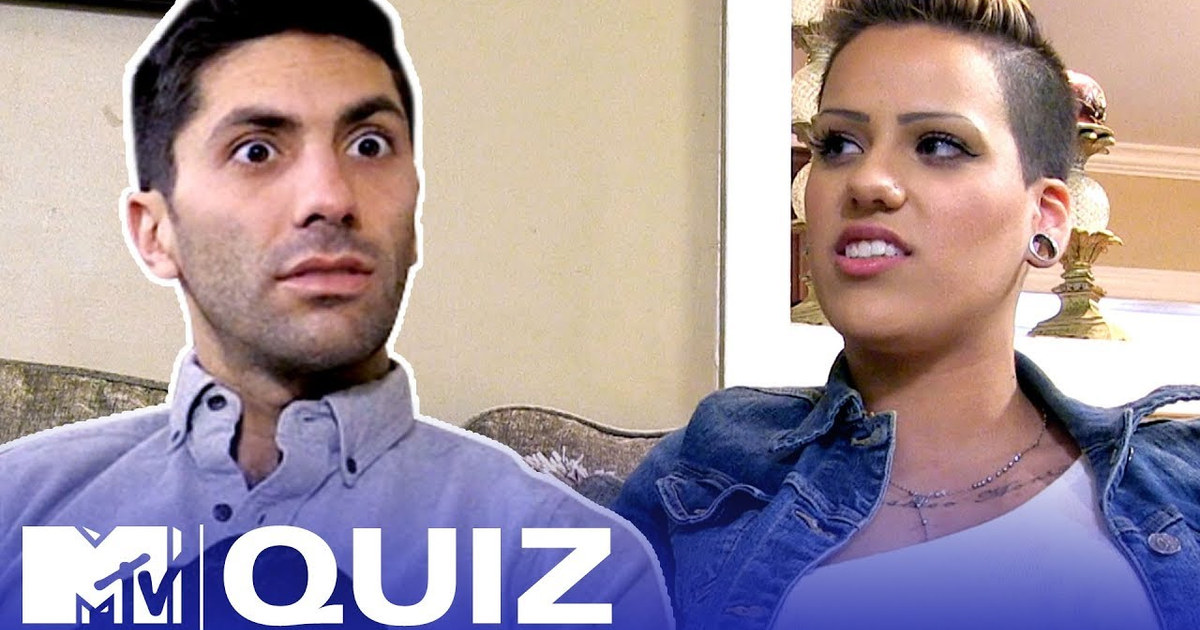
In Daisy's case, the mechanics were almost embarrassingly simple. Someone saw her number on a photo she posted. They started texting her. They used Marcus's photos and name. They never called. They never sent a face pic. They never thanked her for gifts. They just kept the fantasy alive. And it worked—until Nev and Max got involved.
But here's where it gets weird. When Daisy finally met Marcus in person, his cousin Julius was with him. That's a detail that changes everything. It suggests the catfish might have been a family member or someone close to Marcus. The phone number was on the family plan. The catfish knew enough about Marcus's life to keep the story straight. This wasn't a random stranger. This was someone inside the house.
So how do you build a catfish? You need three things: a real person's photos, a fake number, and a victim who wants to believe. The first two are easy. The third is the hard part—and the most tragic. Daisy wasn't stupid. She was lonely. She had dealt with personal tragedy. Marcus made her feel alive. That's the catfish's secret weapon: they don't create love. They just fill a hole that was already there.


