Part 1
The Door That Opened: Inside the Catfish That Fooled a Texas College Student
The knock lands on a door in Marble Falls, Texas, and the woman who answers it does not say hello. She says, "I'm scared." Three words, no preamble, no performance. It is the kind of line a novelist would kill for — the confession that arrives before the introductions do. Behind the door is a life that has been doubling back on itself for years. In front of it stands a 21-year-old pizza delivery driver from Canyon, Texas, a camera crew, and two hosts from MTV's Catfish: The TV Show, Nev Schulman and Todrick Hall. The woman is not the girl in the photographs. She never was. But that door, and those two words, are where the whole strange machine finally stops pretending.
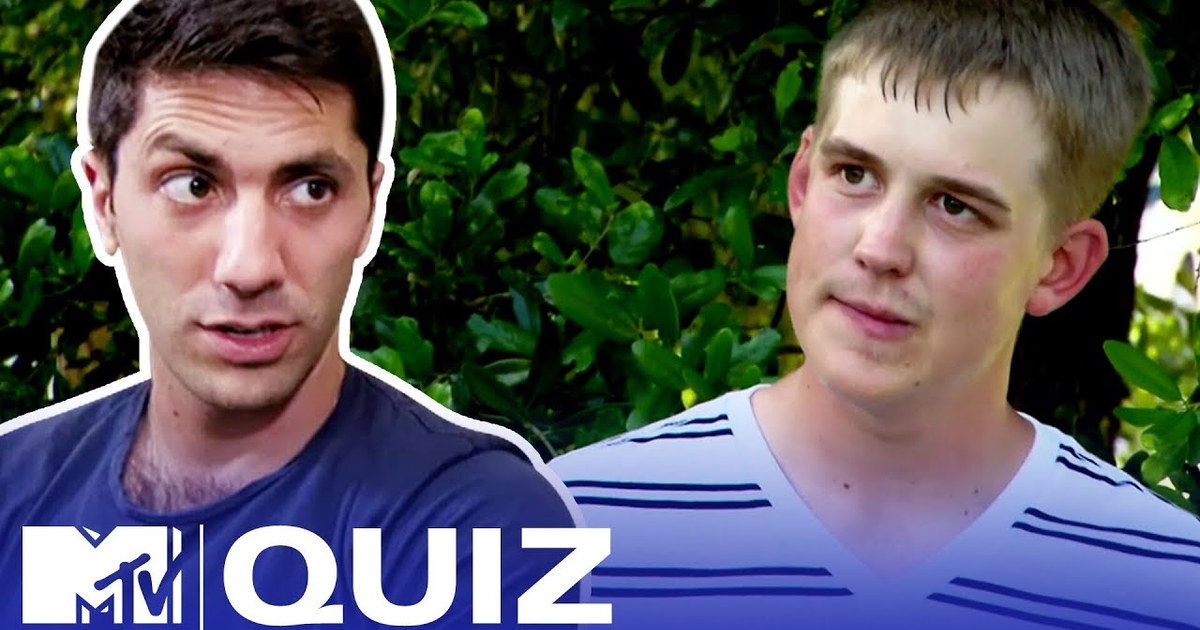
The episode aired in 2015, deep into the show's run, when Catfish had already become a kind of American ritual — the televised moment when the internet's softest lies get held up to a hard light. The series, which premiered on MTV in 2012, was built from the documentary Catfish, the 2010 film directed by Henry Joost and Ariel Schulman (Nev's brother), which ran 87 minutes and turned a Facebook romance gone sideways into a genre. Nev had been the subject of that original story. By 2015 he was the show's host and its conscience, and Todrick Hall — singer, choreographer, YouTube phenomenon — was the guest co-host for this episode. Together they sat across from Devan, who had written them a letter. He was polite, hopeful, and completely certain that the girl he loved was real.
Devan's letter is a small masterpiece of accidental confession. He met a girl named Rylan Collins on MeetMe about a year and a half earlier. She was 23, from the Austin area. They exchanged numbers and talked and texted every single day. He was her shoulder to cry on. He had asked her to come live with him while he finished college. And in all that time — eighteen months of daily intimacy — they had never once video-chatted. Not Skype, not FaceTime, not a single moving image of her face. He had sent her $100 for gas. He had sent a birthday card. She said she got the card, but that a friend had ripped it up. Devan wrote: "I do believe it is."
That line is the thesis. Not stupidity. Belief. The difference matters, because the whole genre of the catfish story collapses if you decide the victim is simply a fool. Devan is not a fool. He is a 21-year-old college student with a part-time job delivering pizza, and he is in love with a voice, a set of texts, a rhythm of good mornings and good nights. The scam does not work because he is gullible. It works because he is loyal. It works because he wants the story to be true more than he wants to be safe. And the geography is the whole engine of it: Devan in Canyon, Texas, up in the Panhandle; Rylan supposedly in the Austin area, six hours south. Six hours is close enough to promise a meeting and far enough to explain why it never happens. Every excuse lives in that gap. She was getting close and then got nervous and drove back. She didn't have the data to video-chat. She moved. The distance is not a detail. The distance is the con.
Nev and Todrick arrive with the camera crew and a very nervous Devan, and the first thing Nev does is disarm him with geography: Nev is from Plainview, Texas, about 45 minutes from Canyon. It is a small, kind move — the host becoming a neighbor before he becomes an investigator. Then the questions start, and they are gentle but relentless. You were on MeetMe and you saw her profile. You must have said, "Let me deliver you some deep dish pizza." Devan laughs. They had talked about meeting. But when she moved far away, every attempt collapsed. She would say she was getting close, then get nervous, then drive back. He gave her gas money for that. Nev stops him: "Whoa, wait a second." Hold on. You sent her how much money? A hundred. Any other times? Once in a birthday card. Did she say she got the card? Yes — but a friend ripped it up.
This is where the episode starts to feel less like a reality show and more like a short story by someone who understands how hope works. Devan had actually gone to meet her once, back when she lived closer. He knocked on the door of her aunt and uncle's house. Her uncle answered. Devan asked if Rylan was here. The uncle said no one by that name lived there. That is not a red flag. That is a red flare fired over the roof of the house. And yet Devan absorbed it, because Rylan had an explanation: her uncle just didn't know who he was. It was, Devan says, "kind of depressing." He kept going. He kept texting. He kept believing. Nev points out the obvious: in 2015, who walks around with no Facebook and only MeetMe on their phone? Devan agrees. He understands. He still says, "I do believe it is."
The show's method is almost literary. Nev and Todrick don't shout at Devan or mock him. They sit with him and let the contradictions stack up until they become a kind of architecture. Todrick suggests the classic test: ask her to send a video saying "supercalifragilisticexpialidocious." Just to make sure it's her. Devan doesn't have that concern. He is 100% positive in his heart. So they move to the search. Rylan Collins. Facebook. Not a single female Rylan shows up — Rylan is, almost exclusively, a guy's name. Then the phone number search. Copy, paste, enter. And the screen gives them a name: Cassandra. Georgetown, near Austin. Then a second search, and the results turn darker — indictments, a mug shot, an 18-year-old who took police on a stolen vehicle chase, credit or debit card abuse. Todrick gasps. Nev says the quiet part: if she's a criminal, maybe she scams people. Maybe she asks people for money to drive to see them, and then — and this could just be one of her scams.


