Part 3
The cameras will stop. The audience will go home. And Champagne and Guy will be left with whatever truth the envelope reveals. But the real question is not whether he is the father. It is whether they can ever look at each other without seeing the accusation. That is the aftermath. And that is what we will explore next.
The Aftermath: What Happens After the Cameras Stop
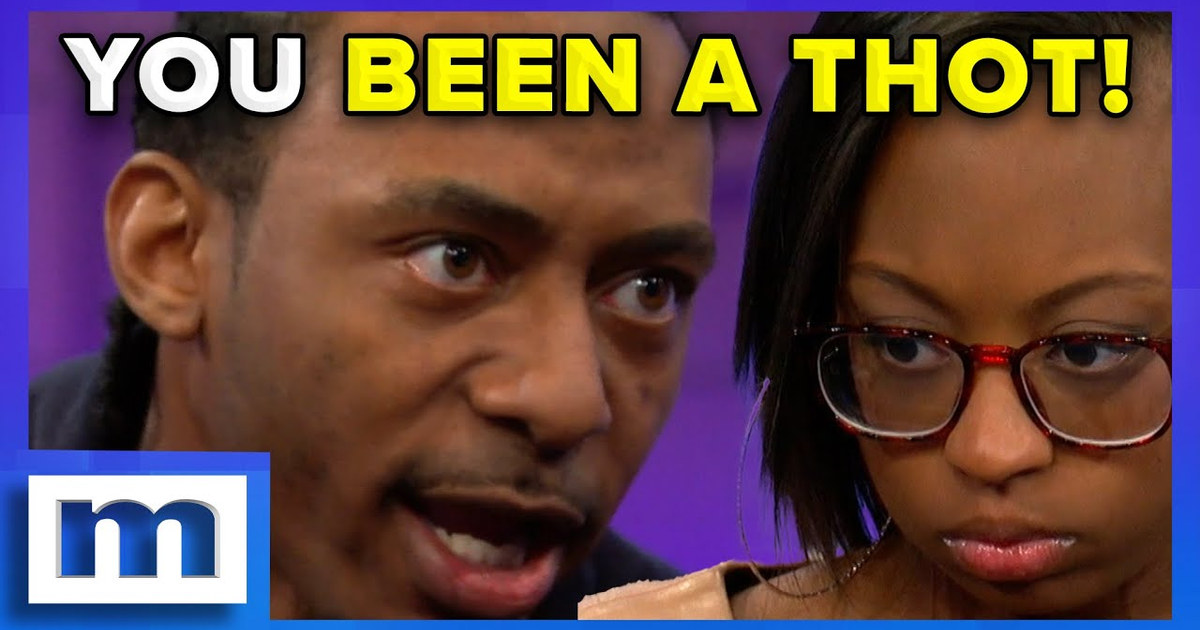
The moment Maury Povich reads the results, the studio audience braces for impact. For Champagne and Guy, the verdict was brutal: Guy is not the father of 9-month-old Kanaya. The cheers and gasps fade, but the real damage is just beginning. Champagne, already pregnant again, now faces a future with two children—one confirmed not to be Guy's, and another whose paternity is pending. Guy, reeling from the betrayal, vows never to be with her again. But he also says he'll take care of his kids—just not her. It's a raw, unfiltered look at the wreckage left behind when the lights go down.
This isn't just a one-off tragedy. It's a cycle that Maury has perfected over decades. The show often features repeat guests—people who come back season after season, chasing closure or confrontation. Critics have long accused the program of exploiting its guests, turning their pain into spectacle. Outlets like The Atlantic and Slate have questioned the ethics of parading vulnerable people on national TV for ratings. The 2019 documentary 'The Maury Show' (not to be confused with the talk show itself) explored this phenomenon, but the critiques date back even further. As early as the 1990s, media scholars warned that these shows were modern-day gladiator rings, where the audience cheers for blood.
Compare this to the aftermath of 'Jerry Springer,' another titan of daytime chaos. Many Springer guests later regretted their appearances, and some even sued the show for emotional distress. The ethical implications are staggering: these are real people with real lives, not characters in a scripted drama. When the cameras stop, they still have to navigate custody battles, broken families, and social stigma. For Champagne, that means raising two kids while the world watches. For Guy, it means grappling with the knowledge that the child he helped raise isn't his—and that he'll never fully escape the Maury spotlight.
DNA technology has come a long way since the early days of Maury. Tests that once cost thousands are now affordable and accessible. Home kits from 23andMe and AncestryDNA have made paternity testing a common part of modern life. But on Maury, DNA is not just a tool for truth—it's a theatrical device. The dramatic pause, the envelope, the audience chanting 'You are NOT the father!'—it's all part of a ritual that turns science into soap opera. And while the results are real, the emotional fallout is amplified for entertainment.
In the end, The Maury Show is a mirror of societal issues: broken families, distrust, and the search for truth. But at what cost? The guests leave with answers, but also with scars. The audience gets a thrill, then moves on. The cycle continues. What happens when the cameras stop rolling? The real lives behind the memes. That's the uncomfortable question Maury never answers—and maybe never will.


