Part 2
[[AD]]
The psychology here is not complicated. It is brutal. John Gottman, the researcher who famously predicted divorce with over 90 percent accuracy, identified trust as the foundation of any lasting partnership. When trust is shattered, Gottman says, couples enter a state of 'negative sentiment override' — where even neutral acts are read as hostile. Guy is living in that state. Every text, every glance, every night out becomes evidence. And once you are collecting evidence, you are no longer in a relationship. You are in a trial.
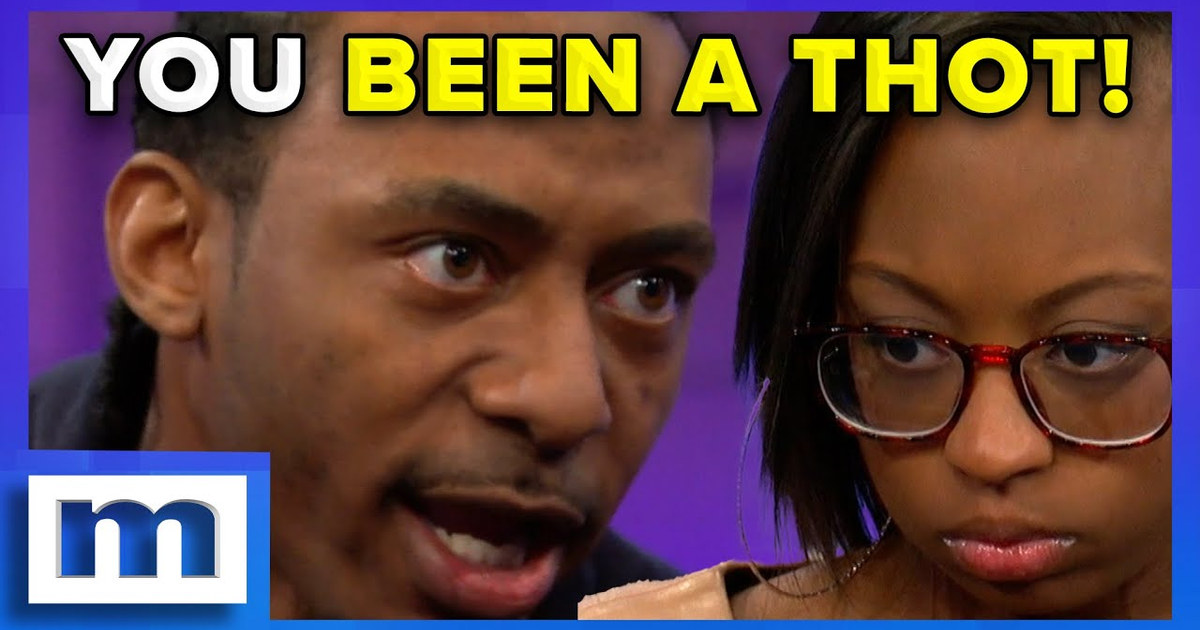
But here is the twist: Guy is not the one who put trust on trial. His brother Will did. Will is the instigator, the one who claims he saw Champagne with other men, the one who says he has receipts. In the transcript, Champagne calls him out directly: 'Will needs to mind his own damn business.' She is not wrong. Will is not just a brother. He is a narrator. He is telling Guy a story about who Champagne is, and Guy is believing it.
[[VIDEO]]
This is where the Maury stage starts to look like a Shakespearean tragedy. Think of 'The Godfather' (1972, directed by Francis Ford Coppola, 175 minutes). In that film, family loyalty is everything. But loyalty can also be a weapon. When Fredo betrays Michael, it is not just a personal wound — it is a family wound. Will is not Fredo. But he is playing a similar role: the insider who claims to know the truth, the one whose word carries weight because of blood. 'Blood is thicker than water,' Champagne says, and she means it as a curse. Because in this case, blood is the thing keeping Guy from hearing her.
Champagne's defense is messy, human, and strangely compelling. She admits she made one mistake early in the relationship. She says she did not know she was pregnant at the time. She insists the dates add up, that Guy is the only man she was with around conception. She is frustrated, tearful, and defiant. 'I know he's the father and I'm going to prove it today,' she says. But you can hear the exhaustion in her voice. She is not just fighting for a DNA result. She is fighting for the right to be believed.
And that is the performance. Guy's reluctance is a performance of wounded masculinity. Will's aggression is a performance of protective brotherhood. Champagne's tears are a performance of desperate sincerity. But the consequences are real. This is not 'Cheaters' (2000–present), where the host ambushes people in parking lots for sport. It is not 'The Bachelor' (2002–present), where doubt is engineered for drama and then forgotten by the next rose ceremony. On Maury, the doubt is the point. It is the engine. And the people on stage are not actors. They are parents.
Will's role is the most fascinating. He is not just a rumor-spreader. He is a mirror. He reflects Guy's own fears back at him, amplified. When Will says, 'You knew that's not his baby,' he is not offering evidence. He is offering permission. Permission for Guy to walk away. Permission to stop trying. And Guy takes it. He says he has seen her with other men. He says dudes have been in his inbox. He says she cannot be trusted. But when Maury asks if he wants to be the father, Guy hesitates. 'She better be mine,' he says, 'because I've been taking care of her and I'm growing attached to her.' That is not a man who wants out. That is a man who is terrified of being made a fool.
The brother as instigator is an ancient trope. In 'The Godfather,' it is Sonny who reacts with violence, but it is Tom Hagen who whispers in the ear. In 'The Godfather: Part II' (1974, also Coppola, 202 minutes), Fredo's betrayal is a family secret that festers. Will is not a mobster. But he understands the power of the whisper. He knows that if he says it enough, Guy will believe it. And he is right.
Champagne, meanwhile, is fighting a losing battle against a narrative. She can prove the DNA. She cannot prove her character. That is the cruel math of public doubt. Once you are labeled a cheater, every past act becomes suspicious. Every future act becomes a test. She says, 'I haven't been seeing nobody.' But Will says he saw her. And in the court of daytime television, the accusation is the evidence.
[[AD]]
So can a relationship survive such public doubt? The honest answer is: rarely. Gottman's research shows that contempt is the single greatest predictor of divorce. And contempt is exactly what Will displays when he calls Champagne a liar and a cheater. It is what Guy displays when he says she cannot be trusted. It is what Champagne displays when she says Will needs to mind his own business. Contempt is contagious. And once it is in the room, it is almost impossible to get out.
But there is a sliver of hope. Guy says he is growing attached to the baby. He says he wants to be the father. That is not nothing. It means the relationship might survive the DNA test. But it will not survive the doubt. Not unless Guy learns to trust Champagne again. And that is a decision no test can make for him.


