Part 1
The DNA Test as a Cultural Ritual: Why We Watch Maury
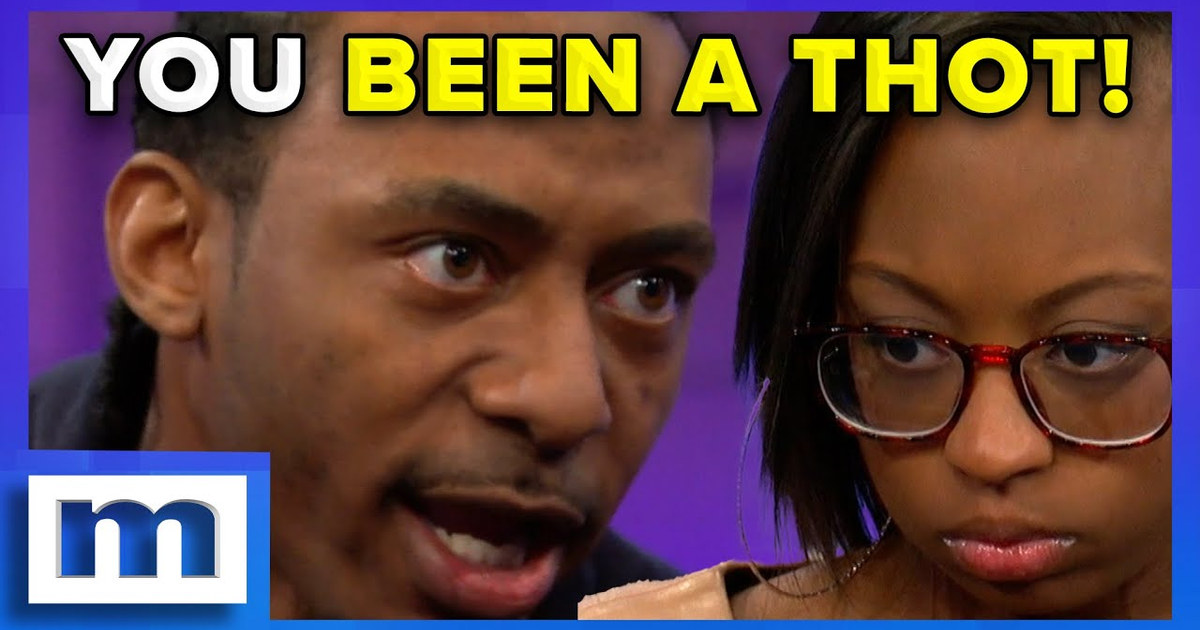
You have probably seen the clip. Maybe you’ve quoted it at a party. Guy, stone-faced, arms crossed, insists the baby doesn’t have his hazel eyes. Champagne, defiant, fires back that the dates add up. The audience gasps, cheers, and then Maury Povich delivers the line that has echoed through two decades of daytime television: “You are not the father.” The crowd erupts. Champagne runs offstage. Guy celebrates. And we, the viewers, are left with a question that cuts deeper than any paternity suit: Why can’t we look away?
The Maury Povich Show premiered in 1991, but it wasn’t until the late 1990s that DNA paternity tests became a regular segment. That timing matters. The technology became cheap, fast, and definitive. Suddenly, a talk show could offer something no other format could: scientific certainty. In a world of he-said-she-said, here was a binary answer. Yes or no. Father or not. It was reality TV before reality TV was a genre. Long before The Real World (1992) or Survivor (2000), Maury was serving up unscripted human drama with a lab report as the climax.
But why Maury? Why not Jerry Springer, whose show ran from 1991 to 2018 and often featured similar chaos? Springer’s brand was anarchy—fistfights, bleeped slurs, and a carnival of the id. Maury’s brand is narrower, almost clinical. The DNA test is the spine of the show. It’s not just about paternity; it’s about the ritual of proof. Champagne says she was only with Guy. Guy says he saw her with other men. Will, the brother, says he caught her at the movies. Everyone has a story. The DNA test is the only thing that doesn’t lie.
That’s the appeal. In a chaotic world, the DNA test offers certainty. It cuts through the lies, the rumors, the family interference. When Champagne insists “the dates add up,” she’s pleading her case with logic. But Guy needs more. He needs science. And so do we. We watch because we want the truth to be revealed, even if it destroys a family on national television. It’s a modern-day gladiator arena, complete with applause, gasps, and a host who plays both judge and therapist.
The audience is not passive. They are part of the ritual. They cheer when Maury reads the results. They boo when someone lies. They gasp when a mother runs offstage. The carnival atmosphere is not incidental; it’s essential. It transforms a private tragedy into a public spectacle. And we, the home viewers, are complicit. We tune in because we want to see the moment of truth. We want to see the mask slip. We want to see whether Champagne’s certainty holds up or crumbles.
Other shows have tried to replicate the formula. The Steve Wilkos Show, which premiered in 2007 and is still on the air, features DNA tests, but Wilkos’s background as a security guard for Jerry Springer gives it a harder, more aggressive edge. Springer himself dabbled in paternity tests, but his show was always more about the fight than the result. Maury’s genius is that he made the result the whole point. The test is the climax, the resolution, the moment of judgment. It’s a courtroom drama where the verdict is written in genetic code.
But is this entertainment or exploitation? That’s the question that lingers after the credits roll. On one hand, these are real people with real children. Kanaya, the 9-month-old baby at the center of this episode, will one day grow up and see this footage. On the other hand, the show provides a service. It resolves disputes that might otherwise drag through courts for years. It gives people like Champagne a chance to prove their truth. It gives Guy a chance to know for sure. Is that exploitation? Or is it a public service wrapped in a circus?
The answer might be both. Maury Povich didn’t invent the paternity test, but he turned it into a cultural ritual. He understood that we are drawn to the moment when uncertainty collapses into certainty. We want to see the binary. We want to see the truth, no matter how messy. And we want to see it together, in a room full of strangers, with a host who promises to tell us who the father is. It’s a ritual of proof in an age of doubt. And that’s why we can’t look away.
But the DNA test is only the beginning. What happens when the truth is revealed? How do the people involved rebuild their lives? And what does it say about us that we watch? In the next section, we’ll explore the themes of trust and betrayal that fuel these stories. Because the real drama isn’t just in the results—it’s in the relationships that hang in the balance.
Trust, Betrayal, and the Performance of Doubt
You have probably seen the trailer: Champagne weeping, Guy stonewalling, Will pointing a finger like a prosecutor. But what you are really watching is not a paternity test. It is a public autopsy of trust. And the question at the heart of it is simple: can a relationship survive when doubt becomes a spectator sport?
Champagne and Guy started as an open couple. They were seeing other people. Then they decided to be exclusive. But for Guy, that switch never fully flipped. He says she lied. He says she cannot be trusted. And once that sentence leaves his mouth, the relationship is no longer about a baby. It is about whether two people can ever rebuild what was broken.


