Part 3
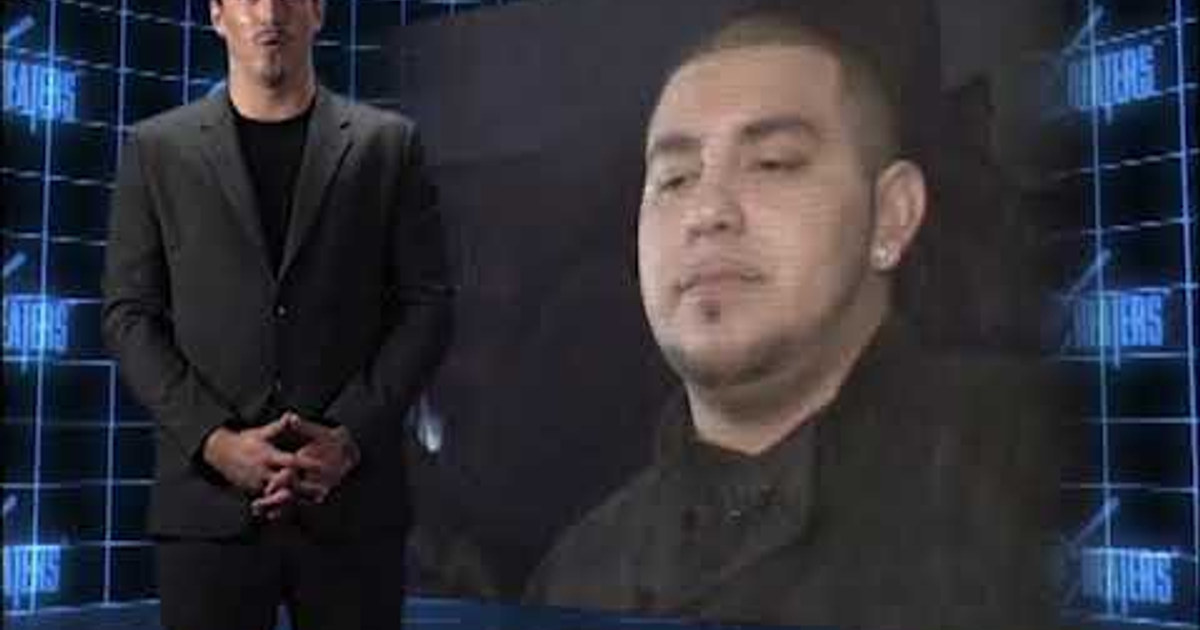
You've seen the clip. Juan Guzman storms the parking lot, voice cracking, and screams the line that launched a thousand reaction GIFs: "Get your ass up." His girlfriend is on a bench with another guy. Cameras roll. The confrontation is raw, ugly, and impossible to ignore. But what happens after the credits? That's where the real story begins.
Cheaters isn't just a show. It's a cultural grenade. And once the smoke clears, we're left with a mess of ethical questions, legal landmines, and a nagging truth about ourselves. Let's dig into the aftermath.
The Ambush: When TV Becomes a Public Spectacle
The Juan Guzman episode is a masterclass in ambush television. The setup is simple: Juan suspects his girlfriend is cheating. He hires the Cheaters detective agency. They follow her, catch her in the act, and then—surprise—Juan pops out with a camera crew. The confrontation is immediate, public, and brutal.
In the transcript, you can hear the chaos: "Get your ass up," Juan yells. "Please, faster, yeah, faster." The girlfriend's response is muffled, but the panic is palpable. Then the camera crew closes in. "Ladies, get out of my face," someone shouts. "Now you're a comedian. That's what you deserve." It's a public shaming, broadcast to millions.
[[AD]]
Is this justice? Or is it exploitation? The line blurs when you realize that Cheaters pays its subjects. According to a 2013 BuzzFeed article, participants receive a small stipend—often around $500—for appearing on the show. That's not much for a life-altering humiliation. But for some, it's worth it to catch a cheater red-handed.
The ethics get murkier when you consider consent. The cheating partner never agrees to be filmed. They're ambushed. Their privacy is violated. And yet, they signed no release form. In most states, that's a lawsuit waiting to happen. But Cheaters has been on the air since 2000, so they must be doing something right—or something very, very careful.
The Legal Tightrope: Lawsuits, Murder, and Controversy
Cheaters has faced its share of legal troubles. In 2003, a man named William Rice appeared on the show to confront his girlfriend. After the episode aired, he was murdered. The case made national headlines and raised questions about the show's responsibility. Did Cheaters put him in danger? The lawsuit that followed was settled out of court, but the stain remains.
Then there's the issue of privacy. In 2004, a Texas man sued Cheaters for invasion of privacy after he was filmed without consent. The case was dismissed, but it highlighted the show's shaky legal ground. How do they get away with it? The answer is simple: they film in public spaces, where there's no reasonable expectation of privacy. And they blur faces when necessary. But the emotional damage is done.
Other controversies have plagued the show. In 2011, a former producer claimed that some confrontations were staged. The show denied it, but the damage to its credibility was done. And in 2016, a woman sued Cheaters after her episode aired, claiming she was falsely portrayed as a cheater. The case was settled, but it's clear that the show plays fast and loose with people's lives.
The Legacy: Parodies, Influence, and a Cult Following
Despite the controversy, Cheaters has left an indelible mark on pop culture. It's been parodied on Saturday Night Live, where Bill Hader did a spot-on impression of host Clark Gable. Chappelle's Show took aim with a sketch called "The Real World: Cheaters," which mocked the show's formula. And Jerry Springer? He paved the way, but Cheaters took it to the next level with hidden cameras and detective work.
The show's influence extends to other reality series. Maury Povich's paternity tests and lie detector episodes owe a debt to Cheaters. Shows like Temptation Island and Love Island thrive on the same voyeuristic thrill. But Cheaters was the first to make infidelity a spectator sport.
Today, Cheaters lives on through streaming. You can find episodes on Tubi, Pluto TV, and YouTube. The show has a dedicated cult following, with fans dissecting episodes on Reddit and TikTok. The Juan Guzman episode, in particular, has become a meme goldmine. The "Get your ass up" line is immortalized in GIFs and reaction videos.
Why We Watch: Schadenfreude, Catharsis, and the Quest for Justice
So why do we watch? The answer is complicated. Part of it is schadenfreude—the pleasure we take in others' misfortune. A 2013 study in the Journal of Media Psychology found that viewers of reality TV often experience a mix of empathy and satisfaction when watching confrontations. We feel for the victim, but we also enjoy the drama.
Another factor is catharsis. Watching someone else's relationship implode can be oddly therapeutic. It makes our own problems seem smaller. And then there's the quest for justice. In a world where cheaters often get away with it, Cheaters offers a fantasy: the wronged party gets to confront the betrayer, cameras rolling, and the audience gets to cheer.
But is it real justice? Or just revenge? The line is thin. Psychologists call it "vicarious retribution"—the satisfaction we feel when someone else delivers the punishment we wish we could. It's why we root for Juan Guzman, even as we cringe at his pain.
The Mirror We Can't Look Away From
Cheaters is a mirror held up to our worst impulses—and we keep watching. It's a show that exploits pain, violates privacy, and sometimes crosses the line into dangerous territory. But it also taps into something universal: the fear of betrayal, the desire for justice, and the need to feel like we're not alone in our heartbreak.
The Juan Guzman episode is a perfect example. It's chaotic, cringeworthy, and undeniably compelling. We watch because we see ourselves in Juan—or in his girlfriend. We watch because we want to believe that cheaters get what they deserve. And we watch because, deep down, we can't resist a train wreck.
Next time, we'll dive into the most shocking Cheaters confrontations ever aired. From fistfights to car chases, we'll break down the moments that made us gasp, laugh, and maybe even cry. You won't want to miss it.


