Part 5
From a craft perspective, this is world-class branding. The voiceover is the show’s version of a network ID. It’s the same reason Law & Order has that “dun dun” and The Twilight Zone had Rod Serling. Repetition builds familiarity, and familiarity builds trust — even when the content is ethically murky. The narrator’s tone is calm, almost clinical, which makes the inevitable explosion feel more shocking. It’s the audio equivalent of a steady camera that suddenly whips around.
Peter Panky and the Art of the Host Introduction
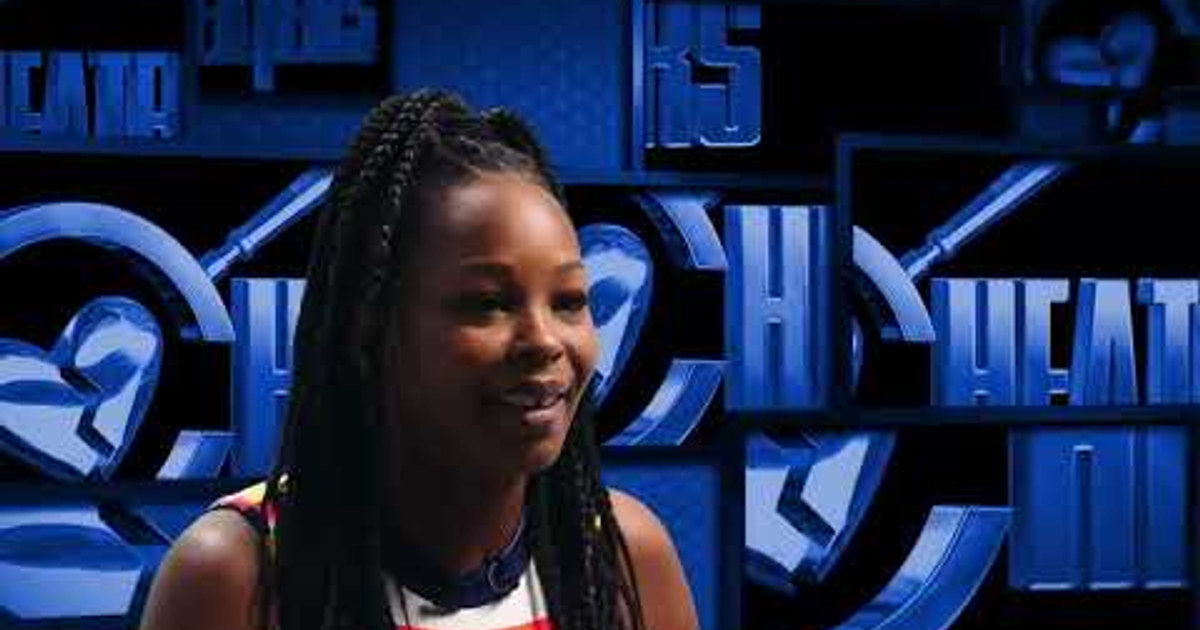
Then we get Peter Panky — “What up, world? It’s your boy Peter Panky.” That’s not just a host; that’s a tone-setter. Panky’s introduction is pure hype, a deliberate contrast to the somber voiceover that preceded it. He’s the hype man for a tragedy. He introduces Jay Goodwin, “a wife who feels her husband is doing her dirty,” and tells us she “hires cheaters to find the answers she so desperately deserves.” Notice the language: “desperately deserves.” It’s already taking a side. The host isn’t neutral; he’s a prosecutor, a narrator, and a fan all at once.
Compare that to the hosts of Big Brother (2000–present), who are mostly neutral moderators, or the detached narration of Wild Wild Country (2018), where the directors let the subjects hang themselves with their own words. Cheaters does the opposite. It tells you exactly how to feel, then dares you to disagree. That’s not a bug; it’s a feature. It’s the same technique used in tabloid newsmagazines like A Current Affair, but refined into a science.
The Surveillance Footage: Pacing Raw Reality
Here’s where the engineering gets really interesting. Surveillance footage is boring. It’s long, static, and often unusable. But the editors on Cheaters have to turn hours of a parked car doing nothing into a tense sequence. They do it with three tools: compression, music, and voiceover.
First, compression. The transcript gives us a masterclass: “Hours into the investigation, PI spots suspect Jerick Goodwin exiting their home.” Hours become seconds. The edit jumps from the client’s interview to the PI’s stakeout to the target’s departure. We don’t see the waiting; we see the payoff. That’s not cheating — that’s storytelling. Documentary filmmakers like Errol Morris in The Thin Blue Line (1988) use reenactments and stylized edits to bridge the gap between raw evidence and narrative. Cheaters does the same thing, just with a smaller budget and a lot more yelling.
Second, music. The transcript notes “[Music]” right after Panky’s intro. That music is doing heavy lifting. It tells you when to feel suspense, when to feel sadness, when to feel outrage. In the hands of a lesser show, the music would be generic stock cues. But Cheaters uses music to underline the emotional beats of the surveillance footage — a slow build as the target leaves the house, a swell as he picks up the unknown female, a sting as they arrive at the park. It’s the same technique used in reality competition shows like Survivor (2000–present), where the score manipulates your pulse without you noticing.
Third, voiceover. The narrator describes the action in real time, but with a vocabulary that belongs in a Victorian novel. “The festuned fellow trapes to his truck.” “The clandestine couple loafs lacadasically inside.” “Agents capture footage of the pair hobnobbing in front of the Disneyesque playset.” This is not how anyone talks. It’s how someone writes when they want to make a boring parking lot feel like a Shakespearean betrayal. The words “Disneyesque playset” and “Cinderella home before the magic ends” are not accidental. They’re fairy-tale references that frame the affair as a twisted nursery rhyme. The craft here is in the contrast: the visuals are grimy, but the language is ornate. That dissonance keeps you watching.
The Production Pipeline: From PI to Editor to Broadcast
Let’s map the pipeline. A client like Jay Goodwin contacts Cheaters. The show hires private investigators — the transcript calls them “Chad’s detectives,” likely a reference to the show’s founder, Bobby Goldstein, or a specific PI firm. These PIs set up a perimeter, follow the target, and capture footage. That footage is raw, unscripted, and often unusable. Then the editors get it.
The editors have to find a story. They look for moments of betrayal: the pickup at the bus stop, the embrace at the park, the “lengthy, loving embrace” that seals the narrative. They cut these moments together with the client’s interview, the host’s narration, and the voiceover’s moralizing. The result is a coherent narrative that feels inevitable. But it’s not inevitable — it’s constructed. The same way a documentary editor like Kim Roberts (who cut Wild Wild Country) shapes hours of interview and archival footage into a six-part series, the Cheaters editors shape hours of surveillance into a 22-minute episode.
The difference is transparency. Wild Wild Country (2018) shows you the archival footage and lets you draw your own conclusions. Cheaters tells you what to think. But that doesn’t mean the craft is lesser. It’s just a different genre. Reality TV like Big Brother (2000–present) also constructs narratives from surveillance footage — the live feeds are edited into episodes with confessionals, music, and host commentary. Cheaters is the pulp paperback version of that same engineering.
The Host as Narrator: Peter Panky’s Dramatic Reading
Peter Panky isn’t just a host; he’s a narrator. His lines are written to be performed, not just spoken. “We got a fire episode of Cheaters tonight.” “Trusting her instincts, Jay hires cheaters to find the answers she so desperately deserves.” He’s selling the story. And his delivery — energetic, slightly conspiratorial — makes you feel like you’re in on a secret. That’s a craft choice. Compare it to the deadpan narration of The Jinx (2015), where Andrew Jarecki lets Robert Durst’s own words indict him. Panky’s narration is the opposite: it’s all about telling you how to feel. But both approaches are valid. One is ice, one is fire. Cheaters is fire.


