Part 3
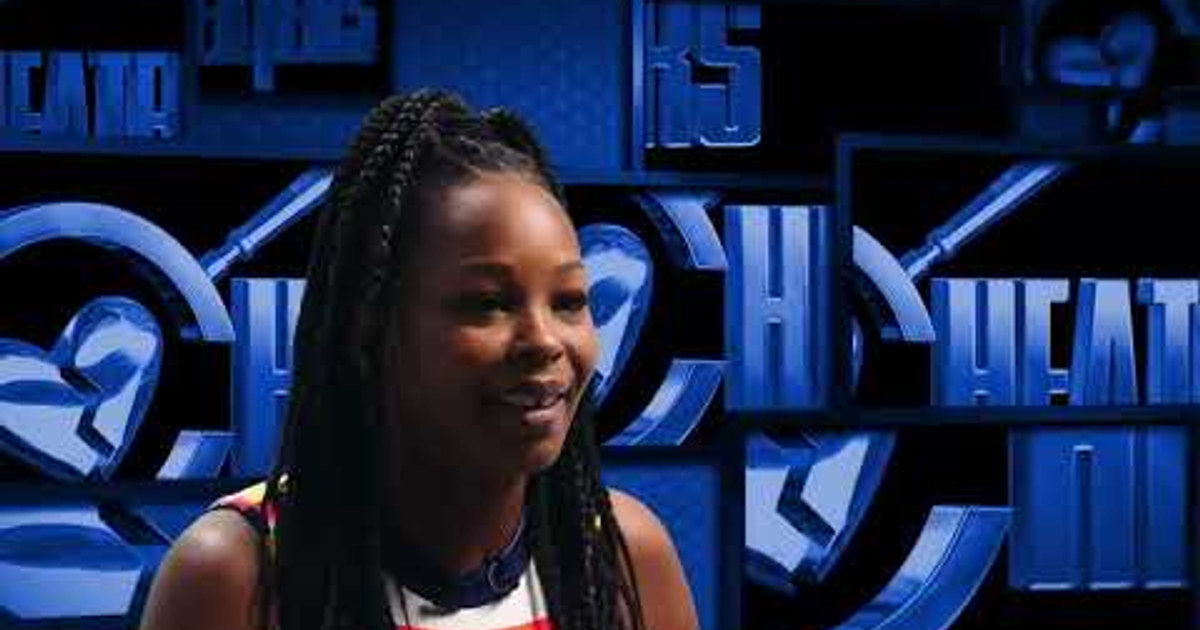
Host Peter Panky kicks things off with his signature energy: 'What up, world? It's your boy Peter Panky. We got a fire episode of Cheaters tonight.' He's not just a host; he's the audience's surrogate, guiding us through the emotional minefield. His introduction of Jay Goodwin—'A wife who feels her husband is doing her dirty'—immediately frames the narrative as a quest for truth. Jay's decision to hire Cheaters is presented as a logical step: 'Trusting her instincts, Jay hires cheaters to find the answers she so desperately deserves.'
This setup is pure genre. It's the inciting incident, the call to adventure. But it's also craft: the editing, the music, the pacing—all designed to hook you in the first 60 seconds. The repetition of 'you are about to view actual true stories filmed live' is a hypnotic mantra, reinforcing authenticity. It's a technique borrowed from reality TV pioneers like Cops (1989–present), which used similar voiceover and handheld footage to create immediacy.
Jay's testimonial adds emotional weight: 'I fell in love with Jerick. He'll see my body language and get it. Like if I'm having a bad day, he'll get me flowers or if he know my day was long, he'll rub my bag. The little things count all the time. And I needed that at the moment in my life. I needed him.' This isn't just exposition; it's character development. We understand why she's invested, why the betrayal cuts deep. The show uses these intimate details to build empathy, a staple of the genre.
[[AD]]
Then the suspicion: 'What started me suspecting something was going on? We're not communicating like we used to. He tells me everything. Well, used to tell me everything. Now I can't get a straight answer.' This is the classic turning point. It's the moment the narrative shifts from domestic bliss to detective story. The genre demands a catalyst, and here it's communication breakdown. It's relatable, it's real, and it's the engine that drives the plot.
Enter the investigation. The voiceover—delivered with deadpan precision—introduces Jerick Goodwin, age 36, 'a store manager accused of performing price checks on other women's inventory.' That line is a perfect example of the show's tone: playful, punny, and slightly sleazy. It's genre candy. But look at the craft: the alliteration, the euphemism, the way it undercuts the seriousness. It's designed to make you smirk while also raising the stakes.
The detectives set a perimeter around the home Jerick shares with his wife, Jay. Hours pass. Then the PI spots Jerick exiting. 'The festuned fellow trapes to his truck before accelerating away.' The language is deliberately florid—'festuned,' 'trapes'—almost Dickensian. It's a stylistic choice that adds a layer of absurdity to the surveillance. Compare this to Cops, where the narration is straightforward and urgent. Cheaters leans into camp, and that's part of its appeal.
Jerick drives to a bus stop and picks up an unknown female. 'After making the transfer, the tusome arrives at their next stop, a public park.' The use of 'tusome'—a made-up word?—is another example of the show's playful language. It's almost like the writers are having fun with a thesaurus. But beneath the wordplay, the narrative is tightening. We have evidence: the pickup, the park, the public display of affection.
The park scene is crucial. 'Suspect Goodwin politely opens the door for his companion, and the clandestine couple loafs lacadasically inside.' Again, the language is ornate: 'clandestine,' 'loafs lacadasically.' It's a stark contrast to the raw emotions we'll see later. The craft here is in the juxtaposition: the poetic narration versus the gritty reality. It's a technique used in true crime docs like The Jinx (2015), where stylized storytelling heightens the impact.
Agents capture footage of the pair 'hobnobbing in front of the Disneyesque playset.' The word 'Disneyesque' is telling—it suggests innocence, childhood, a stark contrast to the adultery. 'The couple shares a lengthy, loving embrace, then exits to get Cinderella home before the magic ends.' This is pure narrative construction. The embrace is the evidence, but the framing—'Cinderella,' 'magic'—turns it into a twisted fairy tale. It's genre craft at its finest: using cultural touchstones to evoke emotion.
Jay's voiceover interjects: 'He always told me exactly where he was going. Phone call in the shower. Whatever. Babe, I'm going here. I'm...' The transcript cuts off, but the implication is clear: he lied. This is the emotional core. The show doesn't just show us the cheating; it shows us the betrayal of trust. It's the payoff that keeps viewers coming back.
Now, let's talk about the confrontation. In this episode, it's implied but not shown in the transcript. That's a key part of the formula. The confrontation is the climax, the moment of reckoning. In Cheaters, it often involves the host, Peter Panky, ambushing the cheater with cameras rolling. It's confrontational, messy, and deeply uncomfortable. But it's also cathartic. For the genre fan, it's the money shot. For the craft enthusiast, it's a study in tension and release.
The narrative arc is classic: suspicion (Jay's instincts), evidence (PI footage), confrontation (implied), resolution (emotional fallout). This structure is borrowed from scripted drama, but applied to reality. It's the same three-act structure you'd find in a film like Double Indemnity (1944, Billy Wilder, 107 minutes) or Fatal Attraction (1987, Adrian Lyne, 119 minutes). The difference is that here, the stakes are real—or at least presented as real.


